
Zones
Large waiting room and separate reception zones
Separate areas for dogs and cats reduce stress before the examination.
Standards cannot be upheld without the right facilities. Our 600 m² were designed around the patient's path: from separate reception zones, through the operating suite, to the in-patient hospital with monitoring. Each item has its own page.
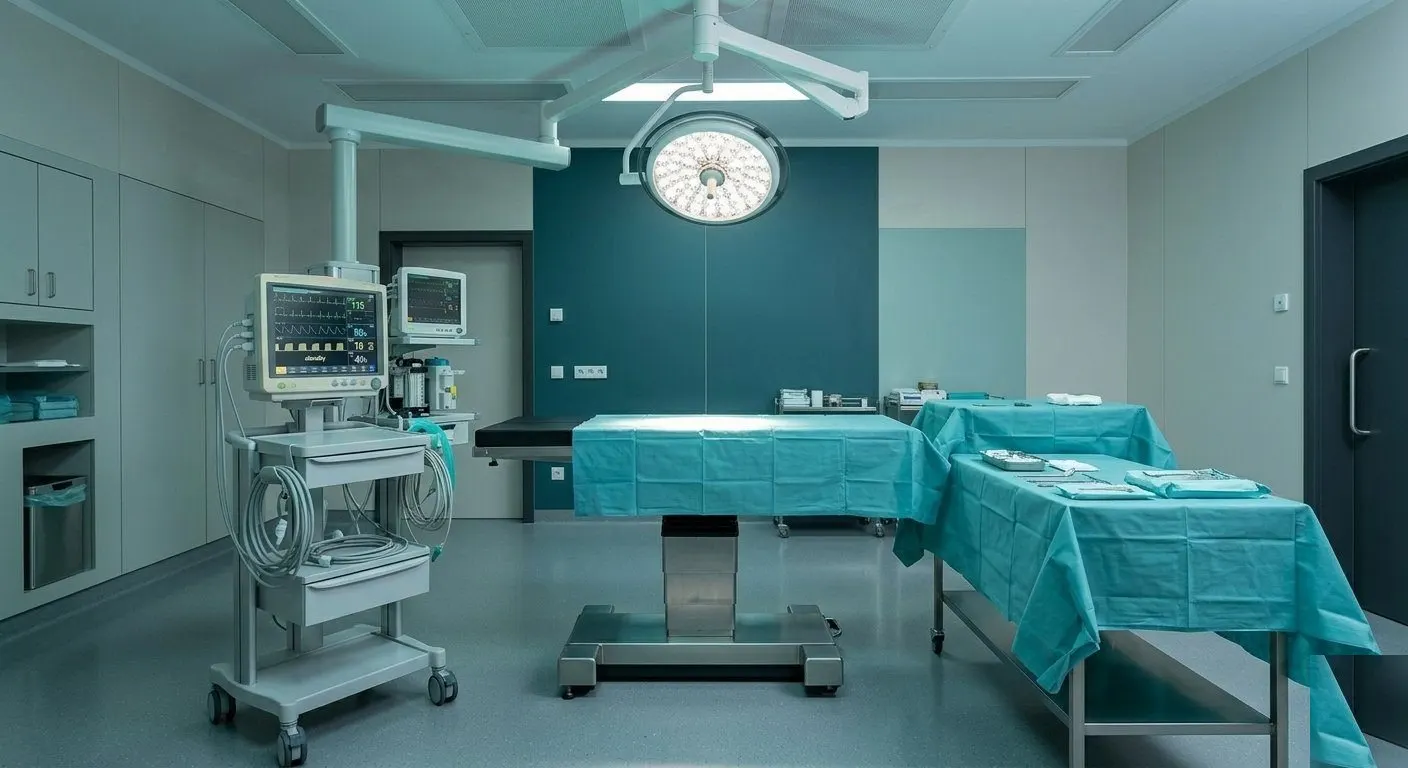 Operating theatre · anaesthesia station
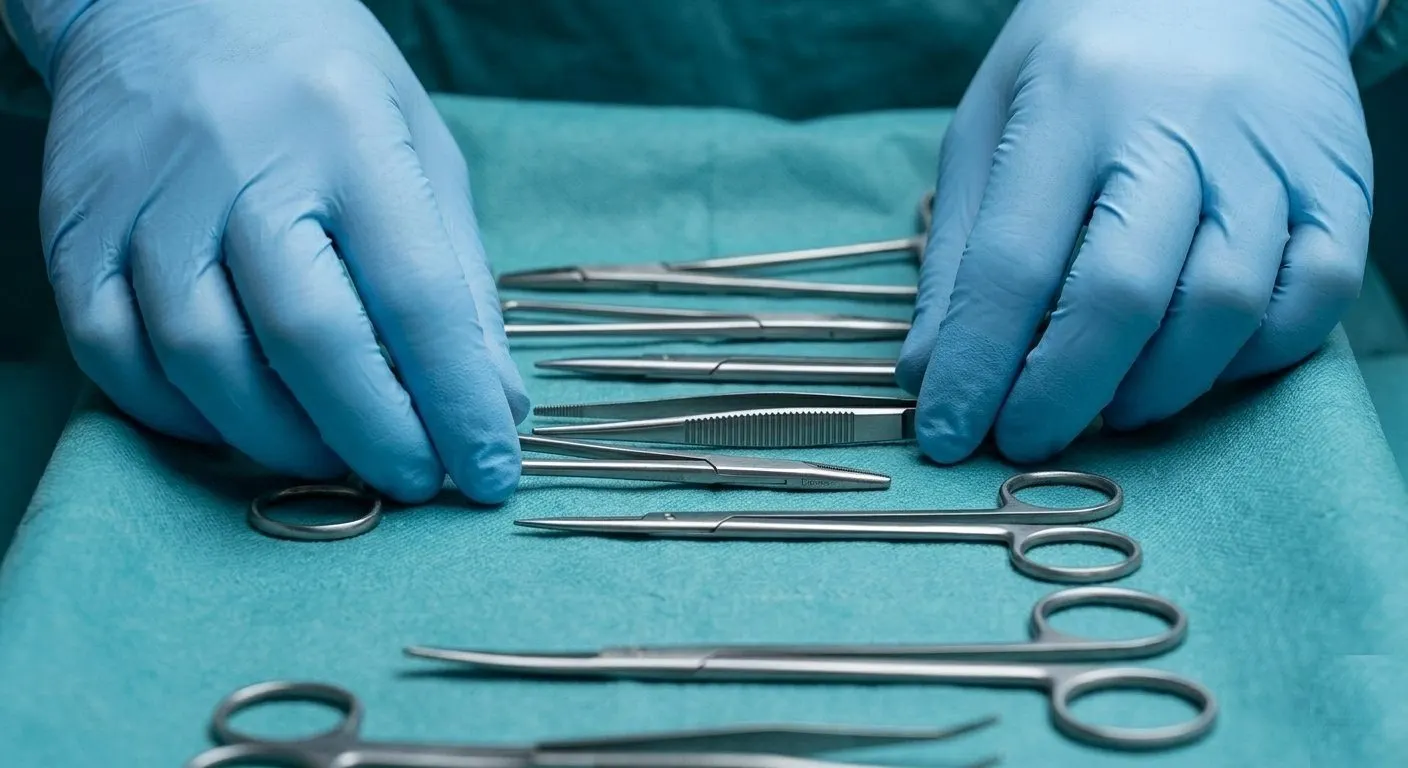 Operating suite · instruments prepared per the checklist
Separate areas for dogs and cats limit stress before the examination — before the patient reaches the consulting room.
The anaesthesia station and instruments are selected according to a checklist — the same one for every procedure.
Hospitalisation without added stress — an area for cats separated from the dogs, with observation recorded on an observation chart.
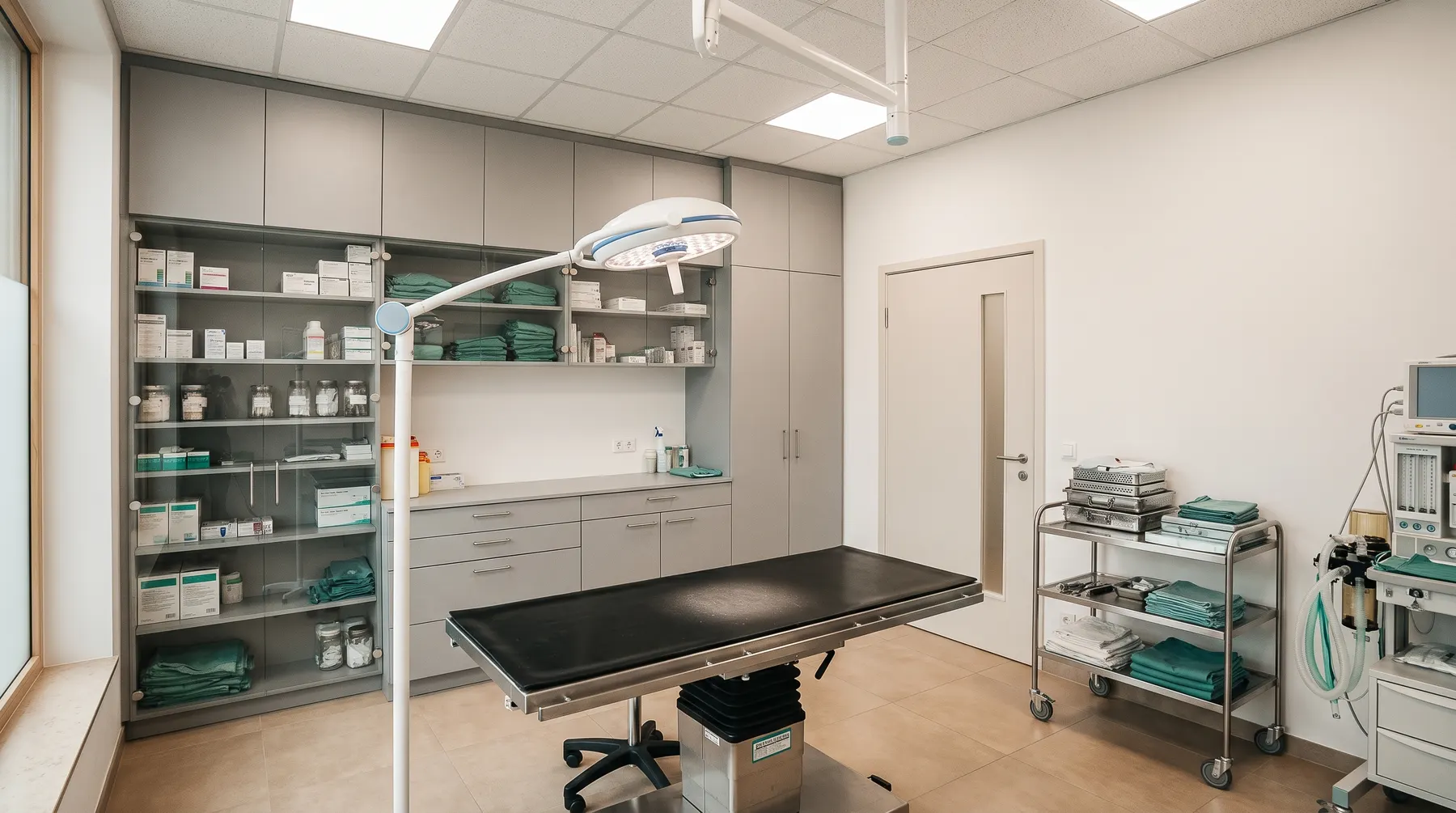 Operating suite
Two theatres with separate purposes: clean surgery and all other procedures. Each has a full anaesthesia station.
What this means for the patient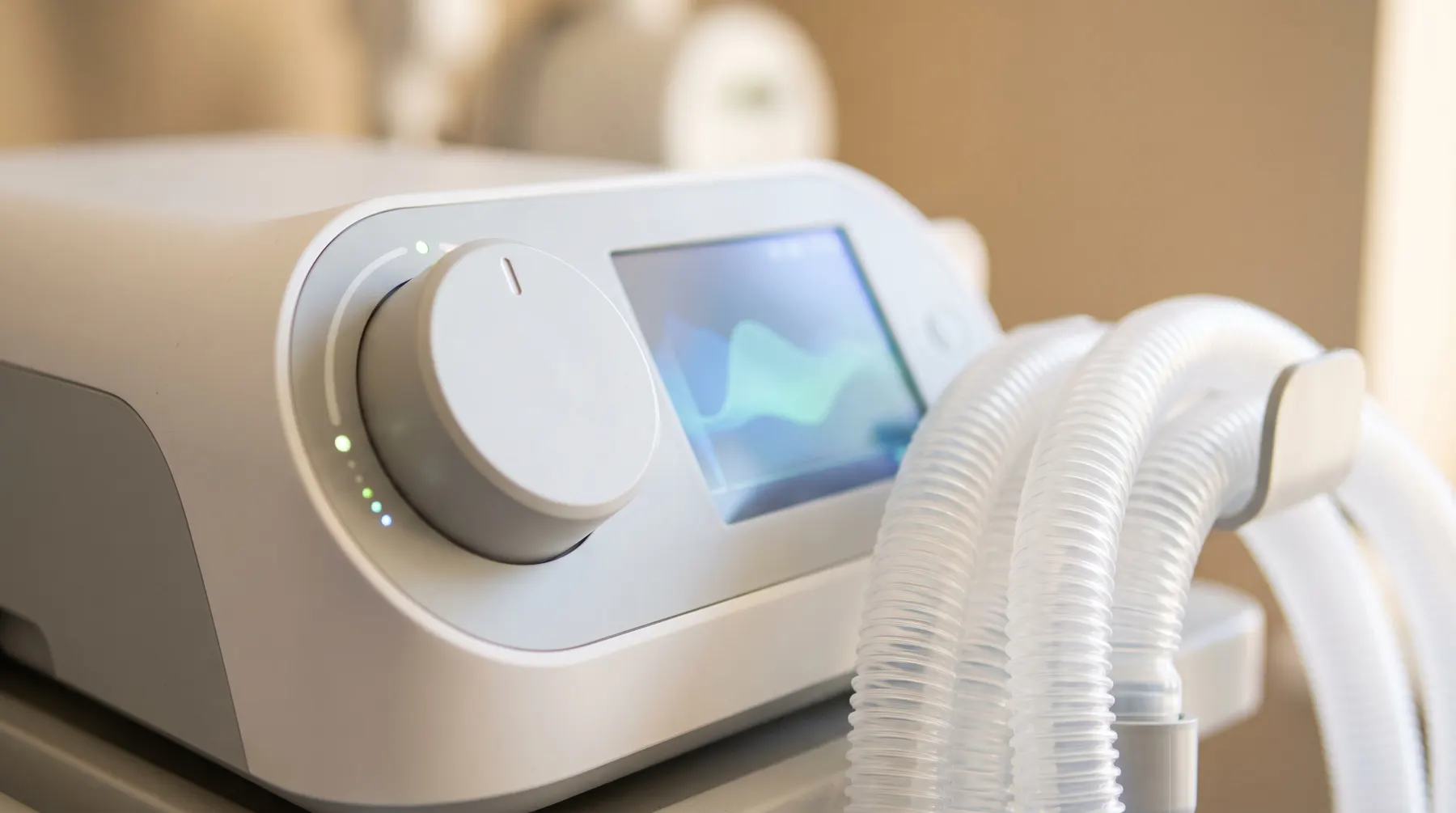 Anaesthesiology
An inhalation anaesthesia machine with a ventilator and a vital signs monitor: ECG, saturation, capnography, blood pressure, temperature.
What this means for the patient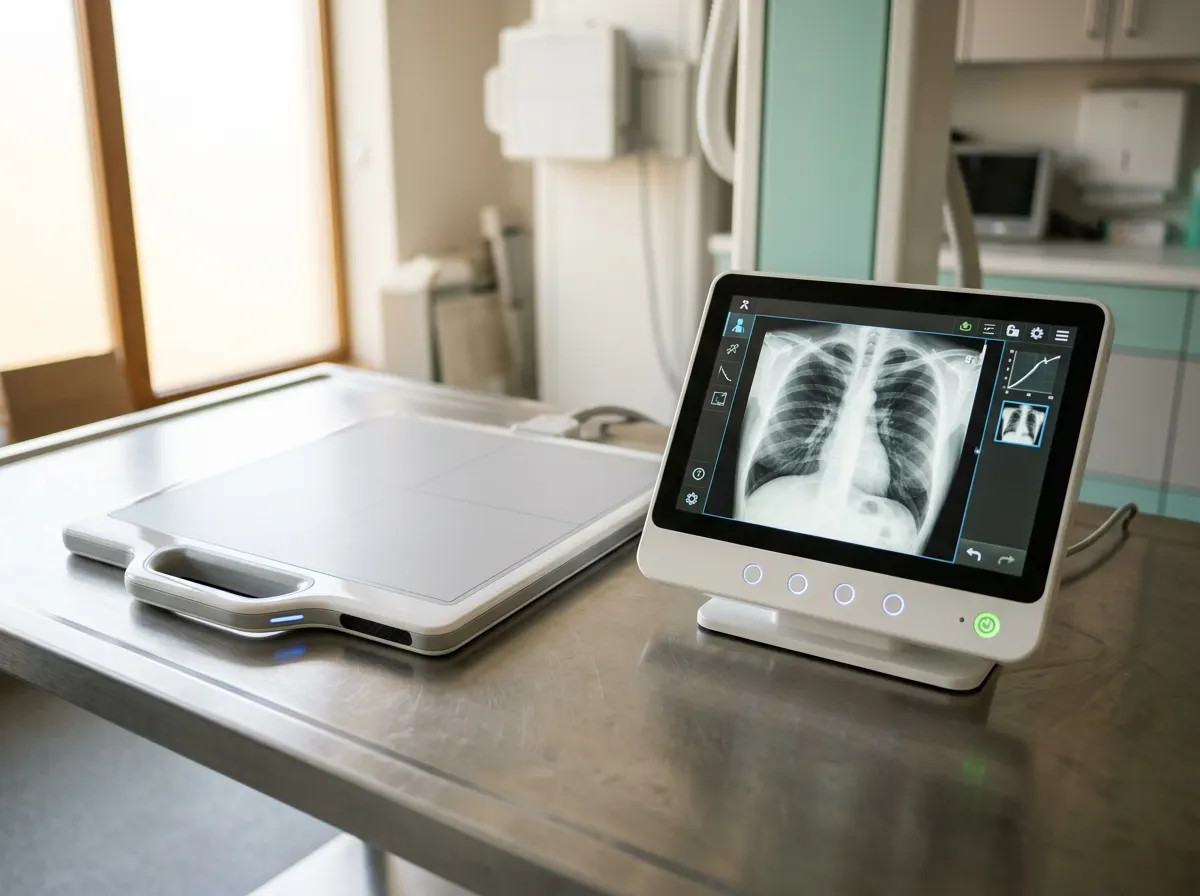 Imaging
A digital X-ray unit — the image is ready in a dozen or so seconds, with no film processing, and can be processed digitally and sent to the referring veterinarian.
What this means for the patient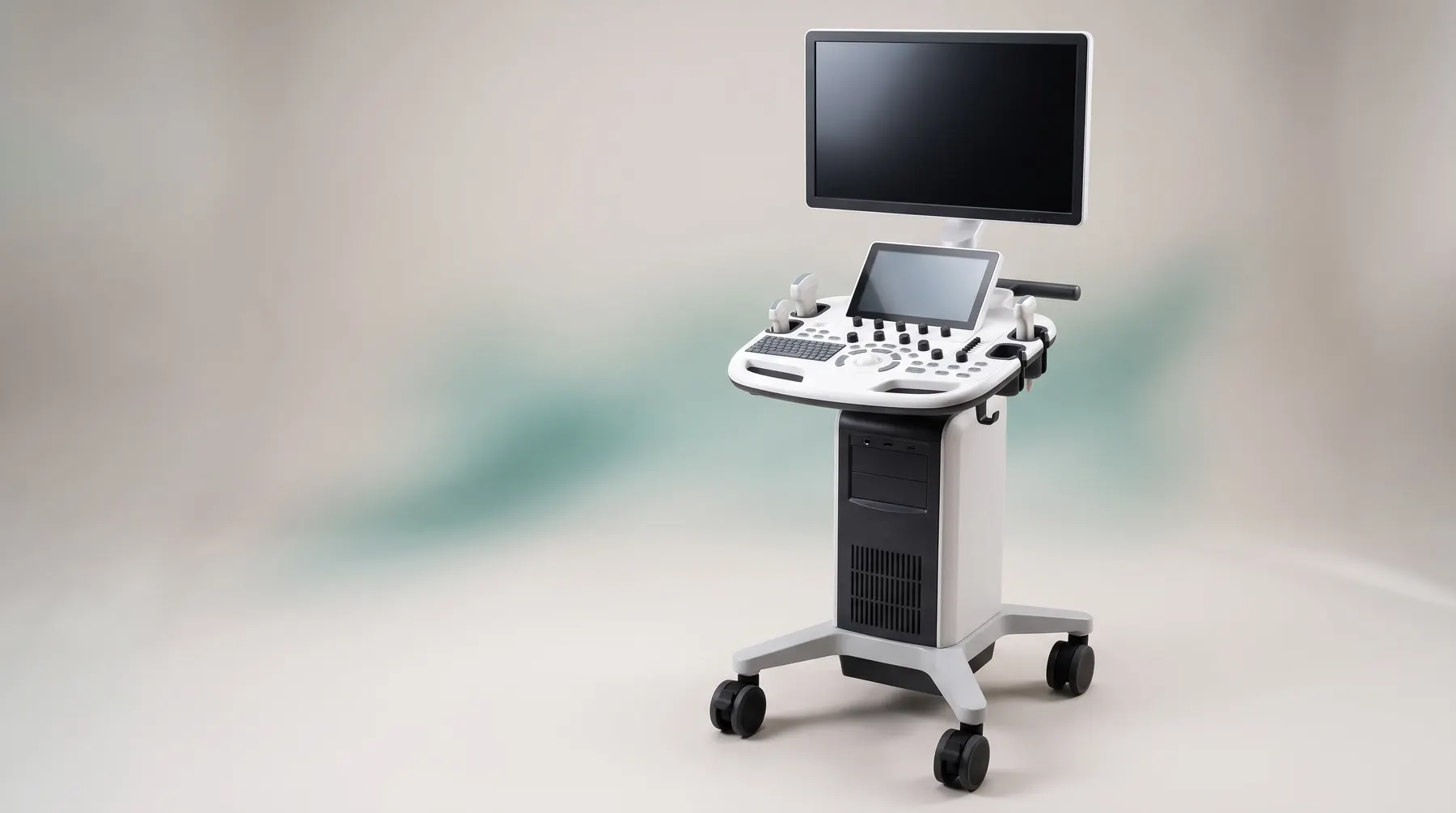 Imaging
An ultrasound machine with probes for examining the abdomen, chest, heart (echocardiography) and superficial tissues.
What this means for the patient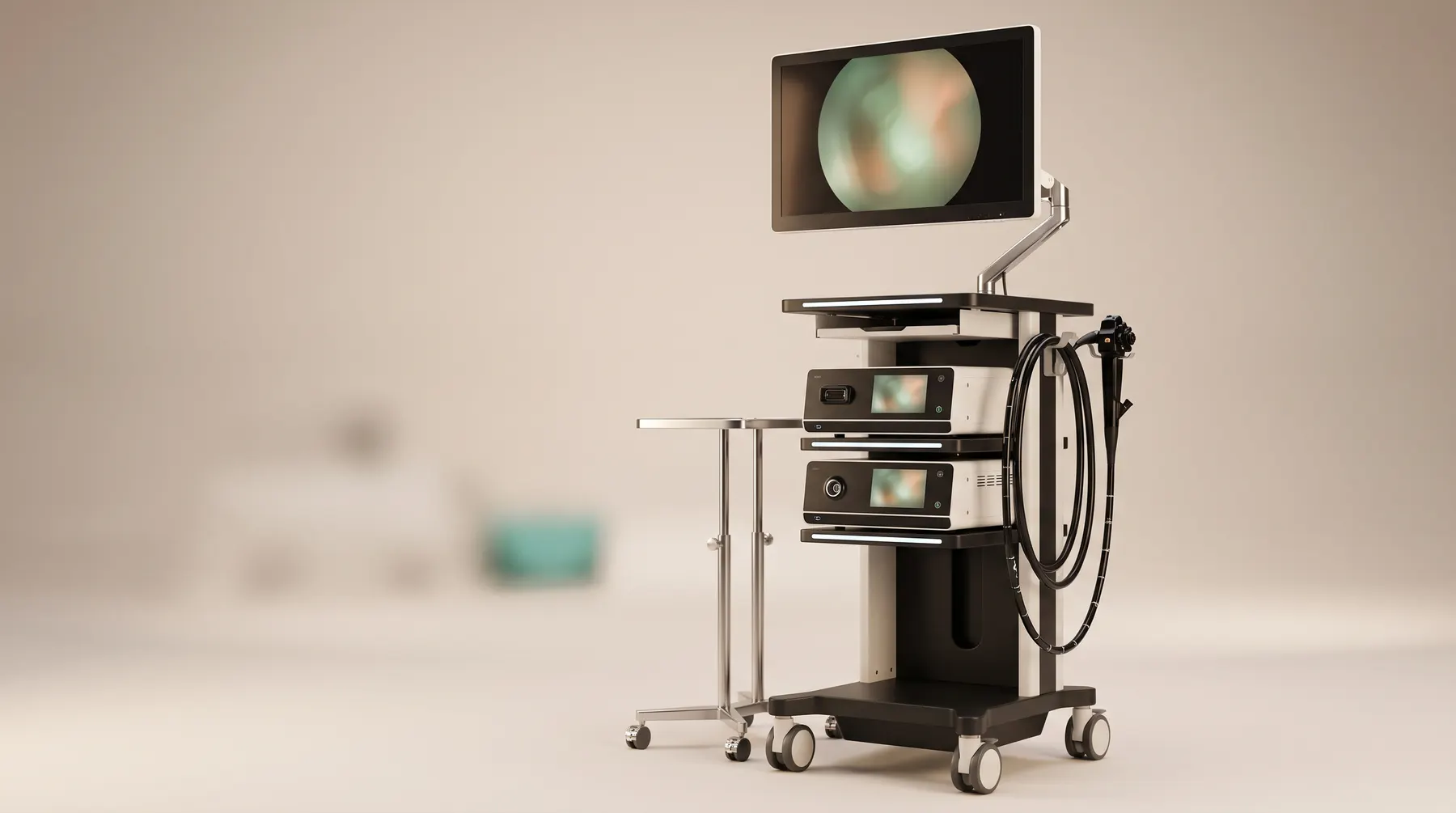 Endoscopy
A flexible video endoscope for examining the digestive and respiratory tracts, and a set of instruments for taking biopsies and removing foreign bodies.
What this means for the patient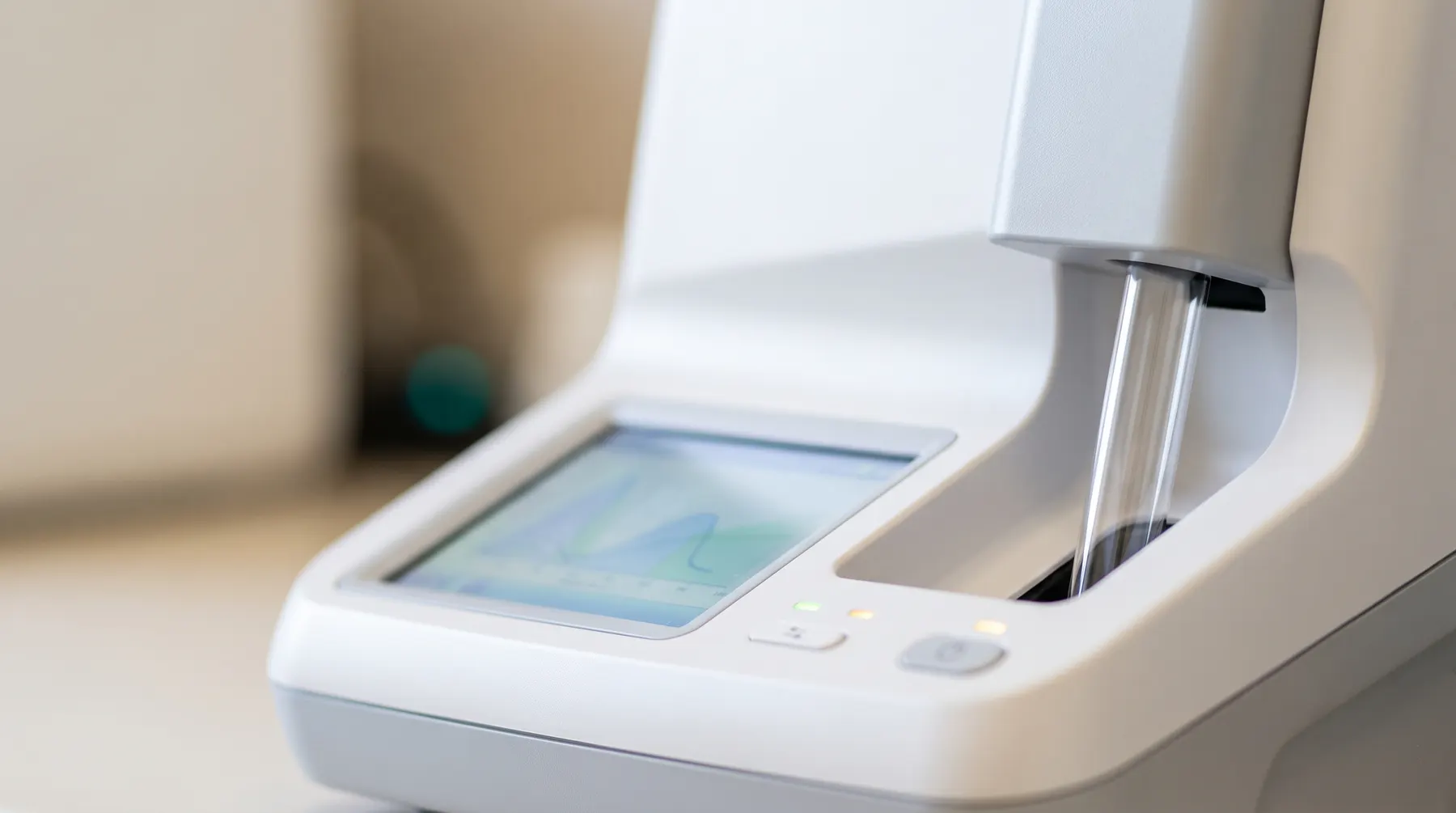 Laboratory
Haematology and biochemistry analysers, urinalysis, a microscope for cytology — critical values are available within minutes.
What this means for the patient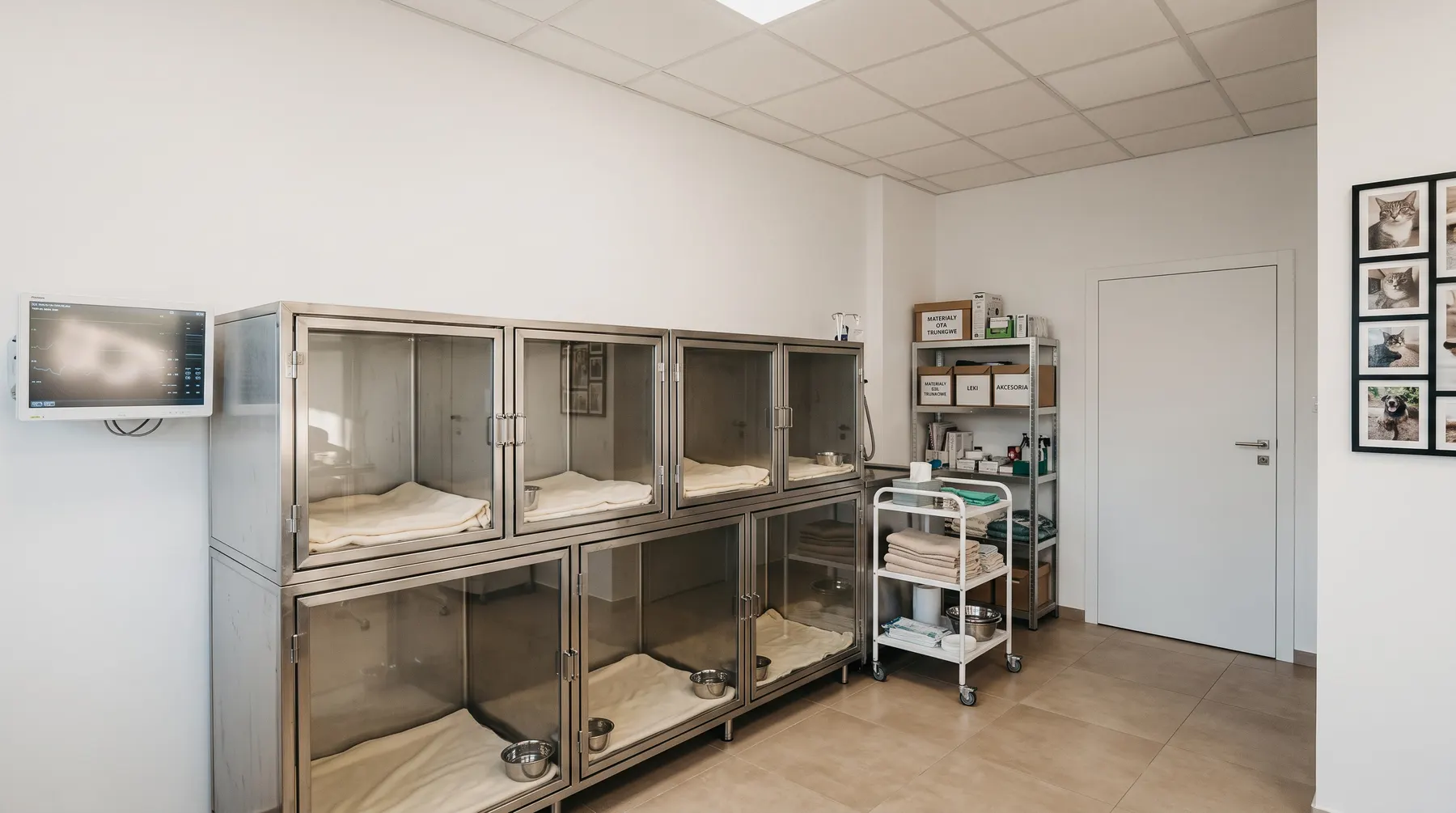 Hospitalisation
Separate stations for dogs and cats, infusion pumps, oxygen therapy, an observation chart with parameters at fixed intervals.
What this means for the patient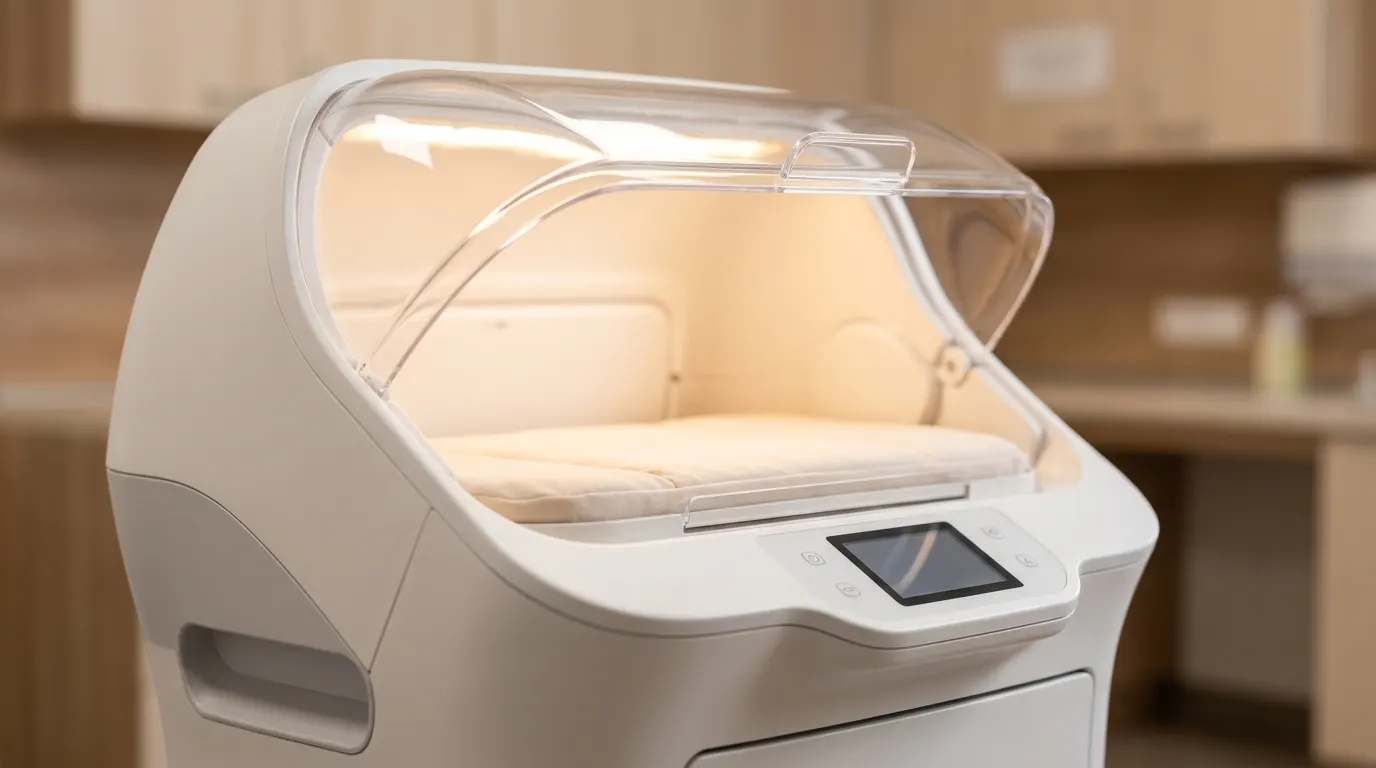 Hospitalisation
A chamber with controlled temperature, humidity and oxygen supply for newborns, patients with hypothermia and patients in a serious condition.
What this means for the patient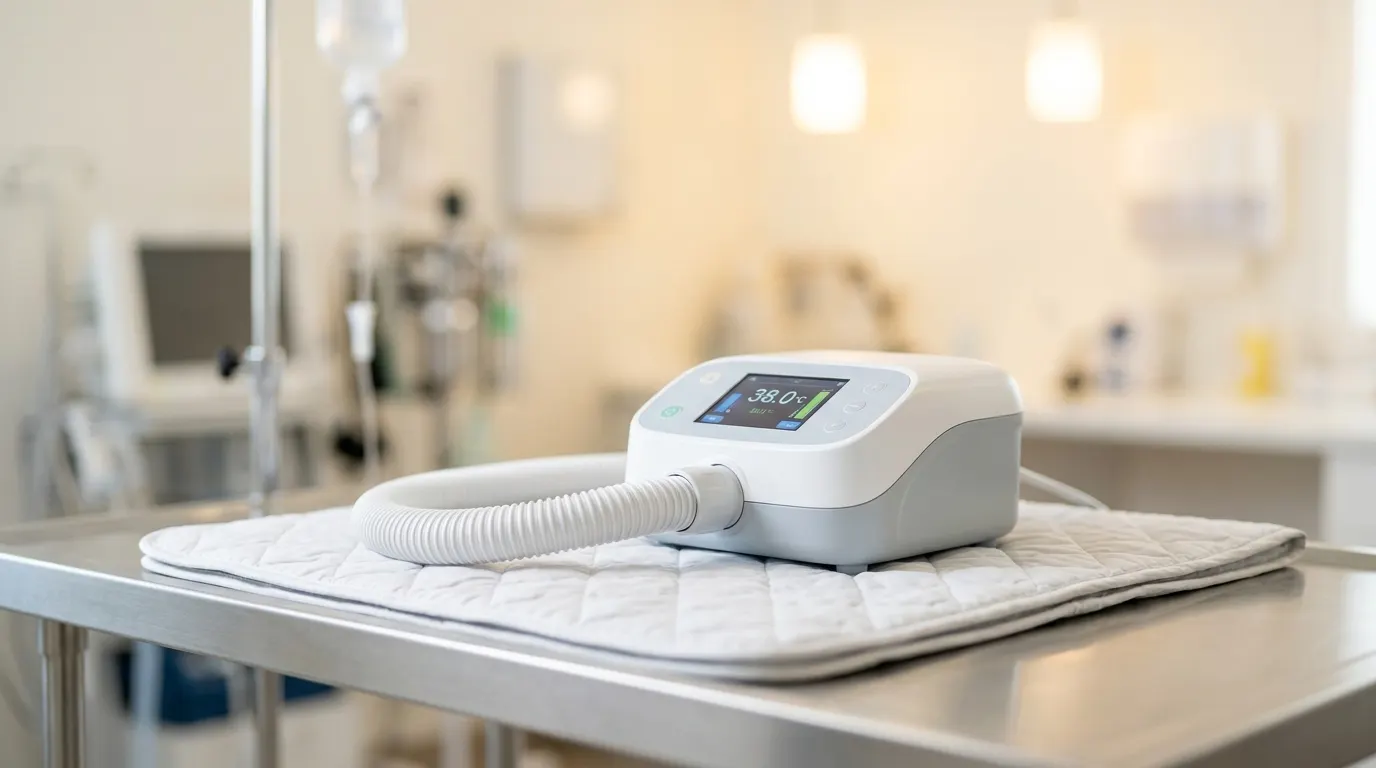 Anaesthesiology
Active warming of the patient during the procedure and recovery — preventing hypothermia, the most common complication of anaesthesia.
What this means for the patient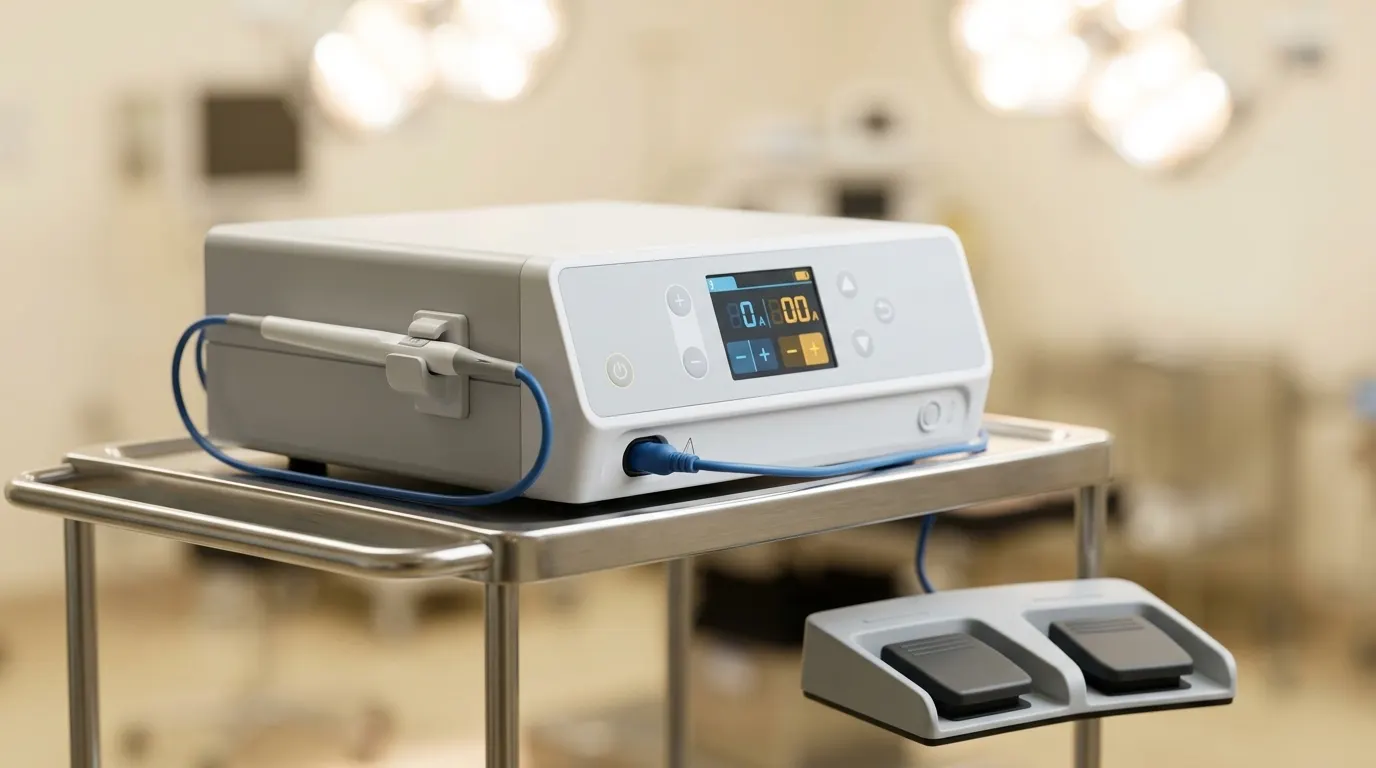 Operating suite
Precise cutting and coagulation of blood vessels with high-frequency current — less bleeding and a shorter procedure.
What this means for the patient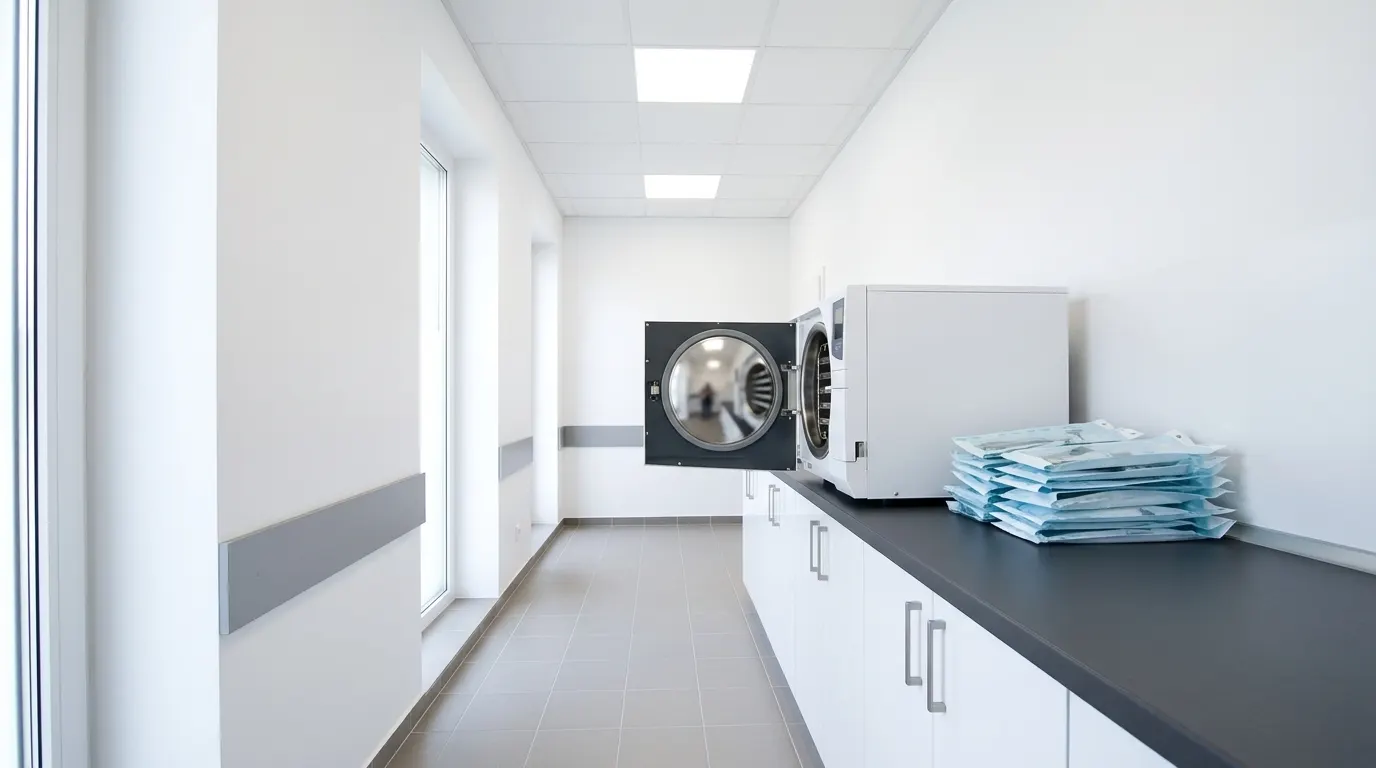 Operating suite
An autoclave with biological and chemical monitoring, packing of instruments, and an auditable flow of sterile material.
What this means for the patient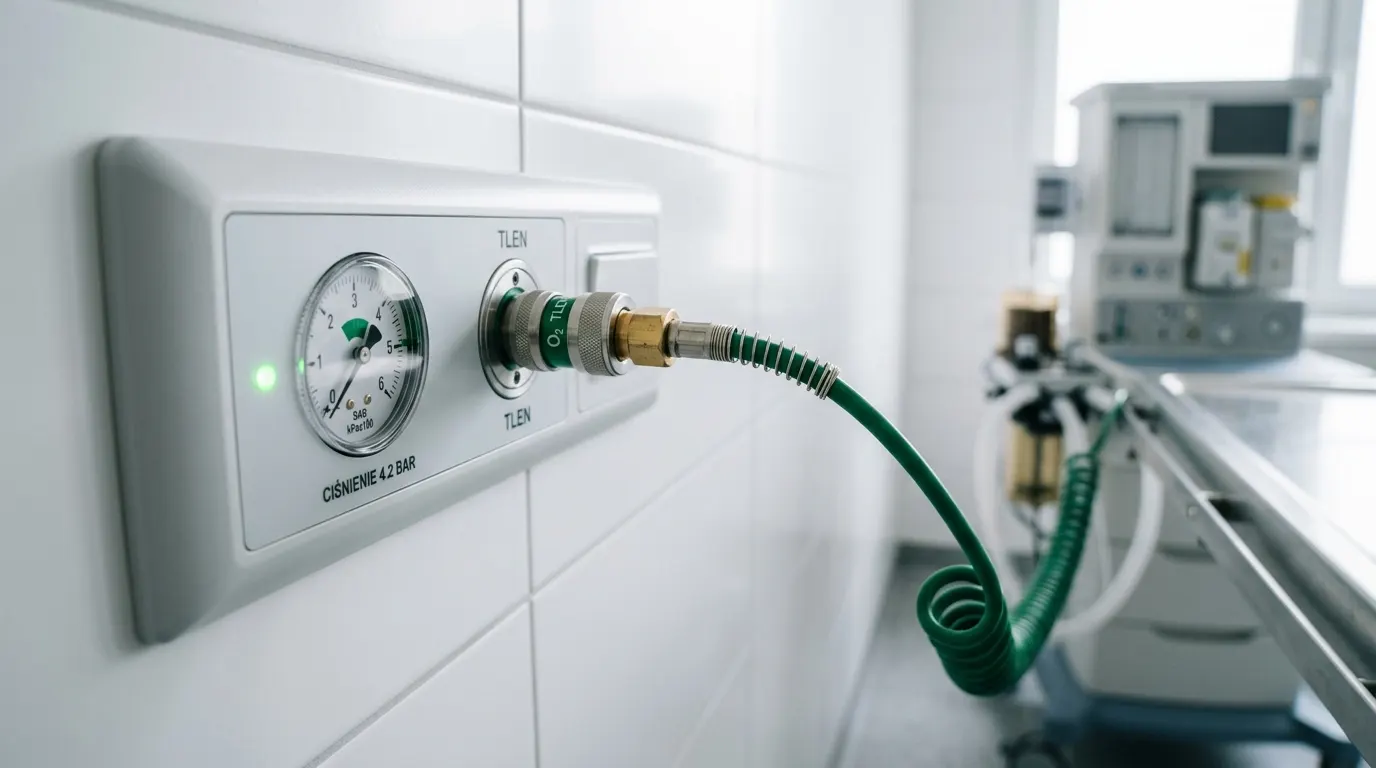 Medical infrastructure
A permanent piped installation distributing medical oxygen from a central source to outlets in both operating theatres.
What this means for the patient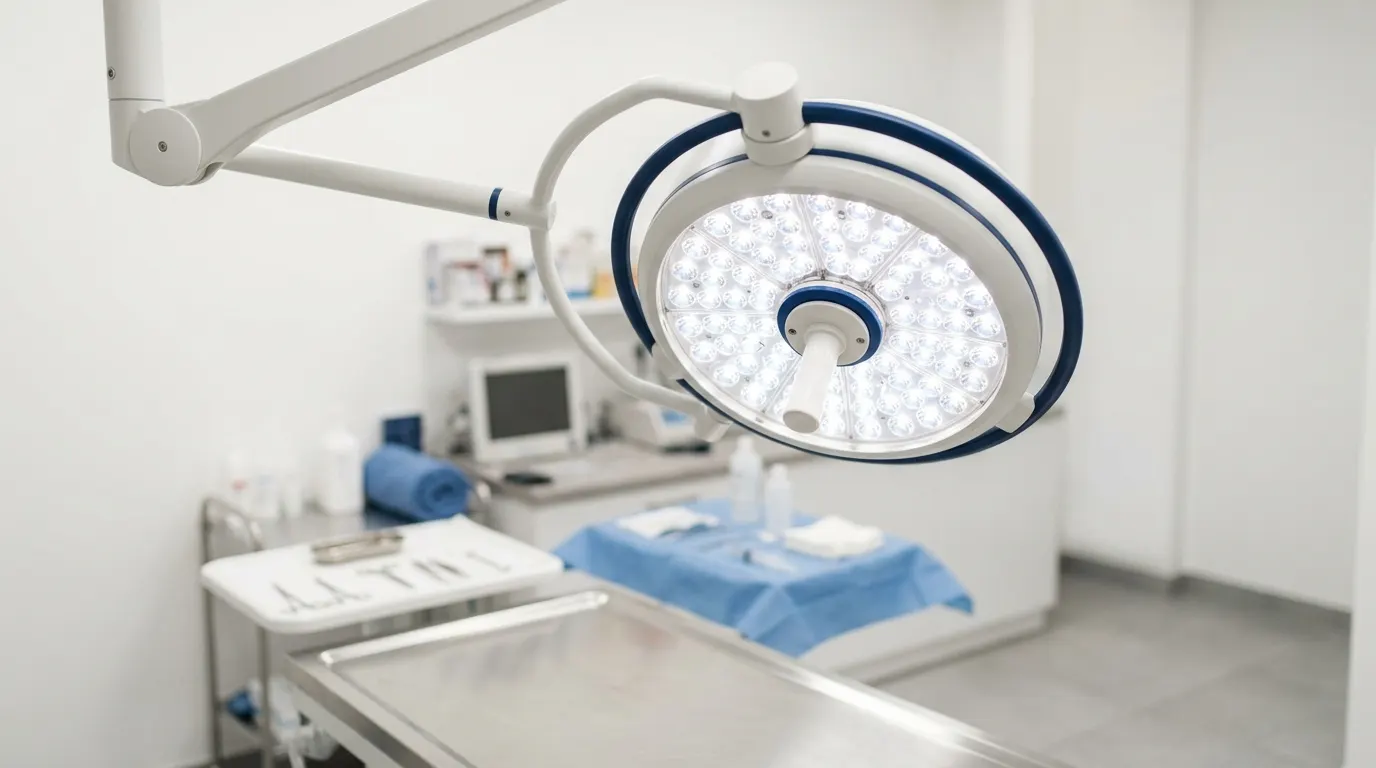 Operating suite
Modern shadowless procedure and surgical lights in the consulting rooms and the operating suite — adjustable light intensity and colour temperature, with an arm that reaches the whole operating field.
What this means for the patient Professional development
A separate room with a veterinary book collection and a computer workstation, a place for studying the literature and analysing difficult cases.
What this means for the patient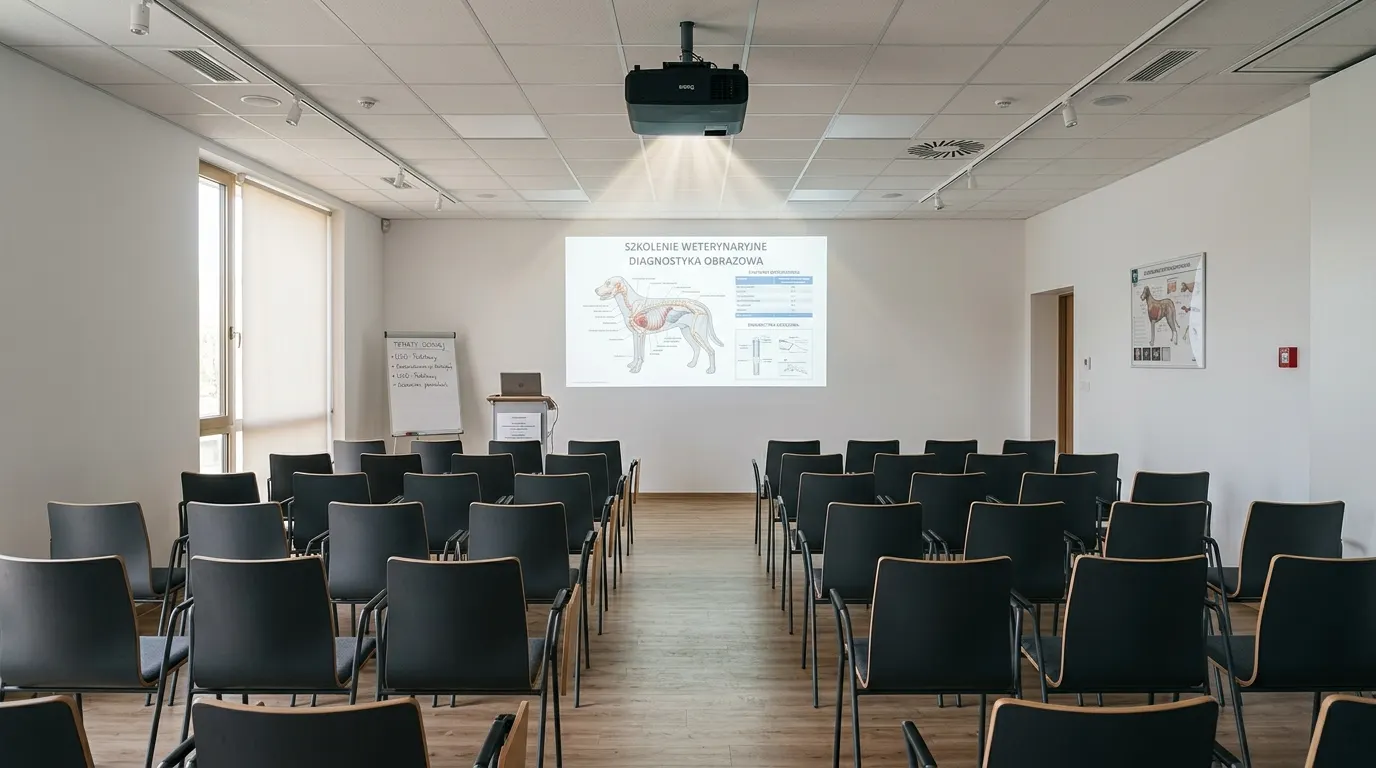 Professional development
A room for staff meetings and briefings, and also a training centre for veterinarians and technicians from outside the practice: a short-throw projector with a large image, with space for 14–16 participants.
What this means for the patient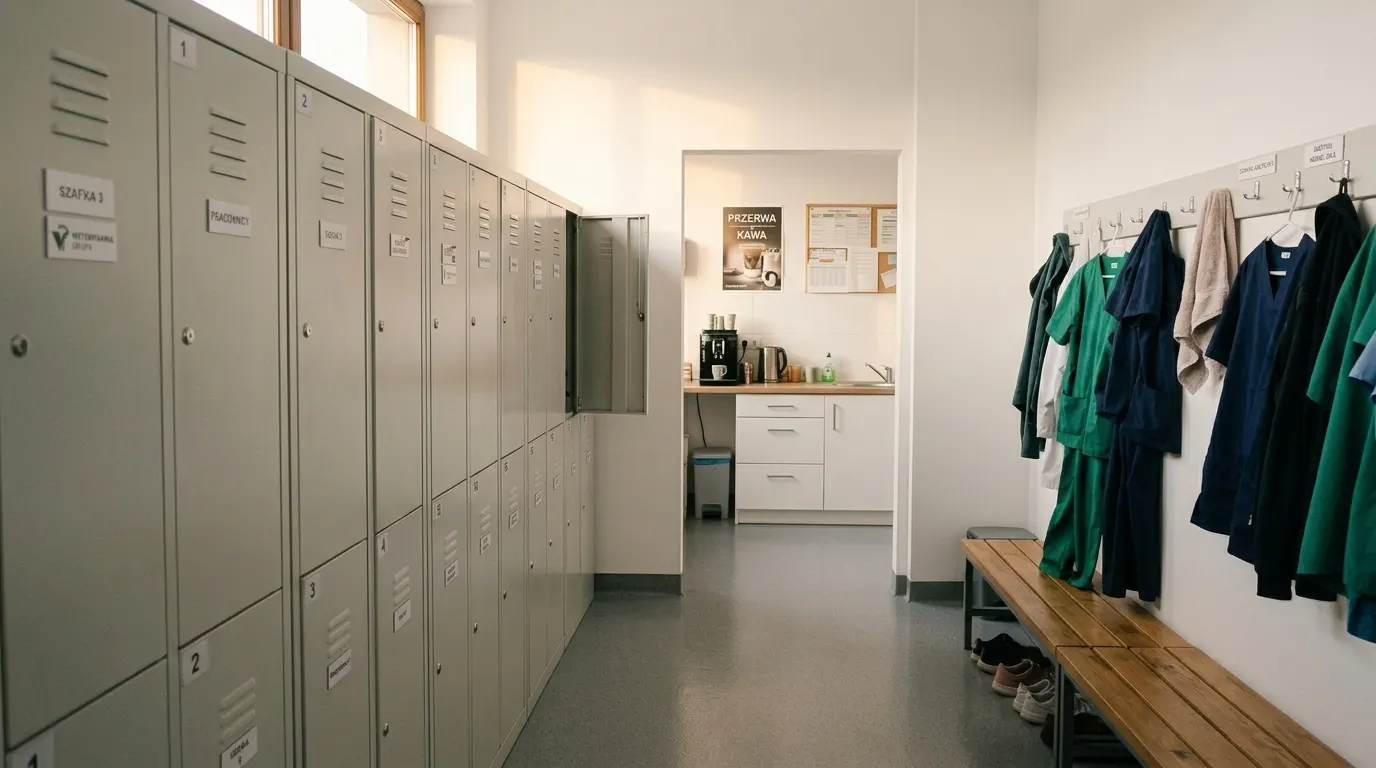 Staff facilities
A changing room for staff with a separate bathroom, and a social area with a kitchen, a space where the team can recharge between patients.
What this means for the patientSeparate areas for dogs and cats reduce stress before the examination.
Right by the entrance, also for patients brought in as an emergency.
Hospitalisation without additional stress, part of the observation chart.
Patient safety is our top priority, achieved by consistently following our adopted medical standards rather than by showcase tours of the facilities.