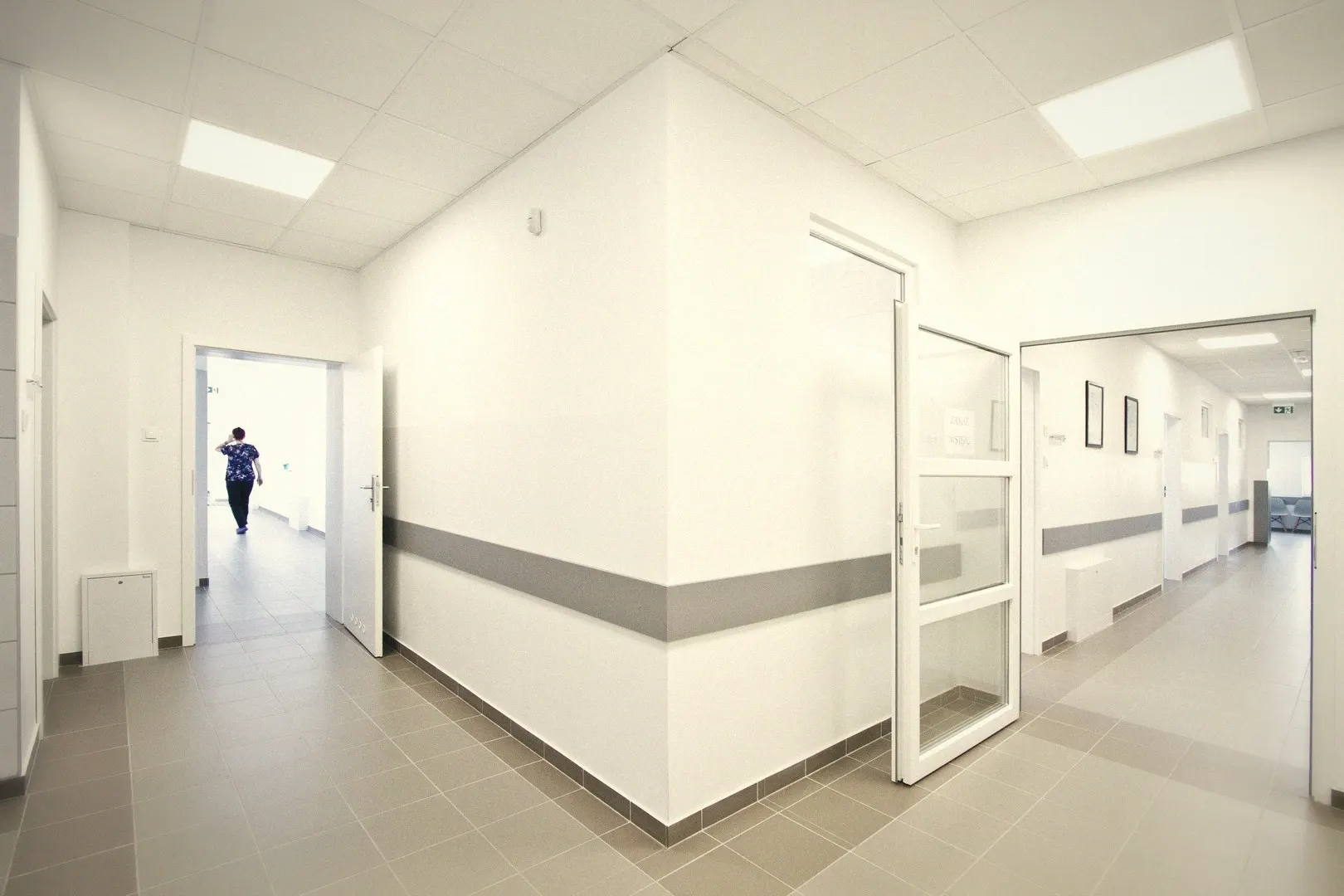
In-patient hospital
Hospitalisation with an observation chart
Vital signs at fixed intervals, pain management according to scoring scales, unambiguous patient statuses.
Vet for Świdnica and the surrounding area: a veterinary practice with an in-patient hospital in Pszenno, about 5 km from the town centre. A multi-specialty veterinary practice for cases in which standards, assessment and predictable clinical quality matter. We do not compete on price or on a relaxed atmosphere — we compete on disciplined procedure.
Are you managing a patient and need a specialist consultation? Refer a patient →
Most health problems can be resolved at a good first-opinion practice. We were founded for the rest: complex, surgical and interdisciplinary cases — and for owners who expect the same level of rigour from veterinary medicine as from human medicine.
Every clinical decision here has its “why”: it is based on the history, the examination, reference values and the protocol in force. As a result, the quality of care does not depend on the day of the week or on who happens to be on duty.
We are not the cheapest. We are not the most relaxed. We are the most demanding — of ourselves.
What it involves, when it is used, how it goes and what aftercare looks like. Search by specialty and name.
Terms of referral cooperation, referral forms, the training archive and clinical posts.
Two operating theatres, anaesthetic monitoring, digital X-ray, ultrasound, an endoscope, a laboratory, an in-patient hospital — and what each of them offers your pet.
Six protocols apply to every veterinarian, with every patient, every time. It is these — not promises — that distinguish a referral hospital from a first-opinion practice.
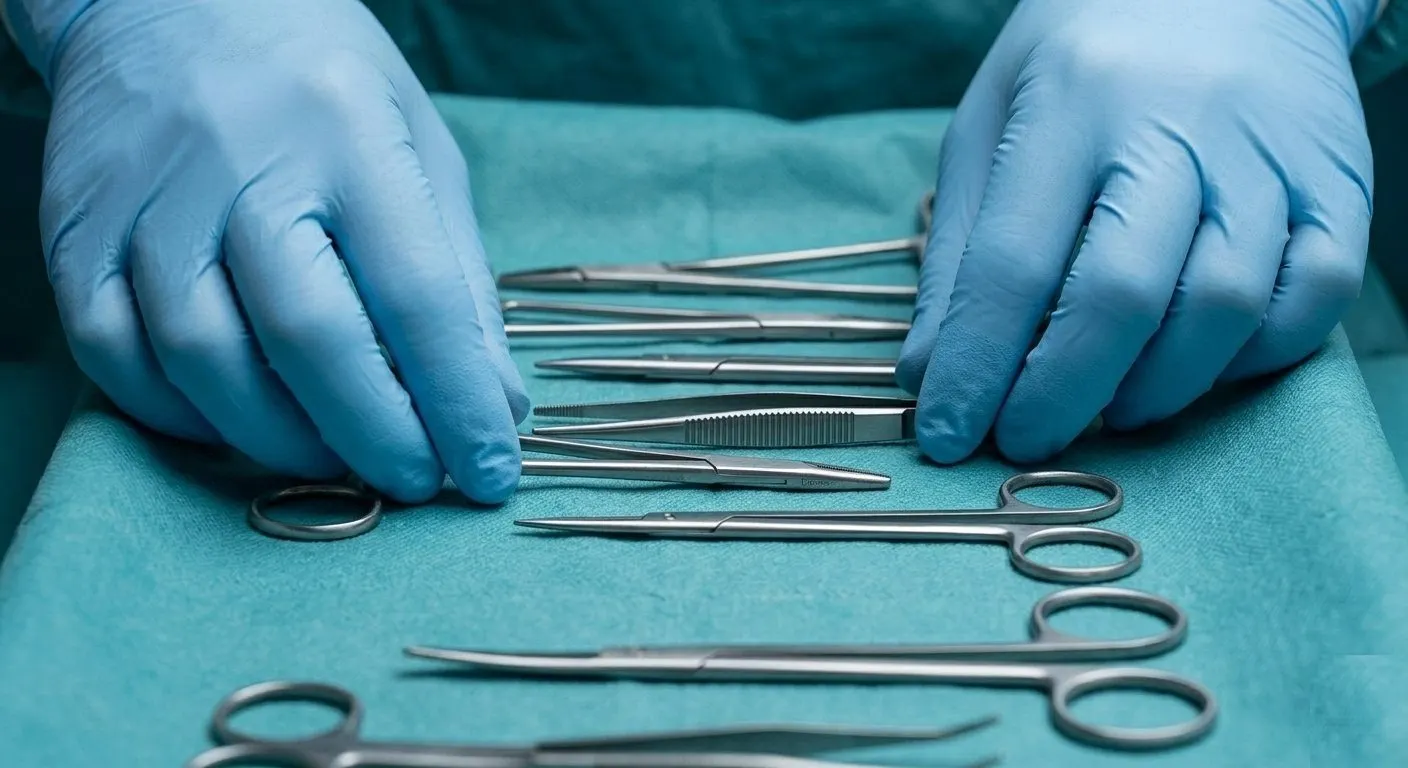
No procedure under general anaesthesia takes place without prior assessment: a clinical examination, blood tests and an ASA risk assessment. The anaesthetic plan is chosen individually — not “as standard for the species”.
Vital signs — oxygen saturation, capnography, ECG, blood pressure, temperature — are monitored by a dedicated person throughout the procedure and recovery. The record is added to the patient's medical records.
Before the incision, the team goes through a checklist modelled on human surgery: patient identity, surgical site and side, equipment, medicines, a plan for complications. A routine that eliminates “obvious” errors.
We assess pain on structured scales and treat it pre-emptively, combining several mechanisms of action. The patient's comfort is a clinical parameter, not a courtesy.
Two operating theatres with separate purposes, airlocks, instrument sterilisation with biological and chemical monitoring, and an audited flow of materials — according to fixed, written procedures.
Every patient has a digital record: results, recommendations, a record of decisions. Handover between veterinarians and between shifts is structured — clinical information does not get lost “along the way”.
We update our protocols on the basis of guidelines from specialist societies and a review of our own cases. A standard that cannot be maintained with every patient is not a standard.
Read all the standards in detailOur specialties are not a list of services — they are departments of a single referral practice. A complex case is led by a specialist veterinarian in that field, and consultations between specialties take place within the team, without sending the owner “somewhere else”.
Routine visits, vaccinations, periodic check-ups and preparing the patient for a procedure — the foundation on which every further clinical decision rests.
07 services →Chronic and multi-organ diseases: digestive, respiratory, urinary and hormonal (diabetology, endocrinology) systems and dietetics — with targeted diagnostics rather than treatment “by trial”.
06 services →Abdominal, thoracic and soft tissue procedures — planned and life-saving — in two operating theatres, following written protocols.
18 services →Fractures, ruptured ligaments, patellar luxation and dysplasia — from imaging, through the procedure, to a plan for returning to full activity.
07 services →Echocardiography, ECG, blood pressure measurement and management of cardiac patients — including cardiac assessment before anaesthesia.
06 services →Oncology covers the patient's whole pathway in one place: consultation, cytology, diagnostic imaging, staging, surgical oncology with histopathological assessment of the removed tissue, and chemotherapy given on site. We discuss the treatment plan and prognosis with the owner before any decision is made. When a case needs an outside centre, we coordinate the treatment.
07 services →Periodontal disease, extractions, oral injuries — procedures under general anaesthesia with full monitoring and dental X-rays that show the tooth roots and changes hidden under the gum.
06 services →Itching, hair loss, recurrent ear infections — differential diagnosis instead of yet another “trial-and-error” ointment.
05 services →Every patient follows the same seven-stage pathway. At every point the owner knows which stage their animal is at, what is happening and why.
Every enquiry is classified by urgency. A life-threatening condition goes to the front of the queue — this is not a matter of discretion, it is a rule.
A structured history and a full examination — even when the problem “seems obvious”. Initial differential diagnoses are recorded in the patient’s record.
We choose tests to match the clinical hypotheses: laboratory, imaging, endoscopy. Results are compared with reference values and discussed with the owner.
The owner receives a plan with options, risks and costs — before making a decision, not after. A patient undergoing a procedure has a pre-anaesthetic assessment (STD-01).
The team works from the procedure checklist, with continuous monitoring of vital signs and multimodal pain management (STD-02 — STD-04).
An in-patient has an observation chart with parameters recorded at fixed intervals. The status — stable, under observation, critical — is unambiguous for the whole team.
Discharge is a document: diagnosis, procedures performed, medication, follow-up plan. The referring veterinarian receives a full summary — continuity of care does not end at our door.
Standards cannot be maintained without the right facilities. Our 600 m² was designed around the patient pathway: from separate reception areas, through the operating suite, to an in-patient hospital with monitoring.
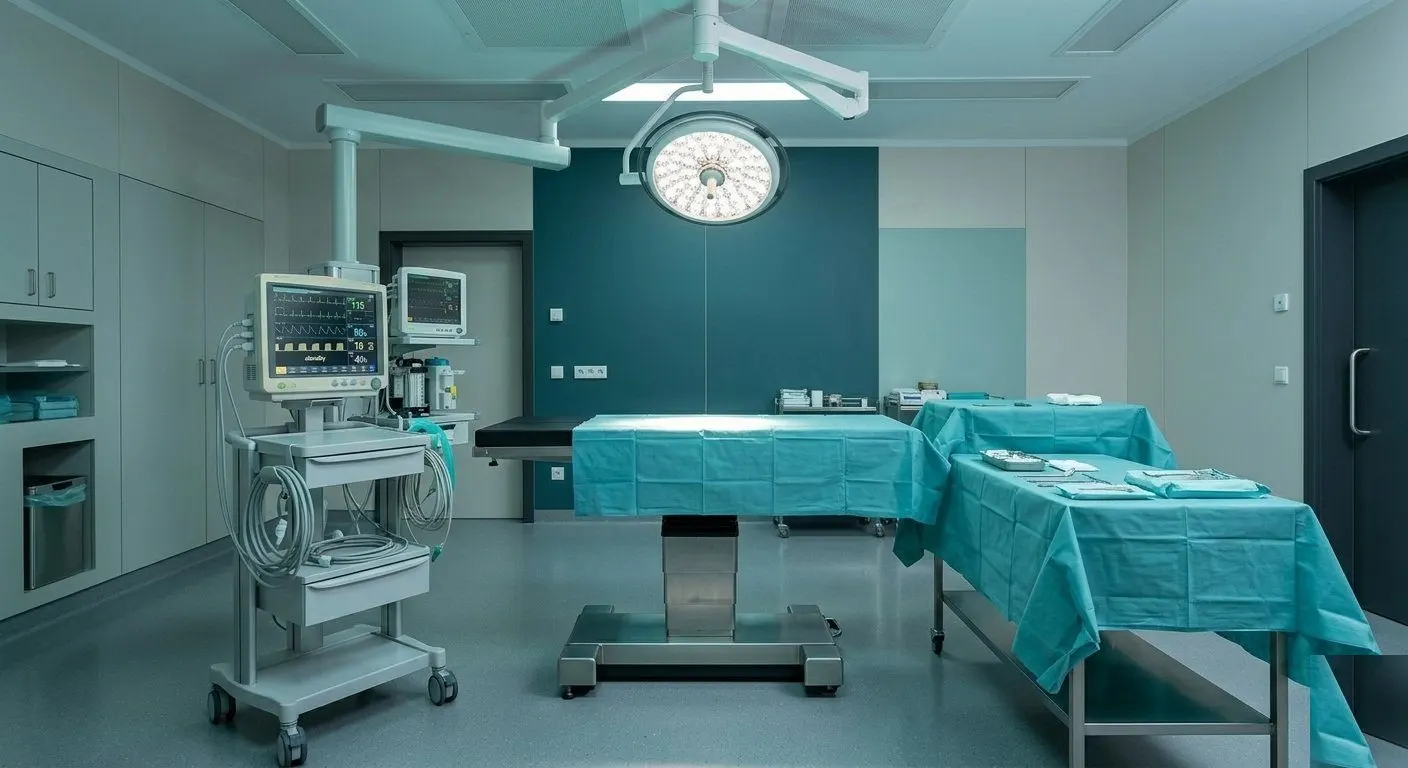 Operating theatre
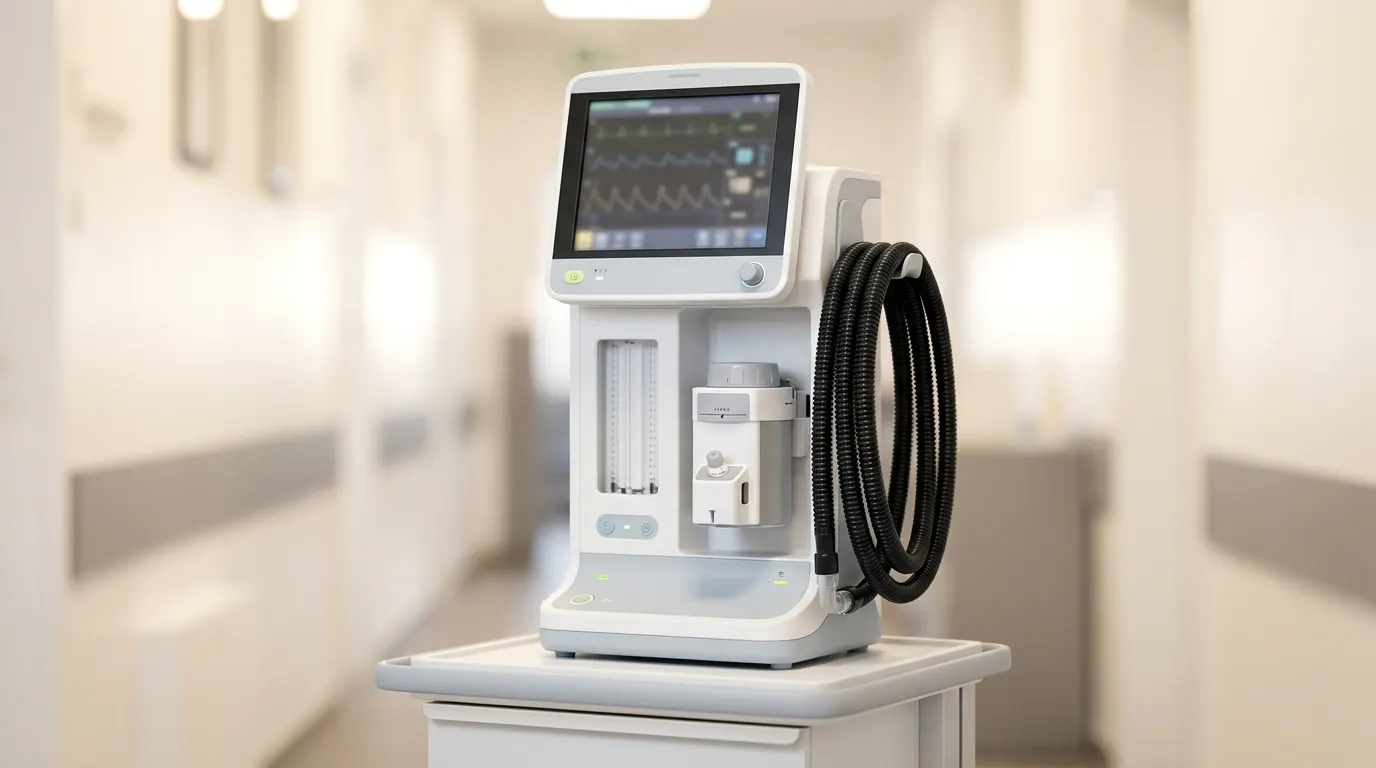 Anaesthesia workstation
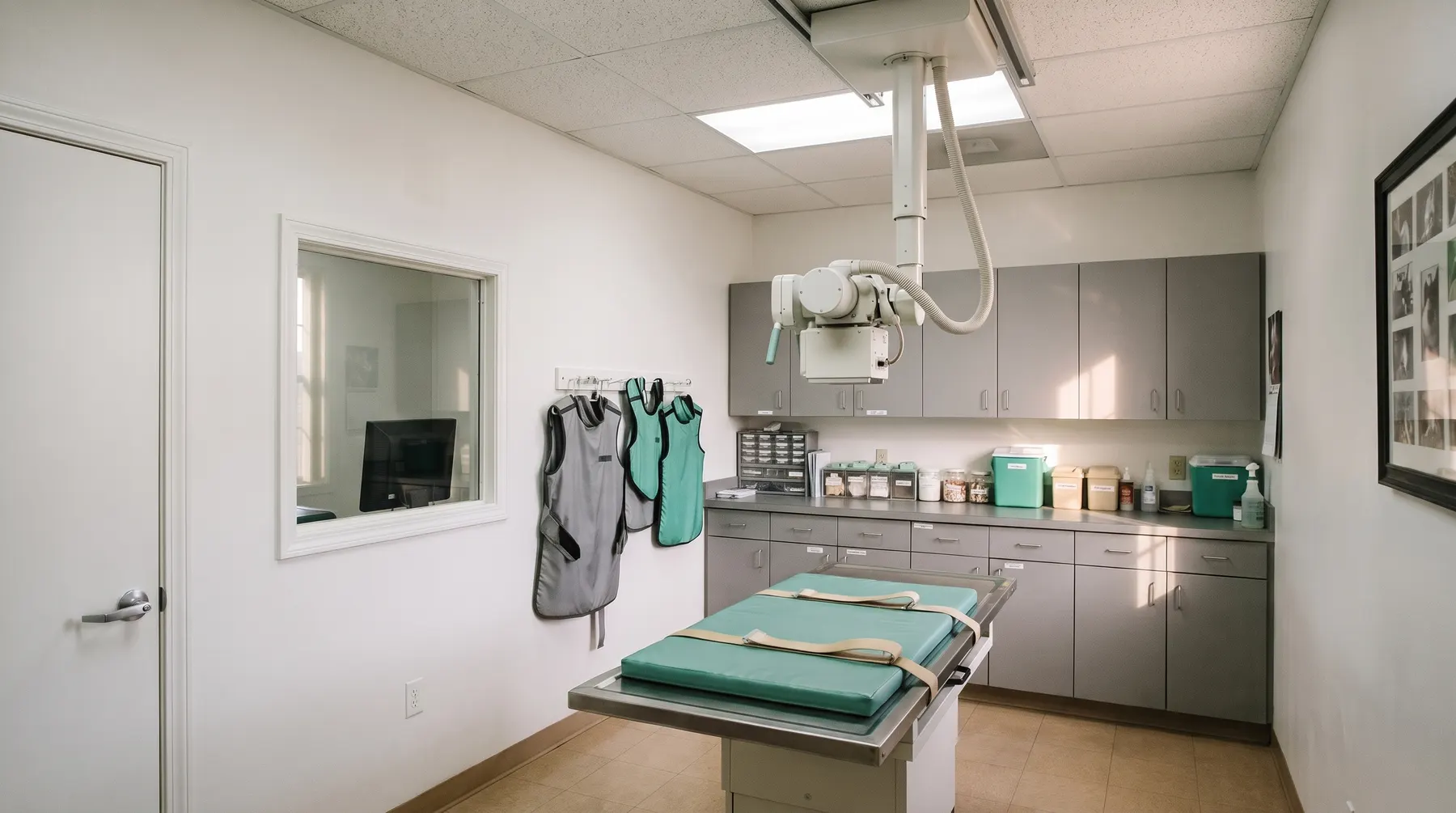 Digital X-ray
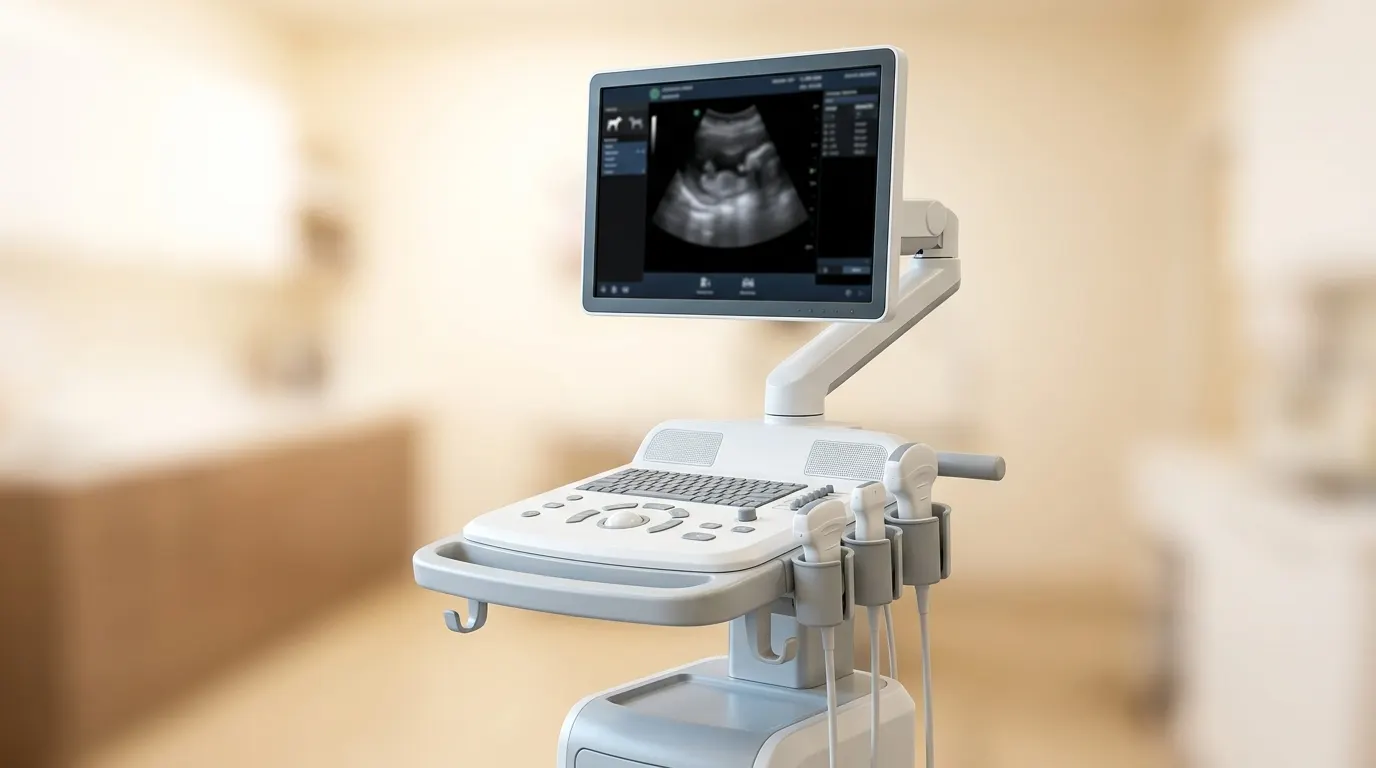 Ultrasound scanner
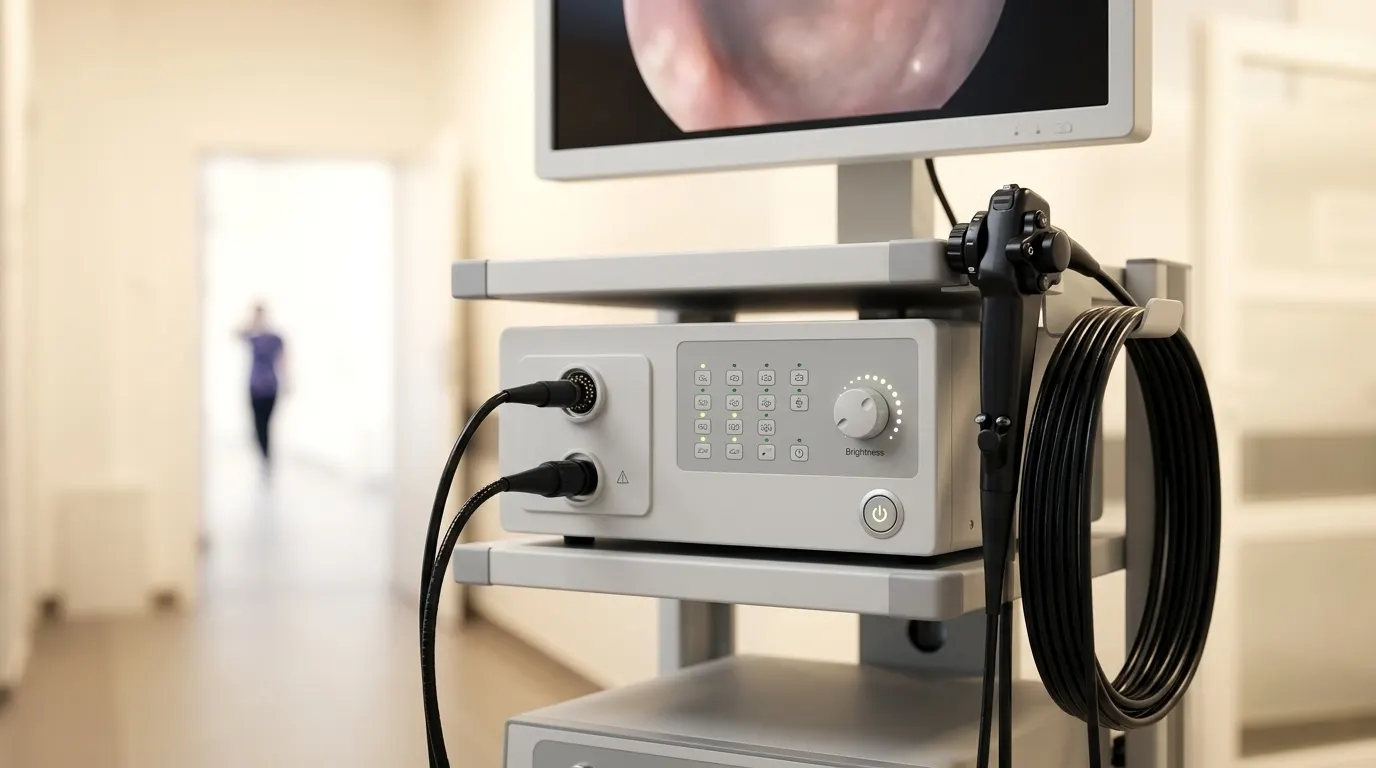 Veterinary endoscope
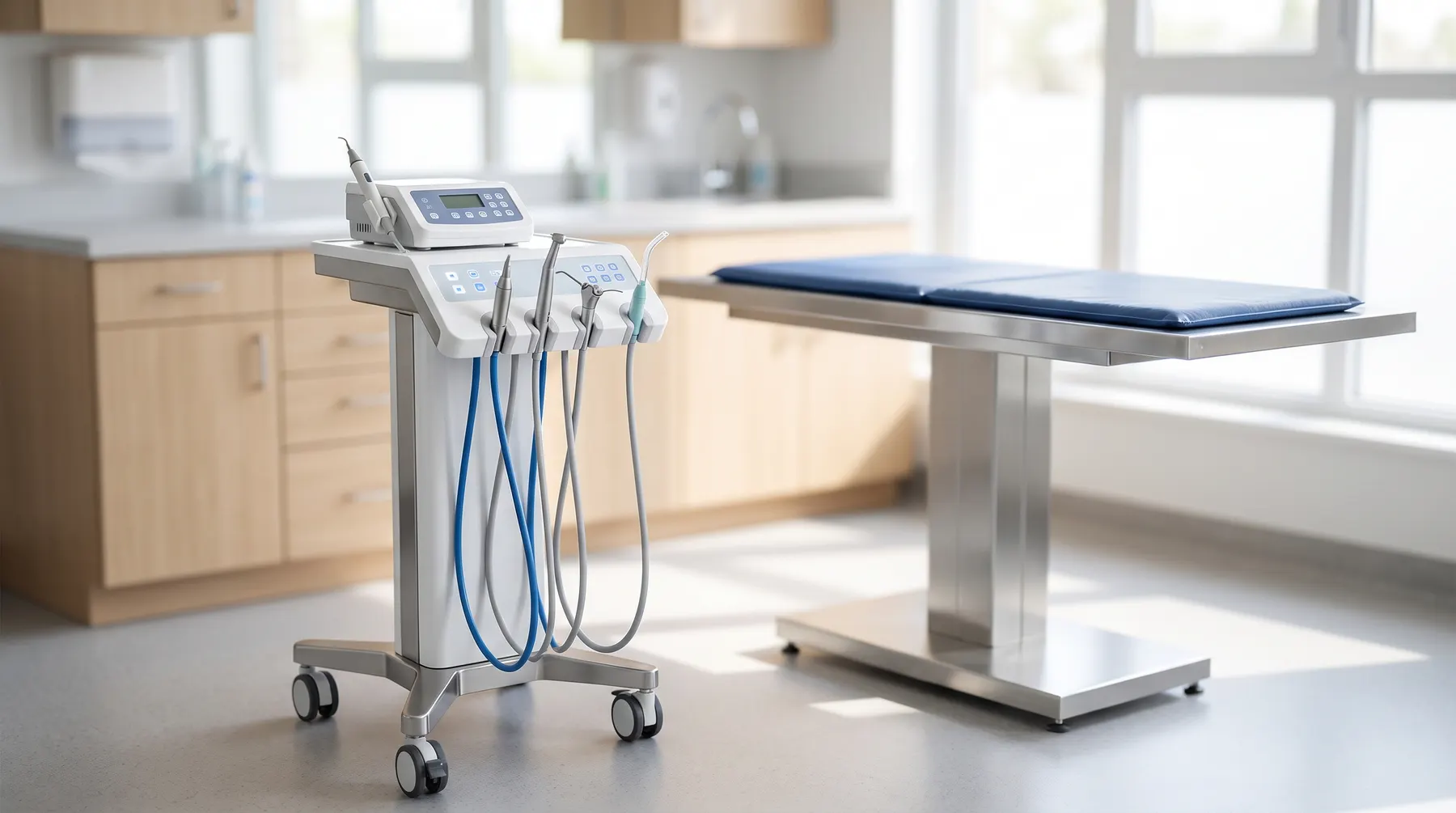 Dental unit
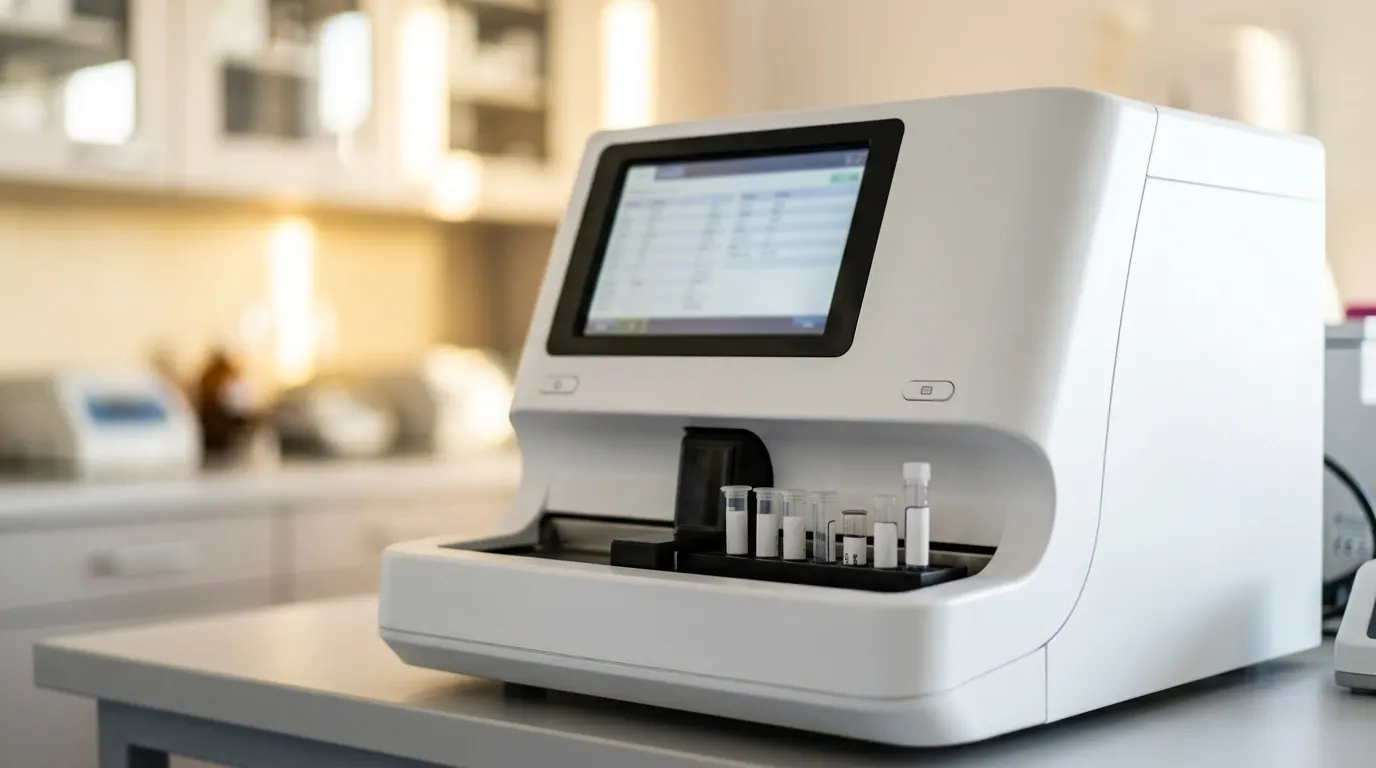 Laboratory
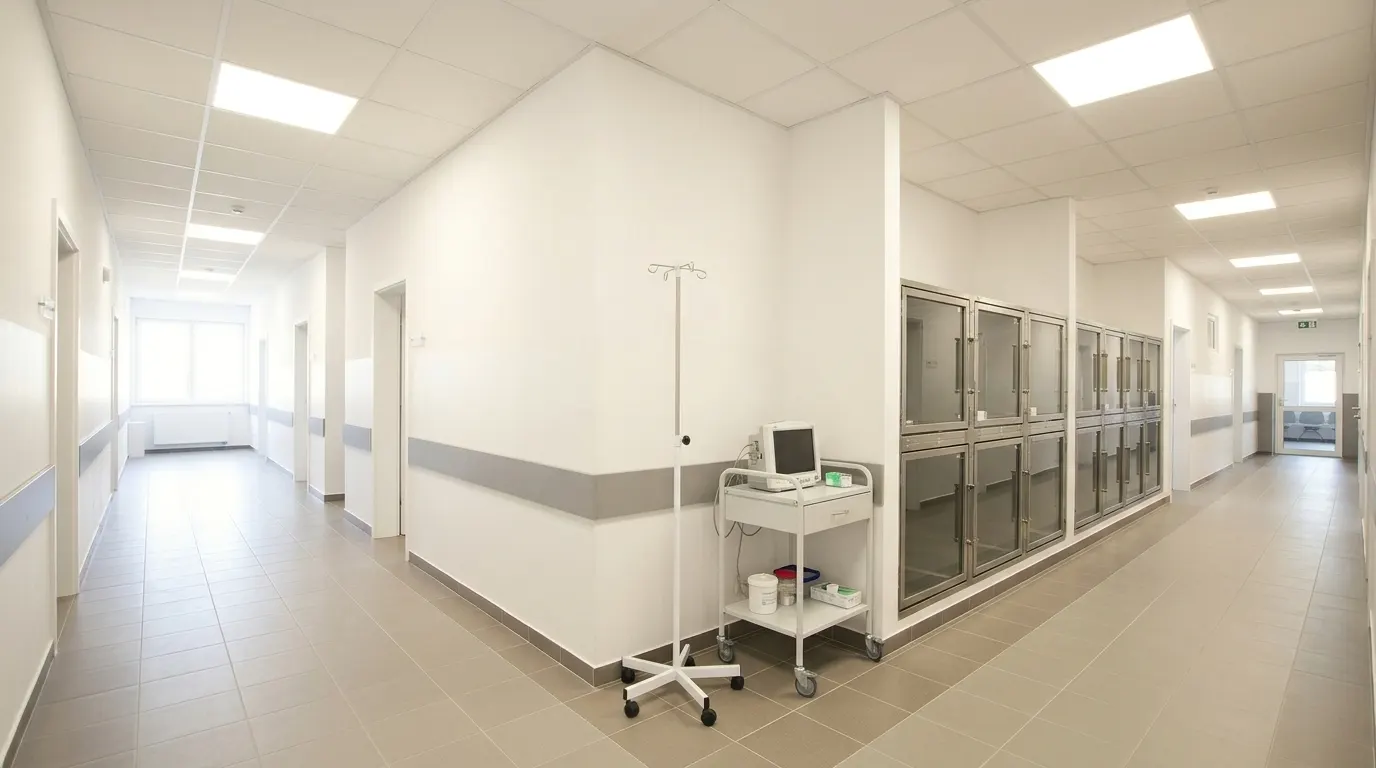 In-patient hospital · hospitalisation
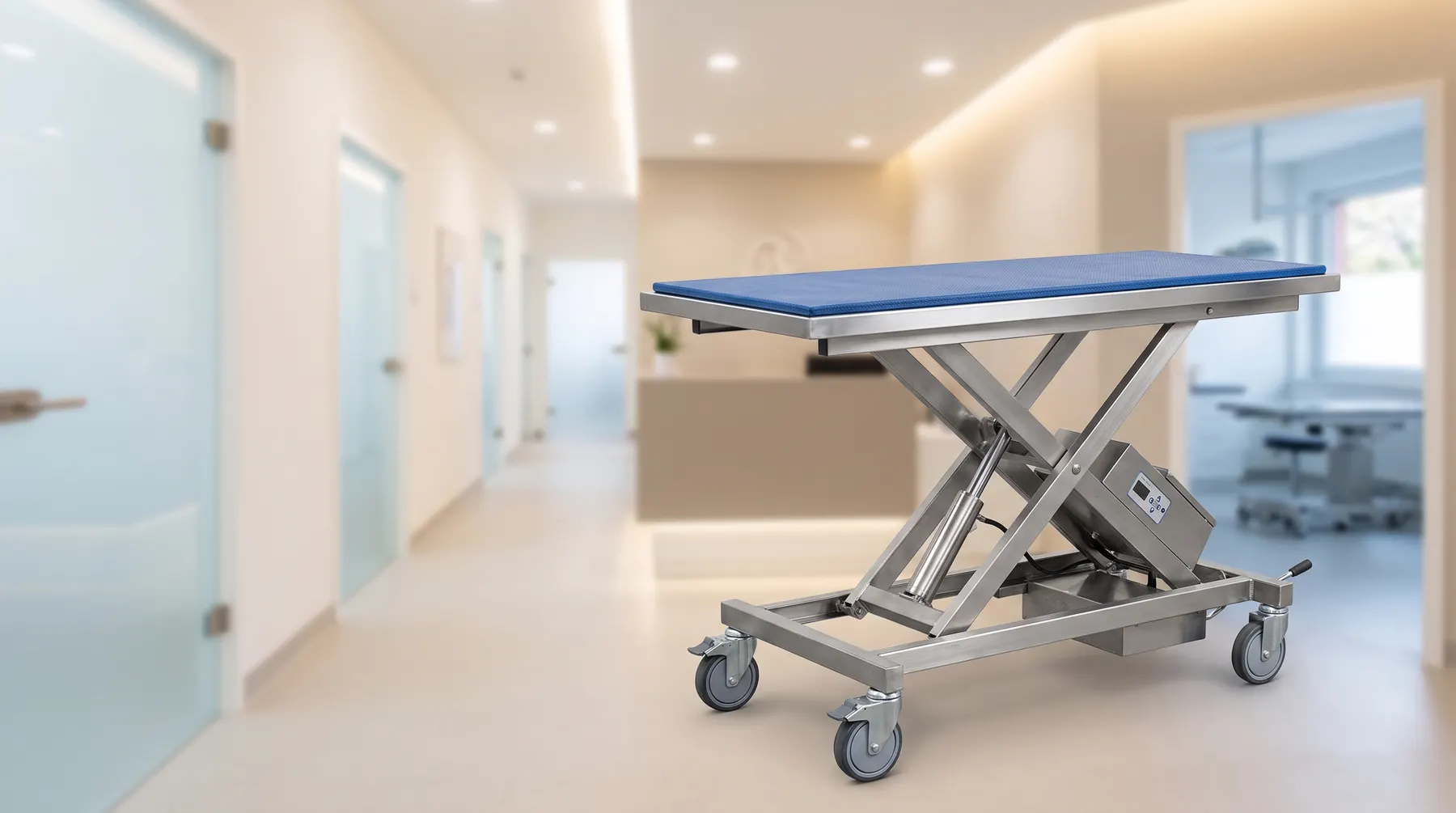 Transport trolley
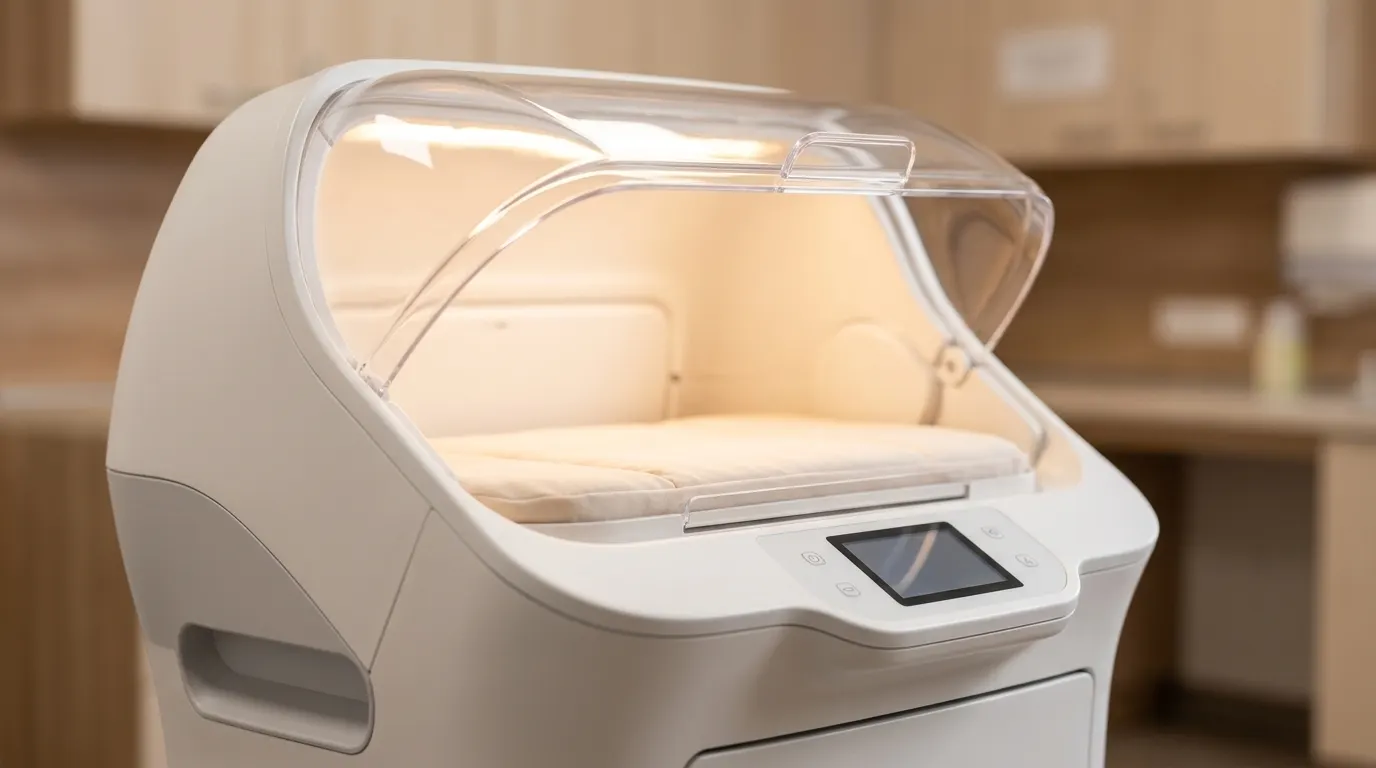 Incubator
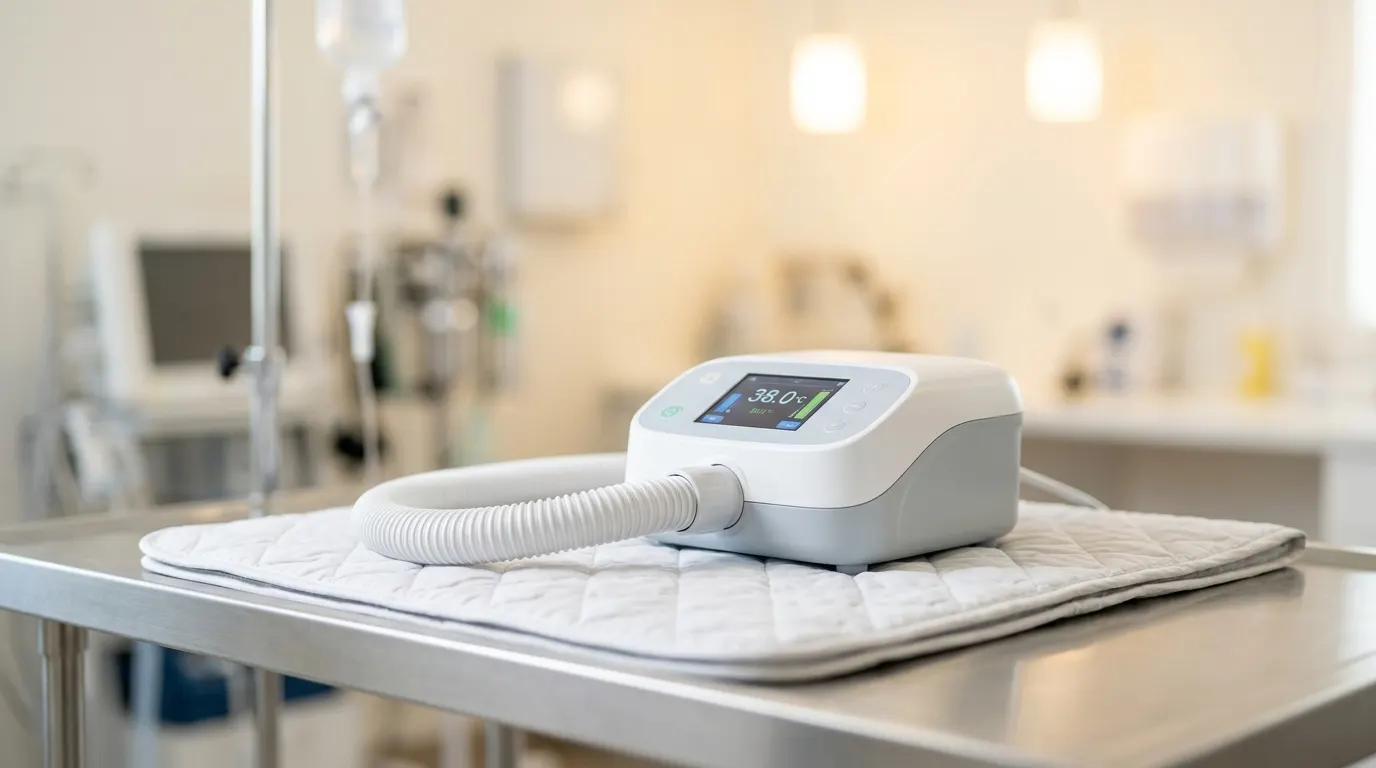 Intra-operative warming
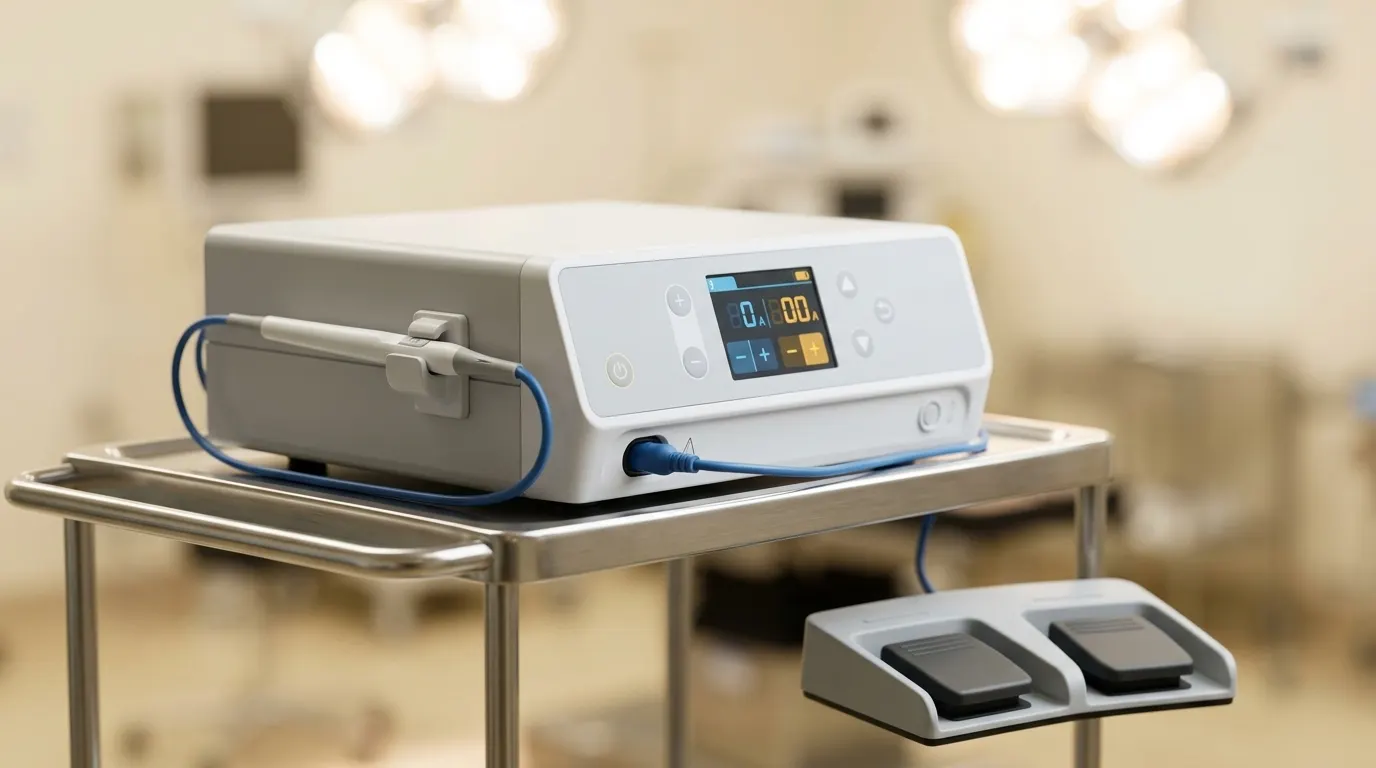 Electrosurgical unit
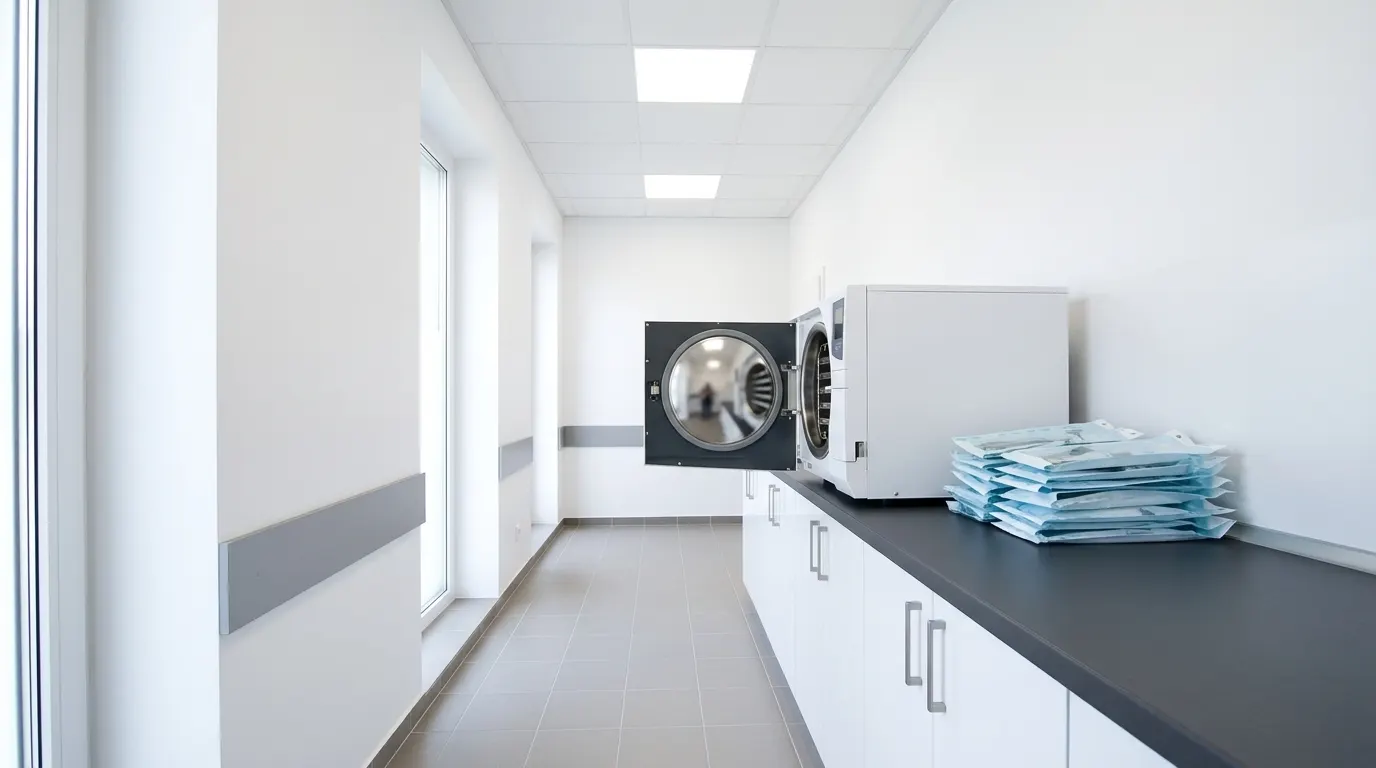 Sterilisation room
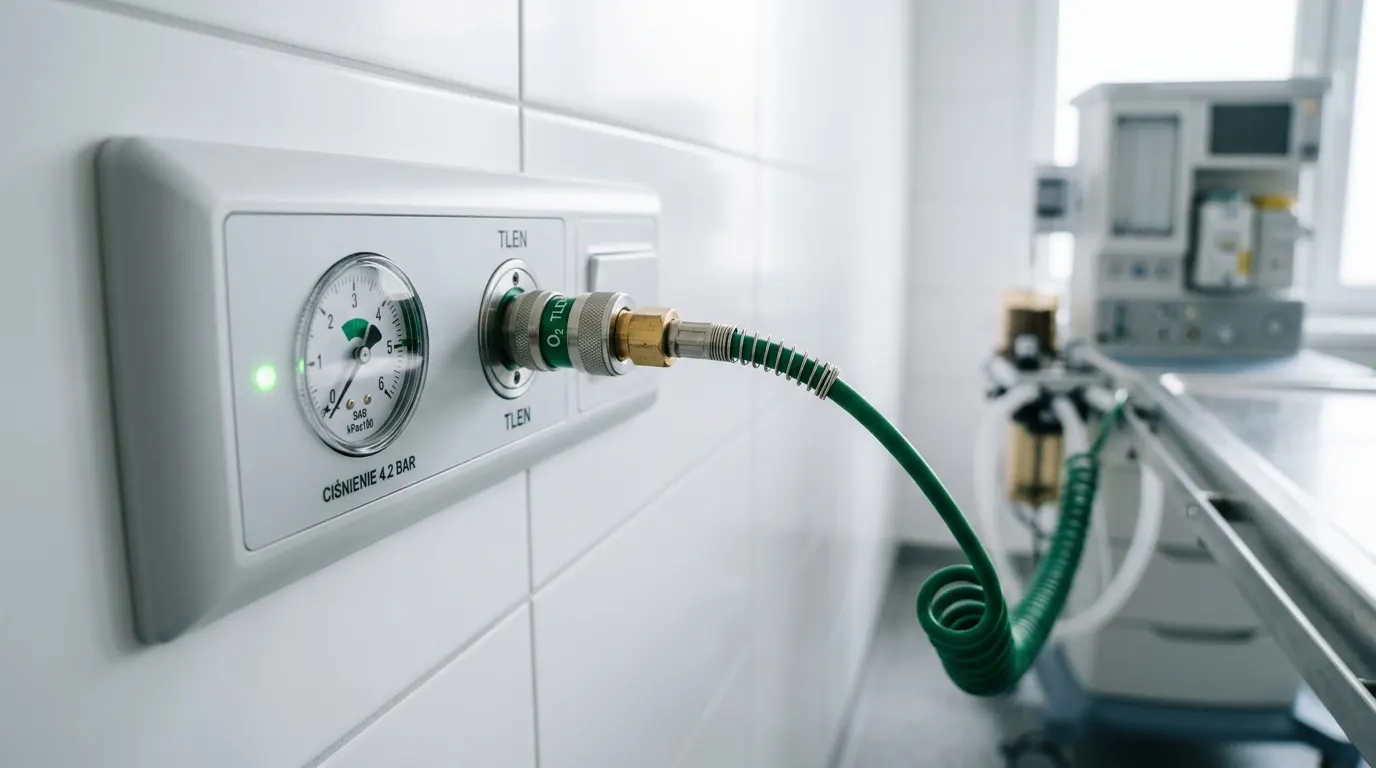 Medical gas installation
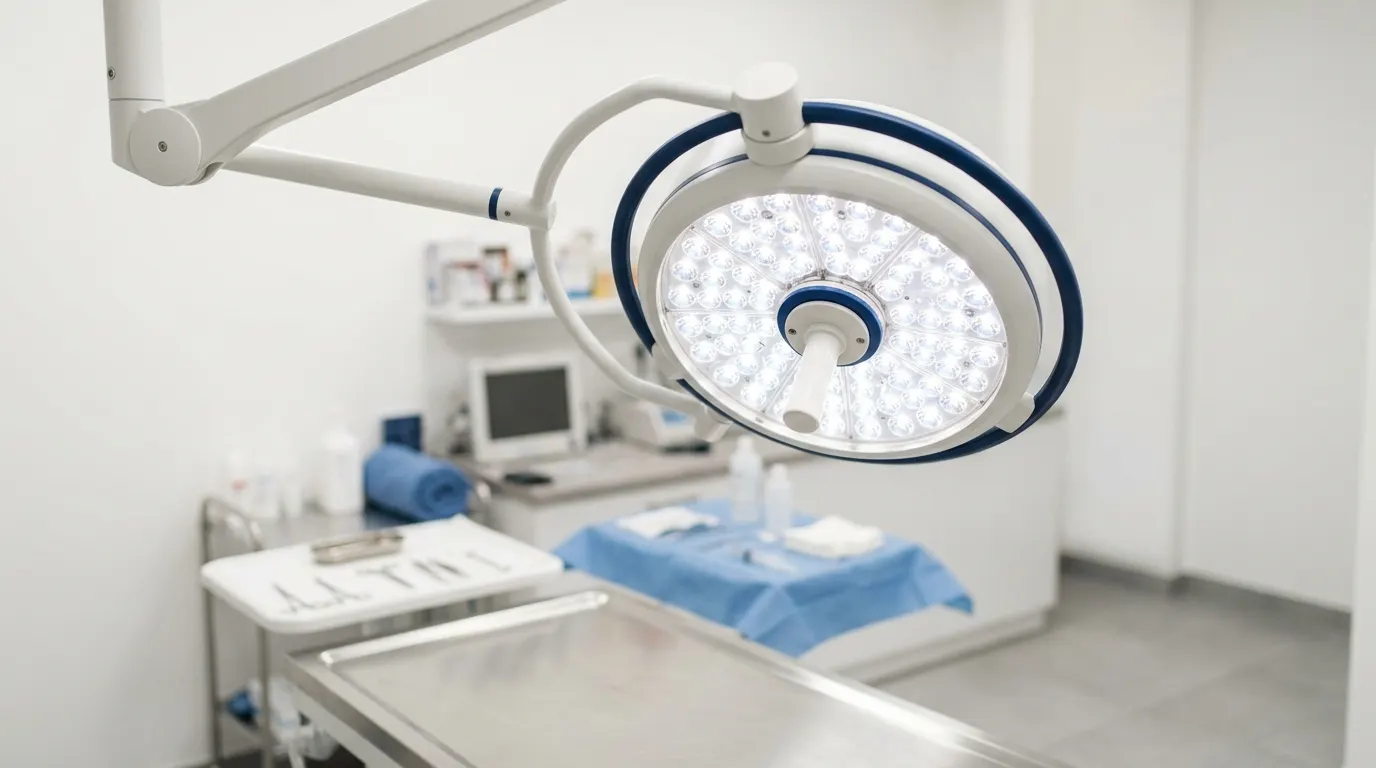 Procedure lights
Separate theatres for clean surgery and other procedures reduce the risk of infection. Each has a full anaesthesia station: capnography, pulse oximetry, ECG, blood pressure, patient warming.
Vital signs at fixed intervals, pain management according to scoring scales, unambiguous patient statuses.
On-site diagnostic imaging, with the report set in the clinical context of the patient — rather than sending images out “blind”.
Minimally invasive diagnostics of the digestive and respiratory tracts, and removal of foreign bodies without opening the body cavities.
Blood count, biochemistry and urgent tests available straight away — we know critical values within minutes, not days.
Professional ethics forbid promising a cure — and rightly so. That is why we show what really reflects quality: consistency of process.
The content is for information only and is not a promise of a treatment outcome. The prognosis in a specific case is always discussed individually, based on an examination of the patient.
We do not employ “vets who do everything”. Each specialty has a lead veterinarian, and interdisciplinary cases are discussed as a team — in one building, over one patient record.
Leads the operating suite and supervises the hospital’s procedure protocols. Represents the second generation of the practice — and the first to take it to referral level.
6 veterinarians · technician team · ongoing consultation with external specialists
Meet the full teamFor owners looking for a second opinion, comprehensive diagnostics or surgical treatment carried out to set standards.
We accept patients referred for diagnostics, procedures and specialist consultations. The patient comes back to you — with a full report.
“I recommend them with all my heart. Professional care and a really warm approach to both the animals and their owners. Concrete information, no time pressure. Angels, not vets 😄”
„Z całego serca polecam. Profesjonalna opieka, mega ciepłe podejście do zwierząt i opiekuna. Konkretne informacje, bez presji czasu. Aniołowie nie lekarze 😄”
“We have just had a cardiology consultation with a lovely gentleman. Remarkable patience and gentleness with our very active, fidgety dog - we highly recommend him!! This is the kind of vet we need 🥹🥹🥹”
„Jesteśmy po konsultacji kardiologicznej u przemiłego pana. Niezwykła cierpliwość i delikatność w podejściu do bardzo aktywnej i ruchliwej psiny - bardzo polecamy!! Takich weterynarzy nam potrzeba 🥹🥹🥹”
“The staff are extremely kind from the moment you walk in. The animals are given quiet and calm. And then there is Dr Podgórski, who has a huge ❤️, empathy and kindness towards animals, in our case cats. Dr Podgórski examines calmly and thoroughly and makes a good diagnosis. He chooses medicines in such a way that the cats are willing to take them.”
„Ogromna życzliwość personelu już od progu. Zwierzęta mają zapewnioną ciszę i spokój. No i Pan dr Podgórski, który ma ogromne ❤️, empatię, życzliwość do zwierząt, w naszym przypadku są to koty. Dr Podgórski spokojnie i wnikliwie bada, stawia dobrą diagnozę. Tak dobiera leki, że koty chcą je przyjmować.”
“A professional veterinary practice, with vets who have a lot of experience and a good approach to the patient.”
„Profesjonalna klinika dla zwierząt, lekarze z dużym doświadczeniem i podejściem do pacjenta.”
“The reception is well organised, appointments start on time, and communication with the vet is good. Fairly quick service and pleasant staff. I recommend it”
„Dobra organizacja pracy rejestracji, przyjęcia na czas, dobra komunikacja z lekarzem weterynarii. W miarę szybka obsługa, miły personel. Polecam”
“Professional service and a wide range of tests. Mango sends greetings :D”
„Profesjonalna obsługa i szeroki zakres badań. Mango pozdrawia :D”
Mon–Fri 9:00–19:00, Sat 9:00–13:00. Closed on Sundays and public holidays.
No.
No. Outside opening hours, see what to do and where to go.
Dogs and cats only.
By phone (74 660 62 68) during reception hours or online. We book visits in advance.
On site we perform digital X-ray, ultrasound (including the heart, i.e. echocardiography), ECG, endoscopy and basic tests in our laboratory: blood count, biochemistry, urinalysis and cytology. Results from our own laboratory are usually ready during the visit. Specialised tests (histopathology, PCR, hormones) are sent to an external laboratory.
Yes. Diagnostic imaging is led by Dr Justyna Ostrowska: Doctor of veterinary sciences (PhD) and Diplomate of the European College of Veterinary Diagnostic Imaging (Dip. ECVDI), the European specialist title in diagnostic imaging. Andrzej Hołdowański, DVM, holds a specialisation in surgery, and Eliza Hołdowańska-Kroczak, DVM, is a specialist in radiology (specialisation in surgery in progress). Full qualifications for each person are on the Team page.
Cardiology is handled by Kamil Kolanek, DVM; oncology and dermatology by Mateusz Podgórski, DVM; surgery and orthopaedics by Eliza Hołdowańska-Kroczak, DVM; and neurology by Kamil Łazarski, DVM. Diagnostic imaging is handled by Dr Justyna Ostrowska (Dip. ECVDI). During every procedure, anaesthesia is managed by a separate veterinary technician. See specialties and team.
After a procedure under anaesthesia, your pet does not go home straight from the operating table. It stays in the practice hospital until fully awake, monitored by a veterinary technician: we check body temperature, pain and the stability of vital signs. When we hand your pet back, we go through the aftercare instructions with you, and after invasive procedures we also agree how to reach us outside opening hours. Hospitalisation takes place during the practice's opening hours. See our standards.
It means working to six written standards of care (STD-01–STD-06) whose purpose is the highest possible level of patient safety. Anaesthesia is preceded by an assessment, a separate person tracks vital signs throughout the procedure, the team completes a checklist before surgery, pain is treated in advance, instruments are sterilised with verified effectiveness, and every decision is recorded. Keeping these standards takes people, equipment and time, which is why they are part of the cost of a procedure.
Kwiatowa 27, Pszenno, in the municipality of Świdnica, about 5 km from the centre of Świdnica. Parking at the practice is free.
In practice, yes: the practice serves Świdnica and the surrounding area. The address is Pszenno, Kwiatowa 27. Pszenno lies in the municipality of Świdnica, about 5 km from the town centre, which is about 10 minutes by car. See directions.
From Świdnica and the surrounding area (including Swiebodzice, Strzegom, Dzierzoniow, Walbrzych). See the driving times.
As a rule, no. Exception: patients after invasive procedures (agreed with the owner when the animal is collected). In an emergency, see the list of 24-hour clinics.
Describe the problem — the reception team will classify the enquiry, match you with the right specialist and tell you how to prepare your animal for the visit.