In-patient hospital — hospitalisation stations
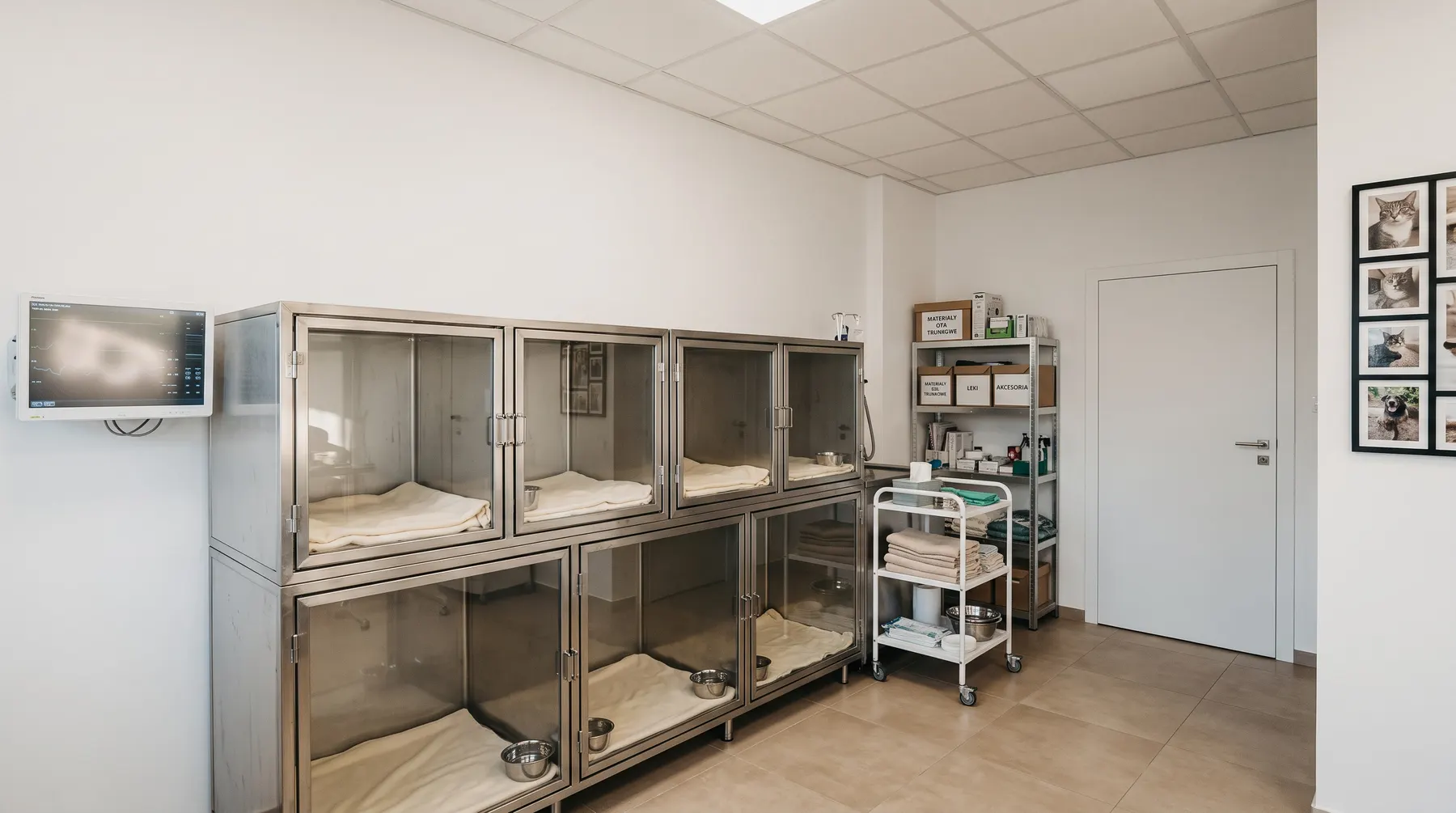
The hospital occupies a large part of the practice's 600 m²: 11 kennels and cages (3 large for the biggest dogs, 3 medium and 5 small), oxygen, infusion pumps, an observation chart and veterinary technicians providing care. Patients recover with us after a procedure.
 In-patient area
 Infusion pump
What it is and how it works
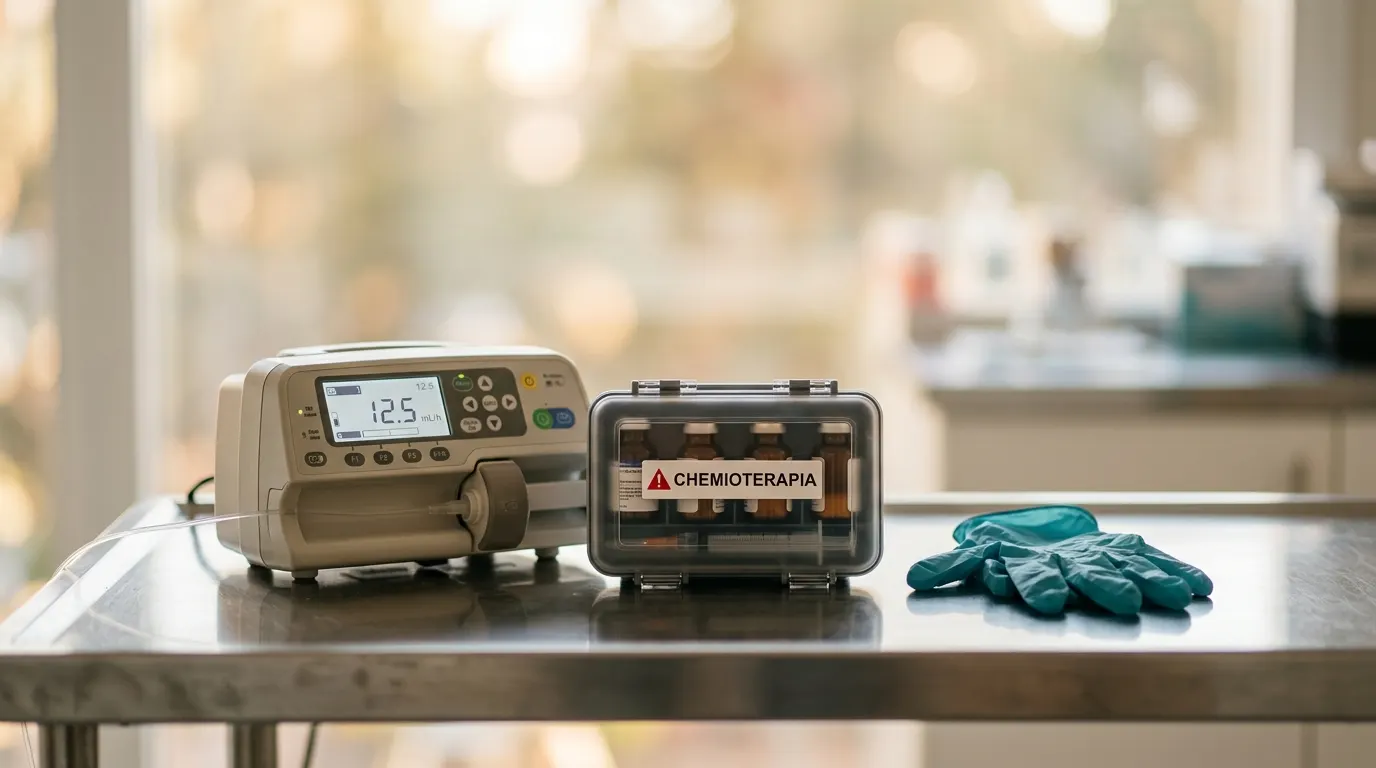
The hospital area consists of hospitalisation kennels with access to oxygen, infusion pumps for precise dosing of fluids and medicines, patient warming and a cat area separated from the dogs. Every patient has an observation chart: temperature, heart rate, breathing, pain on a scale, food intake, recorded at set intervals. The floor area of the practice (600 m²) lets us give a large part of the building to the hospital: there are 11 kennels and cages (3 large for the biggest dogs, 3 medium and 5 small) where animals rest and recover after a procedure, and four veterinary technicians look after the patients. As a result we do not have to send animals home straight after a procedure, and the comfort of working here translates into the quality of the procedures. Oxygen and the equipment needed in emergencies are on site. After a procedure under anaesthesia the patient does not go home straight from the operating table. It stays in the hospital until fully awake, under constant observation: we check body temperature, pain level and the stability of vital signs until the animal regains consciousness, can hold its position unaided and is ready to go home safely. The owner collects an animal that is awake, treated and stable, not unconscious straight after the procedure.
Clinical significance
The owner receives information on the patient's condition (stable, under observation, critical) according to a plan agreed at admission.
Systematic recording of vital signs makes it possible to detect deterioration earlier and adjust treatment.