Specialty

Soft tissue surgery

Abdominal, thoracic and soft tissue procedures — planned and life-saving — in two operating theatres, following written protocols.

18 examinations and procedures12 items of equipment
Scope of this specialty

Examinations, procedures and services

We manage every case individually — the scope, indications and course described above are indicative; the exact diagnostic and treatment plan is agreed during the consultation.

Surgery · procedure

Dog castration

Planned removal of the testes under general anaesthesia with full monitoring. A same-day procedure — the dog goes home the same day with a pain management and check-up plan.

Dog
Surgery · procedure

Cat neutering

A short procedure to remove the testicles of a male cat, under general anaesthesia with monitoring. It reduces urine marking, roaming and fighting; the cat goes home the same day.

Cat
Surgery · procedure

Spaying a bitch (ovariohysterectomy)

Removal of the ovaries and uterus under general anaesthesia with full monitoring. It prevents pyometra and reduces the risk of mammary tumours. A planned procedure, usually a day case.

Dog
Surgery · procedure

Cat spaying

Removal of the ovaries and uterus in a female cat under general anaesthesia. It ends heat cycles and prevents pyometra and unwanted litters. A day-case procedure with written aftercare instructions at discharge.

Cat
Surgery · procedure

Mastectomy — removal of mammary glands affected by a tumour

Surgical removal of mammary tumours with a margin, after staging (chest X-ray, abdominal ultrasound). The tumour is sent for histopathology, which determines the further plan.

DogCat
Surgery · procedure

Caesarean section

Surgical delivery of puppies or kittens when natural birth is not progressing or is dangerous. An urgent procedure during opening hours — call before you come; we book planned caesareans after an ultrasound scan.

DogCatEmergency
Surgery · procedure

Gastropexy — preventive stomach fixation

Planned suturing of the stomach to the abdominal wall in dogs of breeds predisposed to gastric torsion. A preventive procedure, often performed at the same time as neutering.

Dog
Surgery · procedure

Gastric dilatation-volvulus (GDV) — life-saving surgery

An immediately life-threatening condition: a bloated, hard abdomen and unproductive retching in a large dog. We stabilise the patient, decompress the stomach, operate and perform a gastropexy. Call before you come.

DogEmergency
Surgery · procedure

Splenectomy — removal of the spleen

Surgical removal of the spleen for tumours, rupture or torsion of the organ. We perform it as a planned procedure after an ultrasound scan and chest X-ray, or urgently when there is bleeding into the abdominal cavity.

DogCat
Surgery · procedure

Removal of a foreign body from the digestive tract (enterotomy)

Surgical removal of a swallowed object from the stomach or intestines when it cannot be retrieved with an endoscope. X-ray and ultrasound diagnostics on site, hospitalisation after the procedure.

DogCatEmergency
Surgery · procedure

Cystotomy — removal of bladder stones

Opening the bladder and removing stones that will not dissolve with diet or that block the flow of urine. We send the stones for analysis so that we can choose how to prevent recurrence.

DogCat
Surgery · procedure

Pyometra — surgery

Purulent inflammation of the uterus in unspayed bitches and female cats — an urgent condition. We diagnose it with ultrasound and blood tests, operate to remove the uterus together with the ovaries, and treat the patient as an in-patient.

DogCatEmergency
Surgery · procedure

Removal of skin and subcutaneous tumours

Surgical excision of lumps, sebaceous cysts, lipomas and suspicious lesions — after preliminary cytology, with an appropriate margin. We send every removed lesion for histopathology.

DogCat
Surgery · procedure

Hernia surgery (umbilical, inguinal, perineal)

Closure of an opening in the abdominal wall or perineum through which organs protrude. Planned for small hernias, urgent when a trapped intestine or bladder is life-threatening.

DogCat
Surgery · procedure

Correction of brachycephalic obstructive airway syndrome (BOAS)

Surgical widening of the nostrils and shortening of the soft palate in flat-faced breeds that snore, tire easily and tolerate heat poorly. The procedure is performed with extended anaesthetic supervision.

DogCat
Surgery · procedure

Surgical treatment of wounds, bites and injuries

Cleaning, flushing and closure of bite wounds, cuts, lacerations and injuries after accidents. First an assessment of the whole patient (X-ray, ultrasound), then surgery — during opening hours, without a referral.

DogCatEmergency
Surgery · procedure

Ear surgery (aural haematoma, ear canal ablation)

From surgery for an aural haematoma to complete removal of the ear canal in irreversible inflammation. The decision is preceded by video-otoscopy and an assessment of whether conservative treatment still makes sense.

DogCat
Surgery · procedure

Limb or tail amputation

Removal of a limb or tail when it cannot be saved or its function restored — because of a tumour, a severe injury or irreversible nerve damage. Dogs and cats adapt to life on three legs very well.

DogCat
Conditions and symptoms within our scope

What patients come to us with

An emergency? During opening hours, call before you come — no referral needed.

Mon–Fri 9–19, Sat 9–13 · tel. +48 74 660 62 68. Outside opening hours, on Sundays and on public holidays, the nearest 24-hour animal hospitals are SKVet Klinika Weterynaryjna (ul. Stabłowicka 109b, Wrocław, tel. 791 998 999) and Klinika Psa i Kota (ul. B. Krzywoustego 105/22, 51-166 Wrocław, tel. 71 339 82 48).

Benign prostatic hyperplasiaan enlarged prostate presses on the urethra and rectum; neutering removes the hormonal cause of the enlargement.
Testicular tumourscommon in older dogs; castration is both the treatment and a way of obtaining material for histopathology.
Cryptorchidisman undescended testicle carries a many times higher risk of developing a tumour and should be removed.
Perineal herniatestosterone-dependent weakening of the tissues around the anus; neutering is part of the treatment.
Perianal adenomashormone-dependent lesions that often shrink after neutering.
Cryptorchidisman undescended testicle lies in the inguinal canal or the abdominal cavity and requires a separate surgical approach.
Bite abscessescommon in unneutered male cats that go outdoors; neutering reduces the number of fights.
Urine markinga hormone-dependent behaviour that stops after the procedure in most cats.
Testicular tumoursrare in cats, but possible in older unneutered males.
Pyometrapurulent inflammation of the uterus in unspayed bitches; spaying performed earlier rules it out completely.
Ovarian cystscause prolonged heats and hormonal disturbances.
False pregnancyrecurring after every heat, distressing for both the dog and the owner.

Equipment and procedures we rely on

Facilities for this specialty

Each item has its own page: what it is, what it is used for and what it offers the animal.

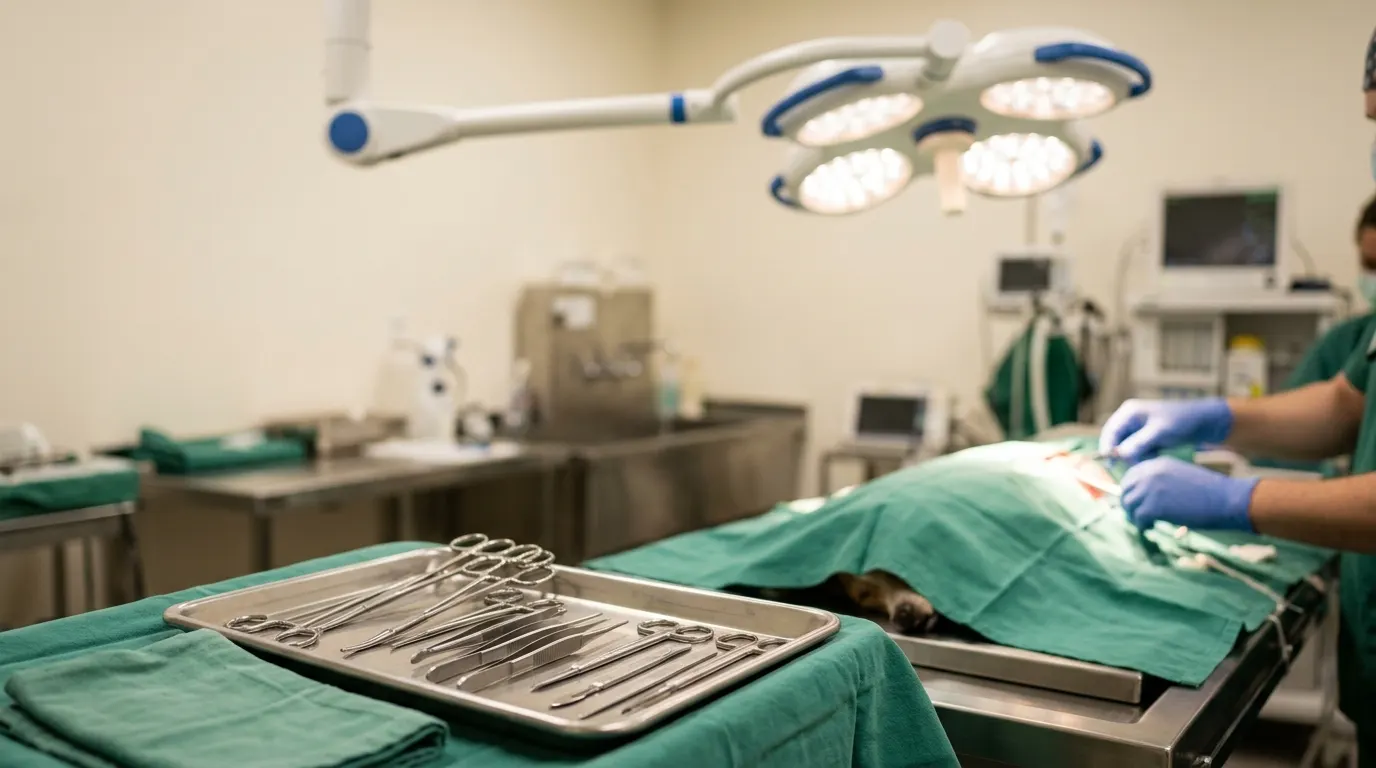
Operating suite — two theatresOperating suite

Operating suite — two theatres

Two theatres with separate purposes: clean surgery and all other procedures. Each has a full anaesthesia station.

View
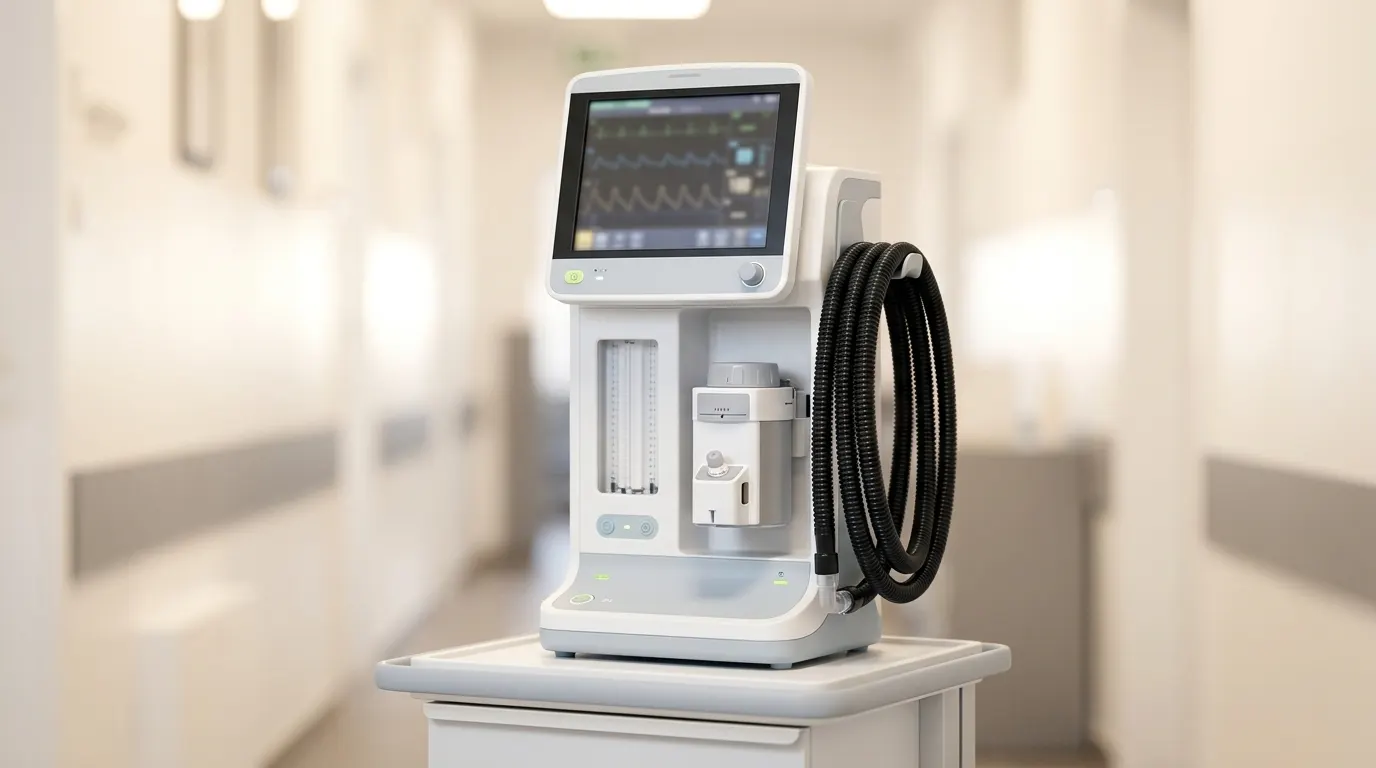
Anaesthesia station and monitoringAnaesthesiology

Anaesthesia station and monitoring

An inhalation anaesthesia machine with a ventilator and a vital signs monitor: ECG, saturation, capnography, blood pressure, temperature.

View
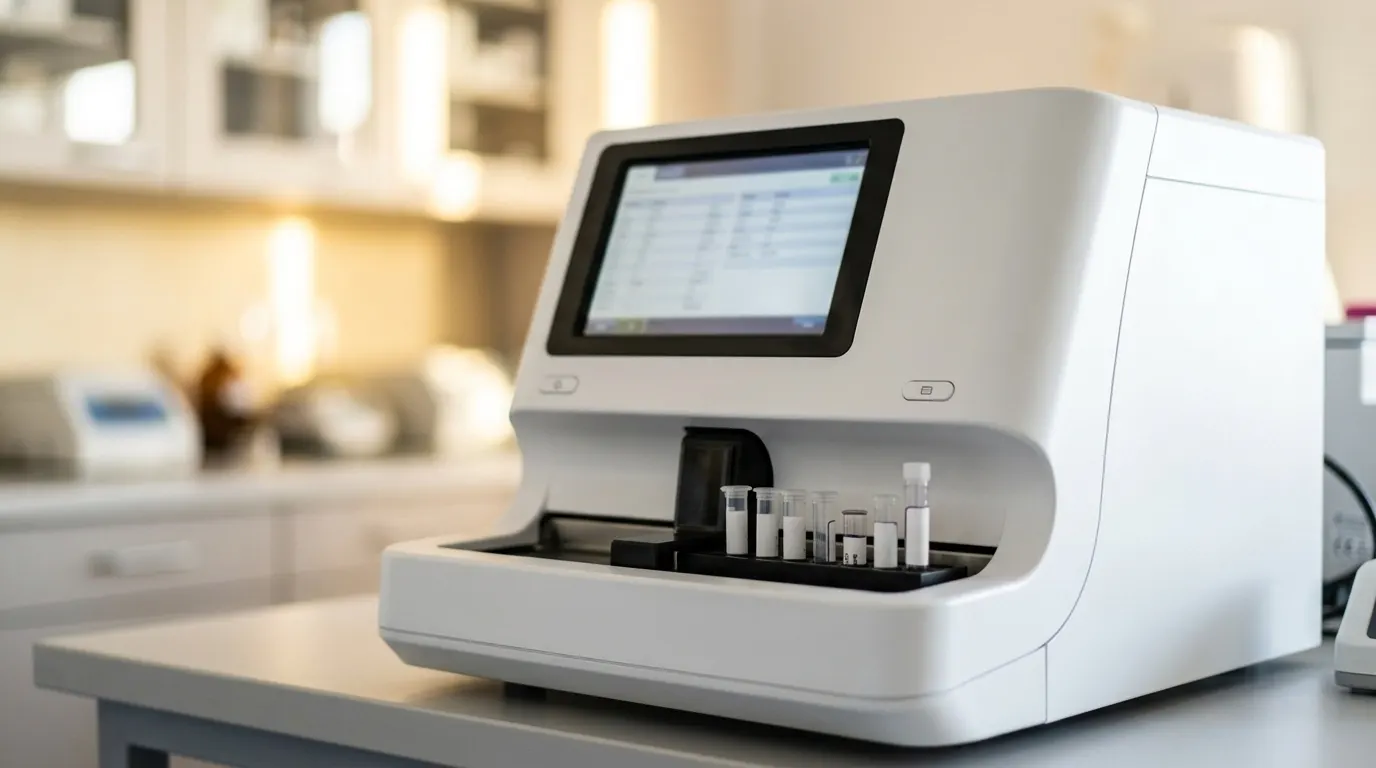
On-site laboratoryLaboratory

On-site laboratory

Haematology and biochemistry analysers, urinalysis, a microscope for cytology — critical values are available within minutes.

View
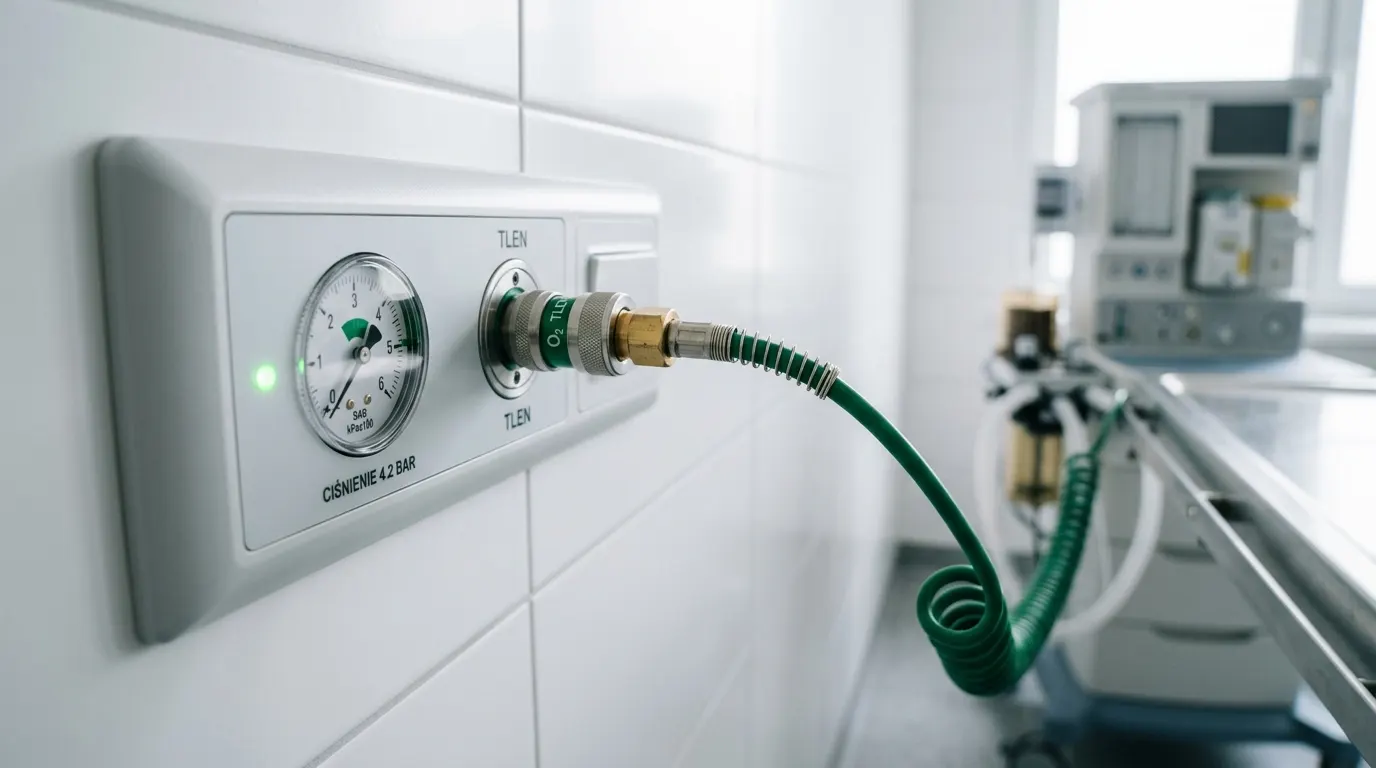
Central medical gas installationMedical infrastructure

Central medical gas installation

A permanent piped installation distributing medical oxygen from a central source to outlets in both operating theatres.

View
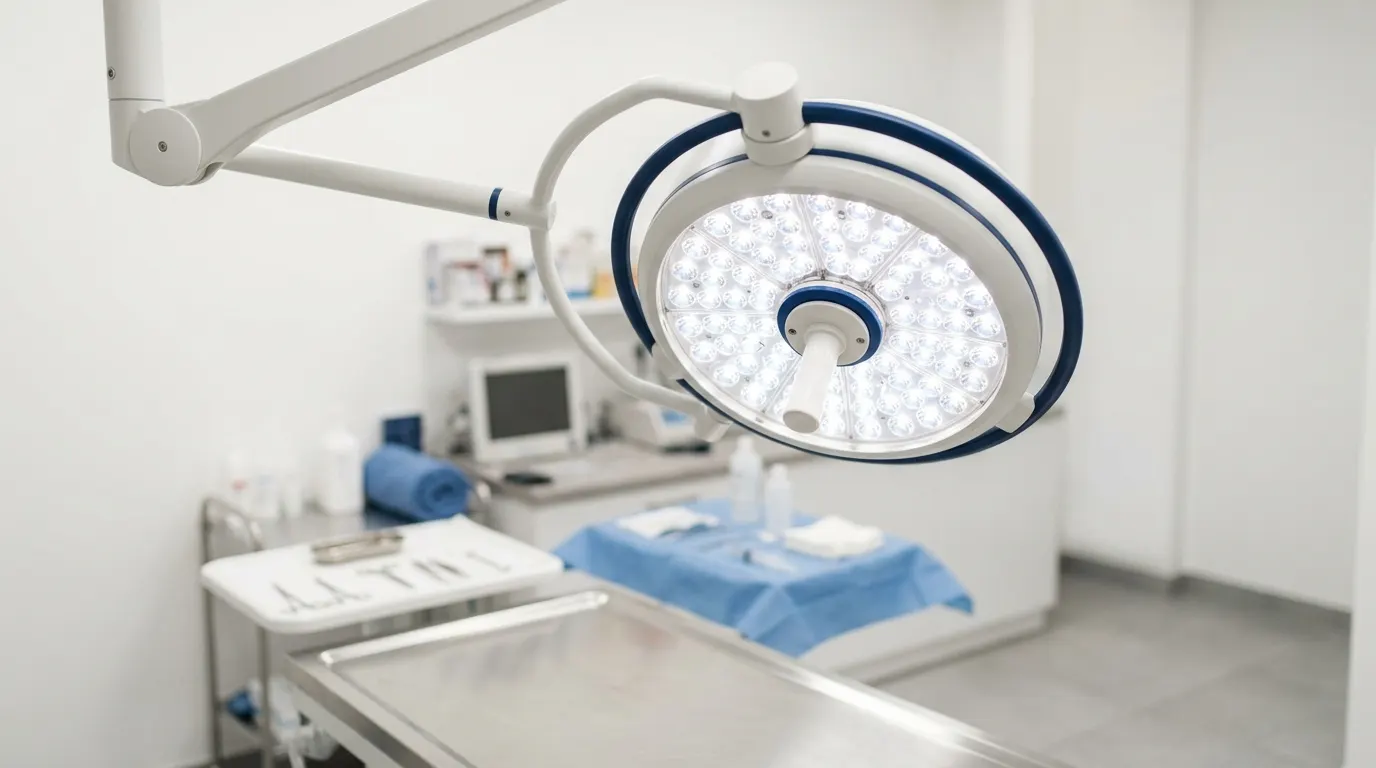
Procedure and surgical lightsOperating suite

Procedure and surgical lights

Modern shadowless procedure and surgical lights in the consulting rooms and the operating suite — adjustable light intensity and colour temperature, with an arm that reaches the whole operating field.

View
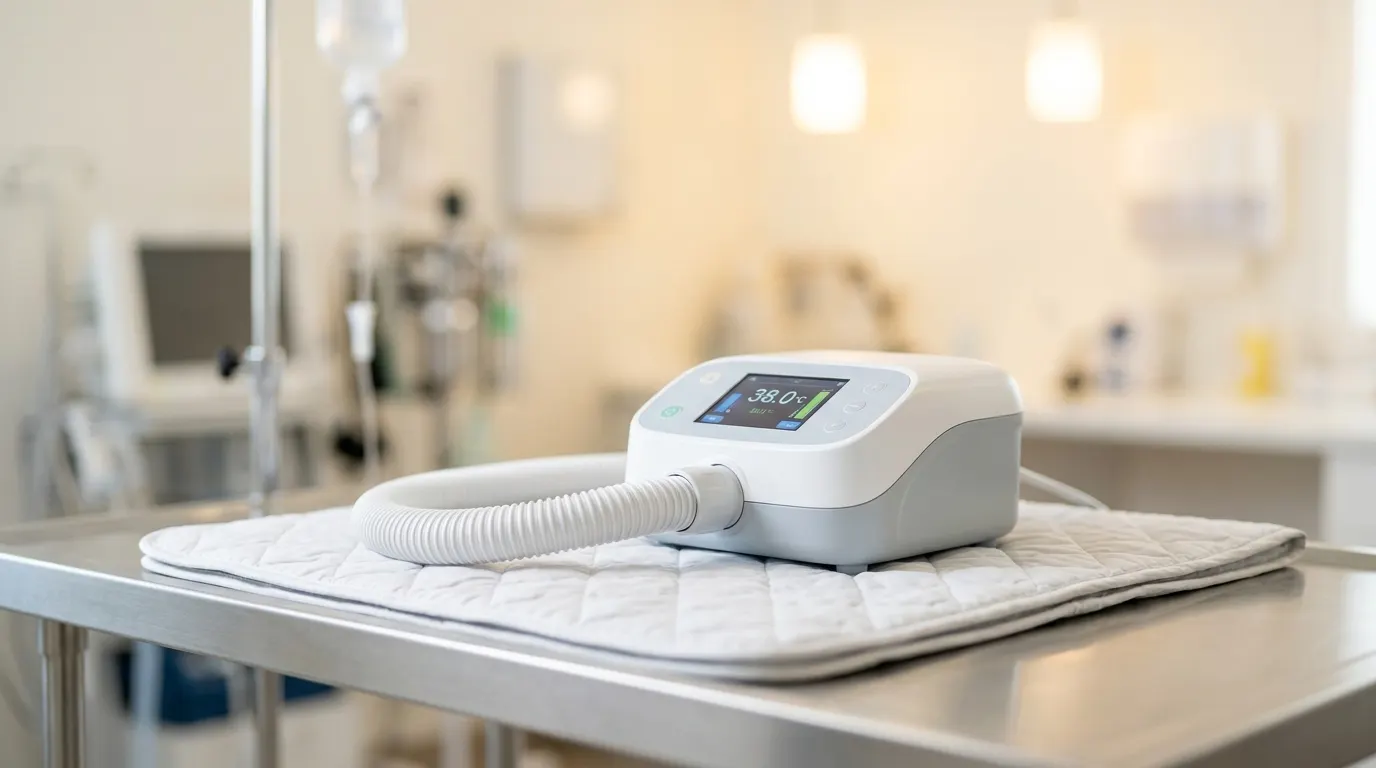
Patient warming systemAnaesthesiology

Patient warming system

Active warming of the patient during the procedure and recovery — preventing hypothermia, the most common complication of anaesthesia.

View
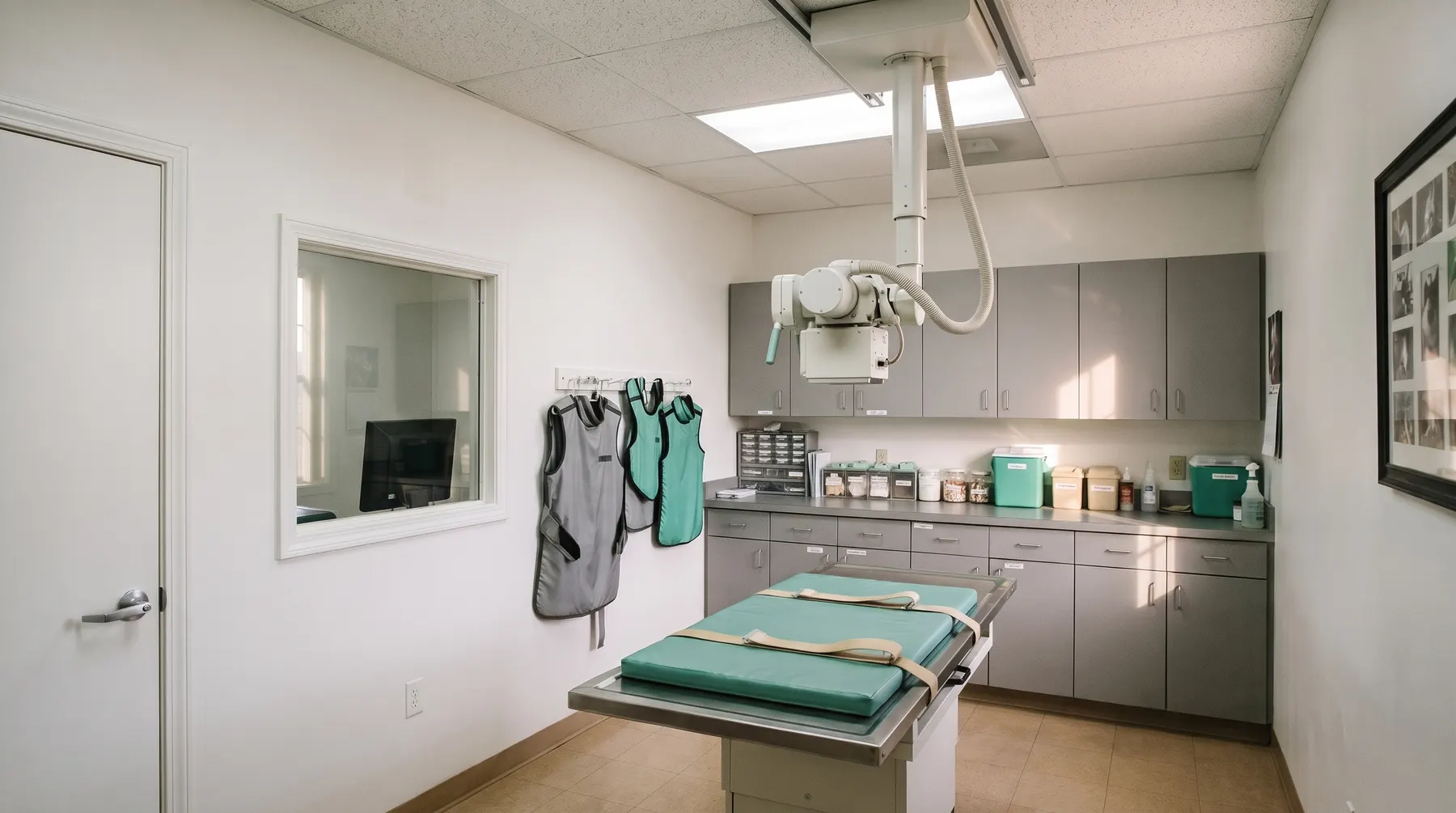
Digital X-rayImaging

Digital X-ray

A digital X-ray unit — the image is ready in a dozen or so seconds, with no film processing, and can be processed digitally and sent to the referring veterinarian.

View
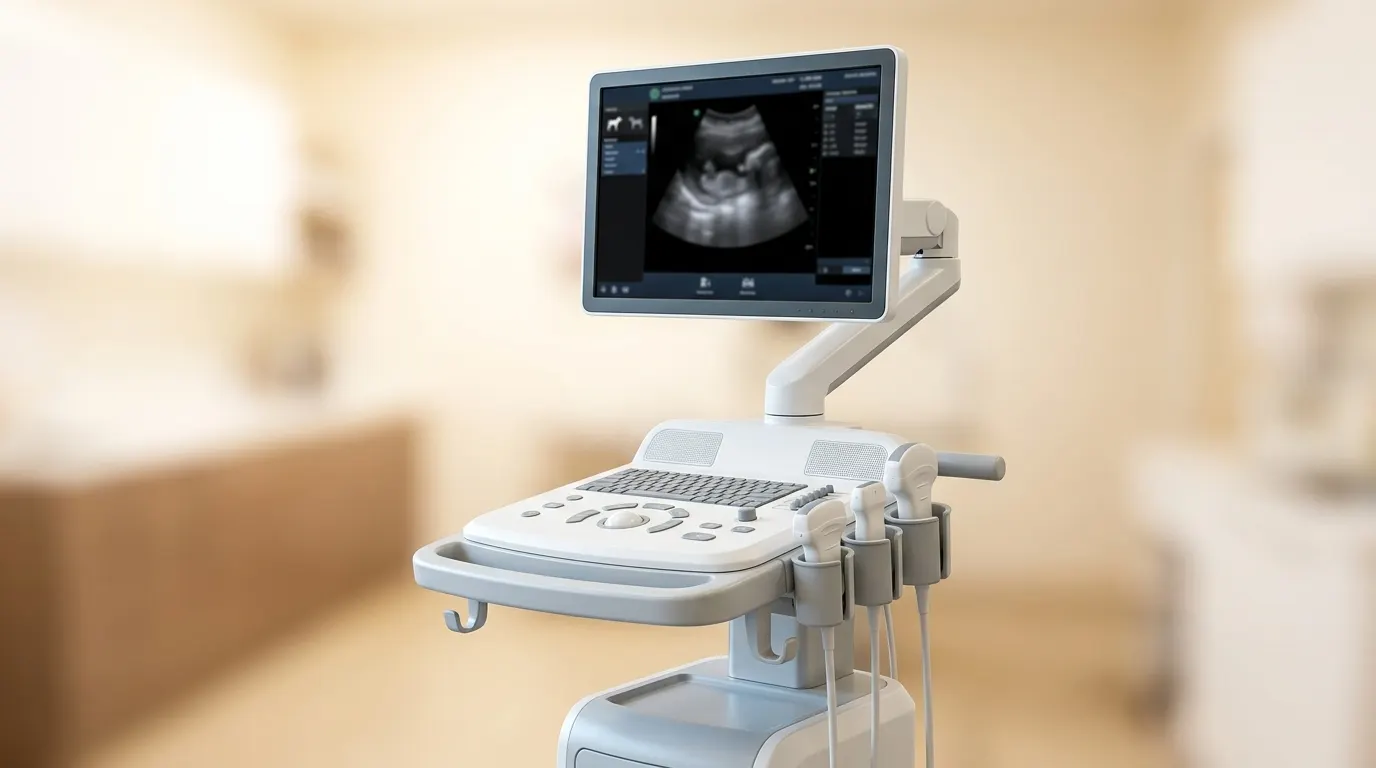
Ultrasound scannerImaging

Ultrasound scanner

An ultrasound machine with probes for examining the abdomen, chest, heart (echocardiography) and superficial tissues.

View
Electrosurgery (electrocautery)Operating suite

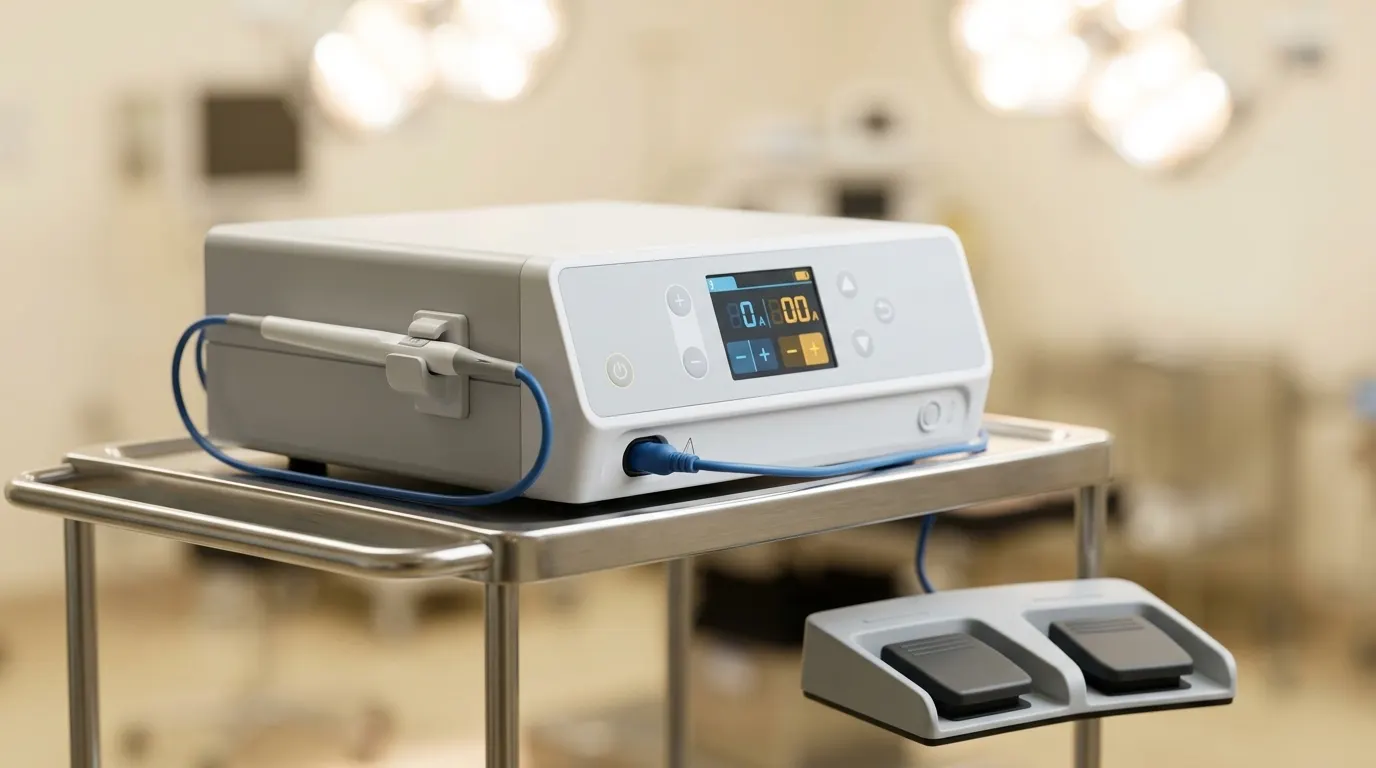
Electrosurgery (electrocautery)

Precise cutting and coagulation of blood vessels with high-frequency current — less bleeding and a shorter procedure.

View
Incubator for patientsHospitalisation

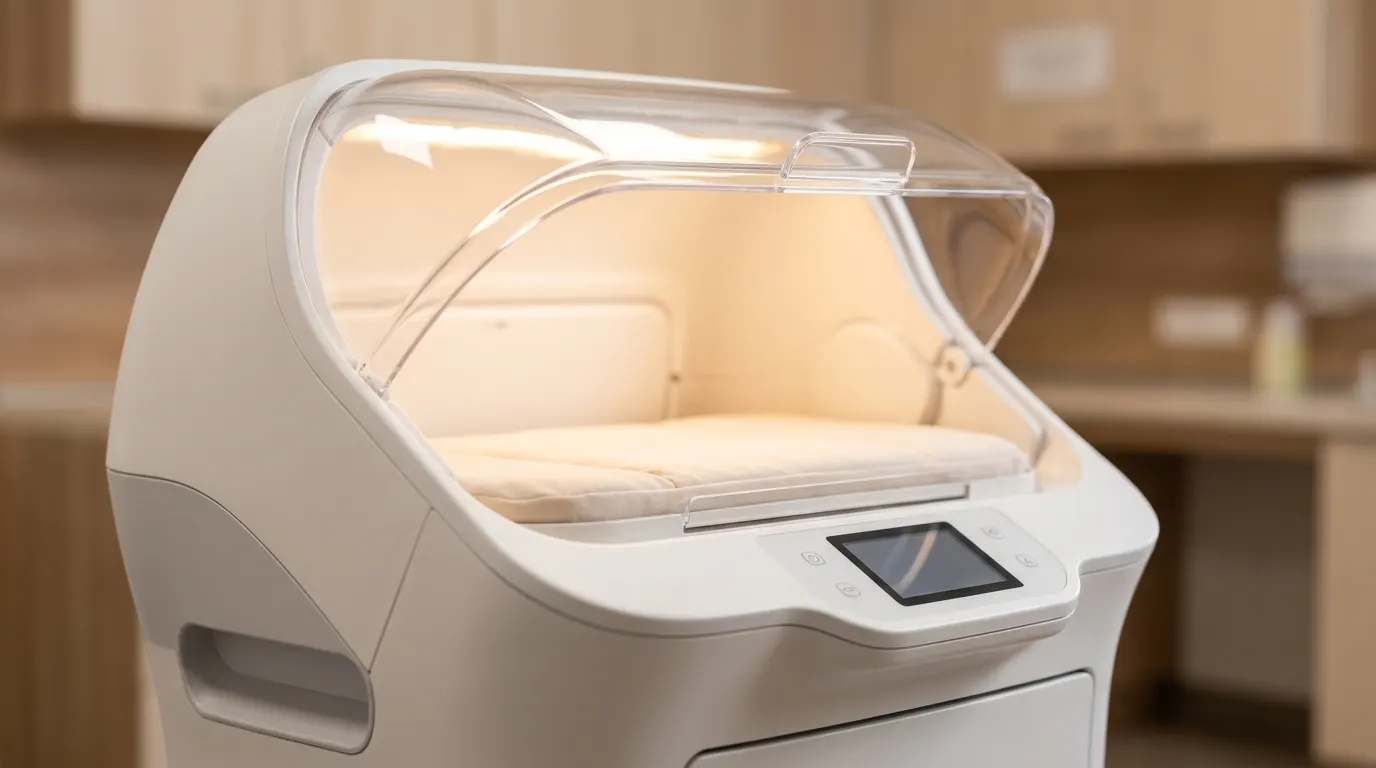
Incubator for patients

A chamber with controlled temperature, humidity and oxygen supply for newborns, patients with hypothermia and patients in a serious condition.

View
In-patient hospital — hospitalisation stationsHospitalisation

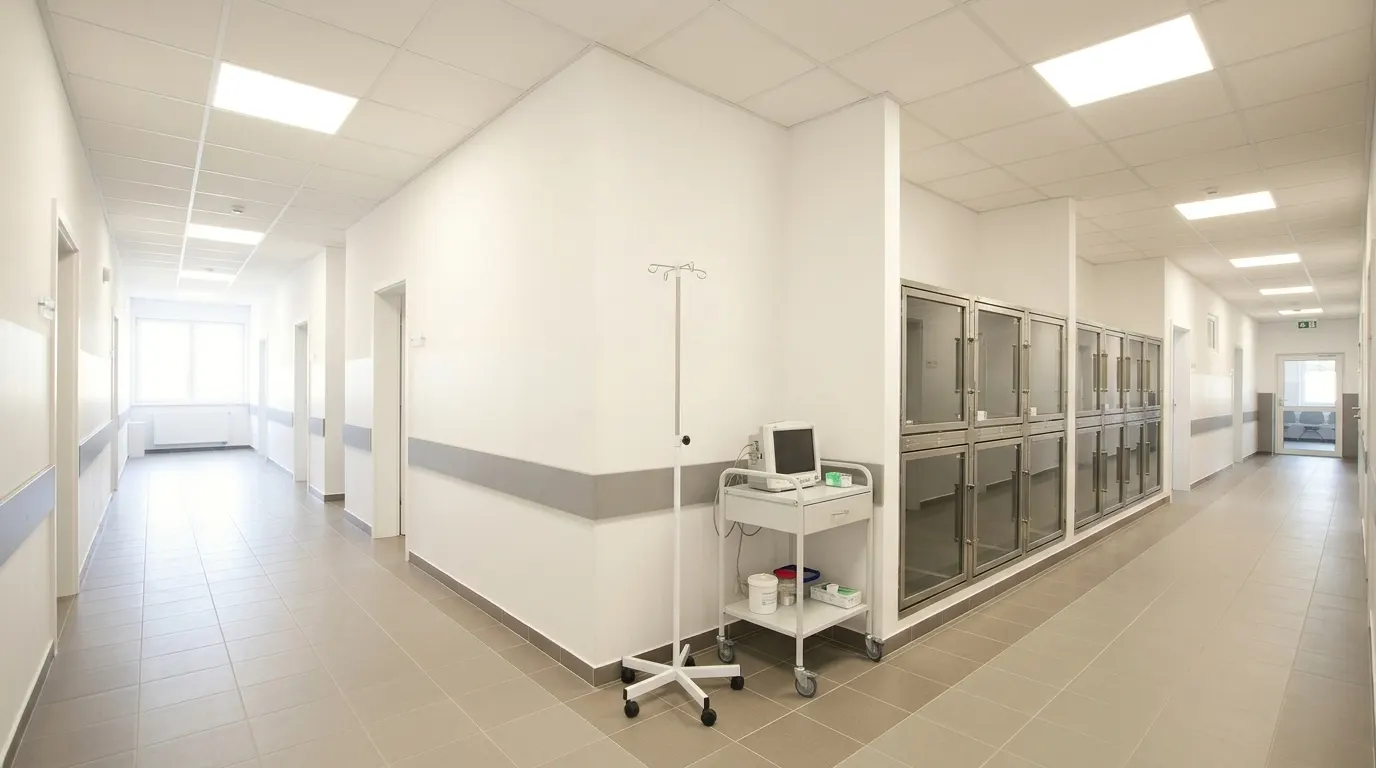
In-patient hospital — hospitalisation stations

Separate stations for dogs and cats, infusion pumps, oxygen therapy, an observation chart with parameters at fixed intervals.

View
Veterinary endoscopeEndoscopy

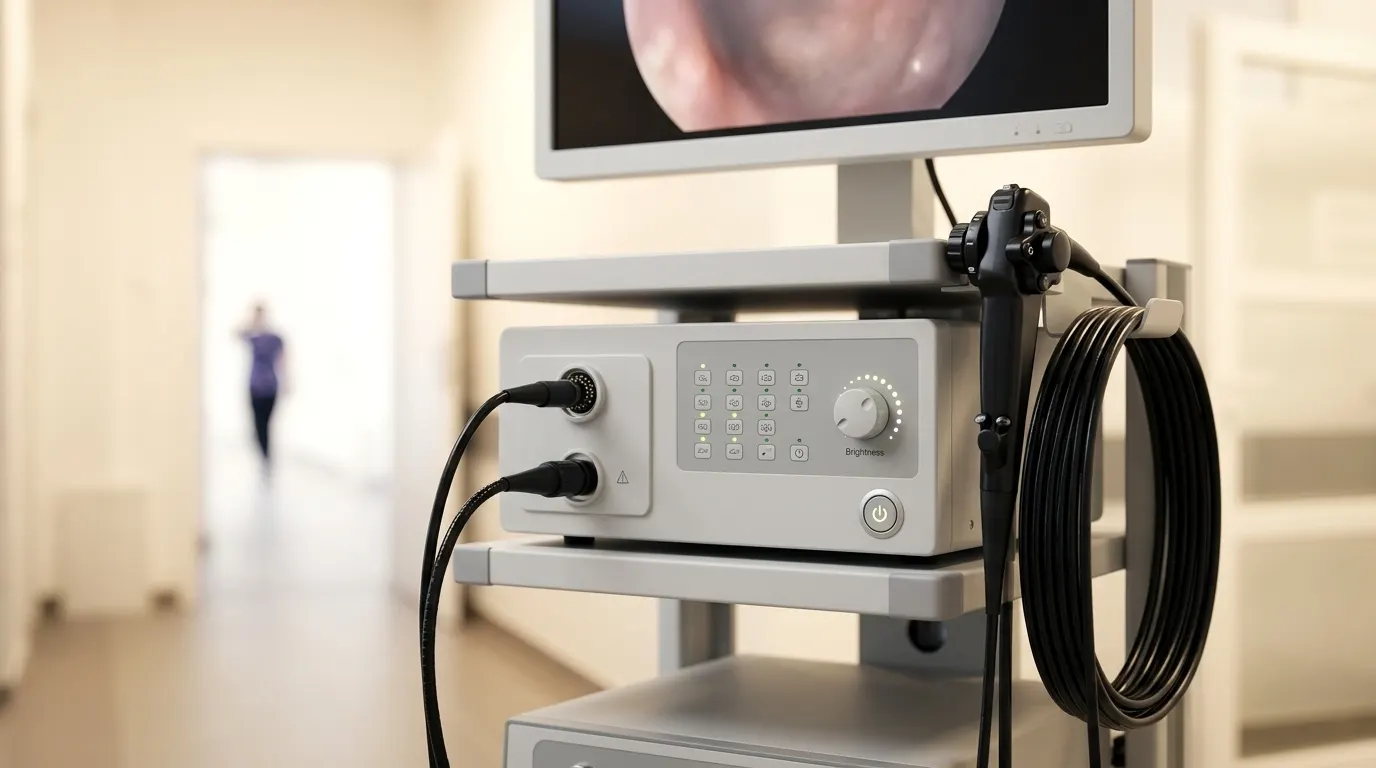
Veterinary endoscope

A flexible video endoscope for examining the digestive and respiratory tracts, and a set of instruments for taking biopsies and removing foreign bodies.

View
Lead veterinarian for the specialty

Who manages the patients’ care

Profile photo
plain background
Founder of the practice · surgery (now retired)

Andrzej Hołdowański, DVM

Founder of the practice and its first-generation veterinarian. Now retired — his approach to standards and quality of care remains the foundation on which today's team is built.

Profile photo
plain background
Practice manager · lead veterinarian · surgery, orthopaedics, radiology

Eliza Hołdowańska-Kroczak, DVM

She runs the operating theatre and supervises surgical protocols. She represents the second generation of the practice — and the first to take it to referral level. Radiology specialist. She is the formal head of the veterinary treatment facility and is responsible for the duties imposed by the Veterinary Chamber. Joanna Paterak looks after the day-to-day administration of the practice.

Profile photo
plain background
Veterinarian · surgery, neurology and internal medicine

Kamil Łazarski, DVM

Soft-tissue surgery, neurology and internal medicine. He devotes every spare moment to deepening his knowledge and trying new approaches. He stands out for his perceptiveness and consistent development of his own skills, and in the team he is surrounded by knowledge, enthusiasm and passion.

See the whole team
Frequently asked questions

Owners’ questions

Will my dog gain weight after neutering?

Energy requirements fall by about 20–30%. If the portions stay the same, the dog will indeed put on weight. After the procedure we discuss adjusting the amount of food.

Will my cat stop marking after neutering?

In most cats the marking stops within a few weeks. The longer the habit has been established, the greater the risk that some of the behaviour will remain — which is why we recommend the procedure before sexual maturity.

Should I spay before the first heat?

Spaying before the first heat gives the greatest protection against mammary tumours, but in large breeds spaying too early may affect skeletal development. We choose the timing according to the dog's breed and size.

Does a female cat need to have a heat or a litter first?

No. Spaying before the first heat is safe and gives the best protection against mammary tumours.

Do all the mammary glands have to be removed?

Not always. The extent depends on the number and location of the tumours and on the lymphatic drainage.

Start with a conversation.

Reception will assess your enquiry and book an appointment with the right veterinarian.

This page is a translation of the Polish original. In case of doubt, the Polish version prevails. Polski