Home/Specialties/Cardiology
Specialty

Cardiology

Echocardiography, ECG, blood pressure measurement and management of cardiac patients — including cardiac assessment before anaesthesia.

6 examinations and procedures5 items of equipment
Scope of this specialty

Examinations, procedures and services

We manage every case individually — the scope, indications and course described above are indicative; the exact diagnostic and treatment plan is agreed during the consultation.

Cardiology · consultation

Cardiology consultation

A full cardiac assessment for dogs and cats — from a murmur found at vaccination to the long-term management of chronic disease. A heart ultrasound usually on the same day, with the plan and check-up dates in writing.

DogCat
Cardiology · examination

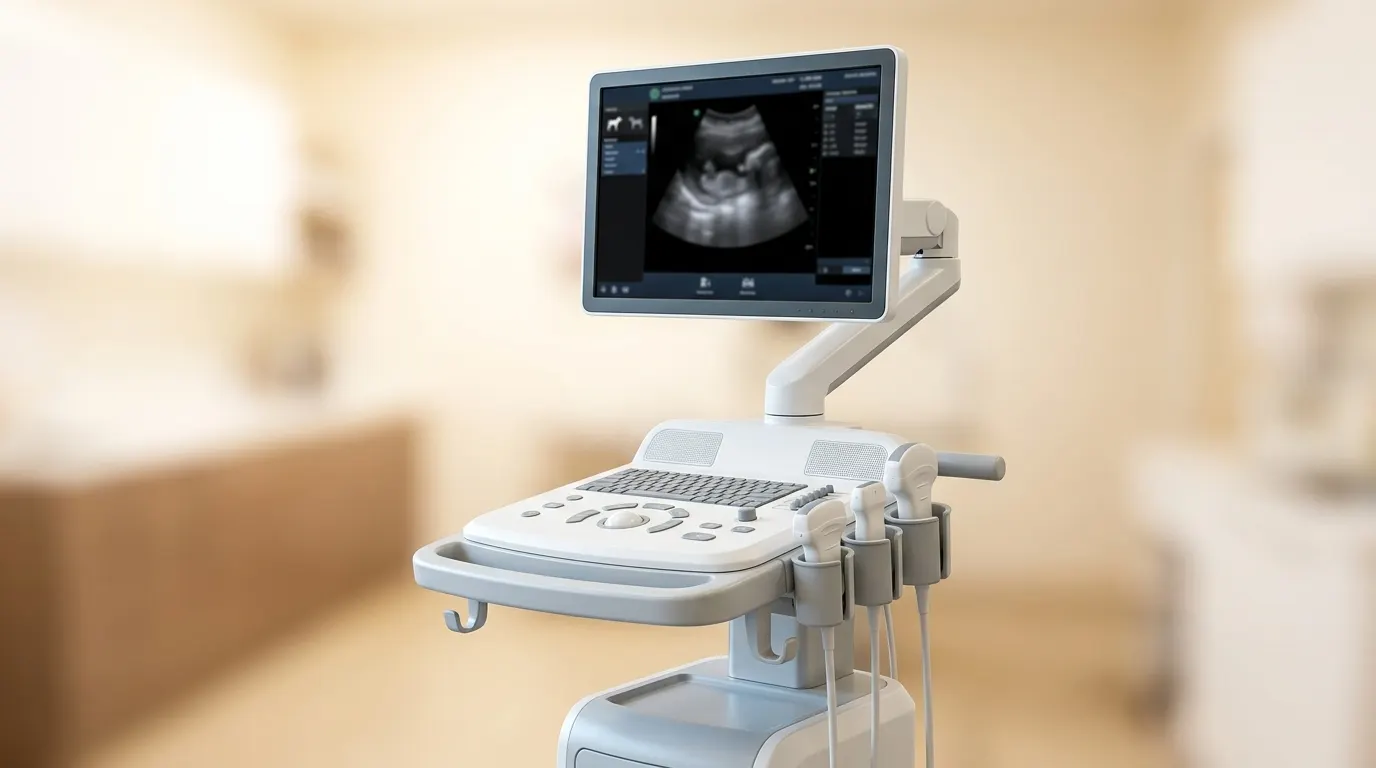
Echocardiography (heart ultrasound)

Heart ultrasound with assessment of blood flow (Doppler) — the basic examination for diagnosing heart disease in dogs and cats. No sedation, painless, with the result and plan discussed on the same day.

DogCat
Cardiology · examination

ECG

A recording of the heart's electrical activity — the examination of choice for fainting, an irregular pulse and suspected arrhythmia, and also part of the pre-anaesthetic assessment. Painless, taking 10–20 minutes.

DogCat
Cardiology · examination

Blood pressure measurement

Non-invasive measurement of blood pressure — essential in older cats and in patients with kidney, thyroid or heart disease. It detects hypertension before it damages the eyes, kidneys and brain.

DogCat
Cardiology · examination

Cardiac pre-anaesthetic assessment

Assessment of the heart before anaesthesia in patients at higher risk: seniors, cats of breeds predisposed to HCM, and animals with a murmur or heart disease. The result changes how the anaesthetic is managed and only rarely rules it out.

DogCat
Cardiology · treatment

Treatment of heart failure and cardiomyopathy

Care of dogs and cats with valve disease, cardiomyopathy and heart failure: from the first medication to stabilising acute breathlessness in our in-patient hospital. Treatment as an ongoing process with a schedule of check-ups.

DogCat
Conditions and symptoms within our scope

What patients come to us with

Myxomatous mitral valve disease (MMVD)degeneration of the mitral valve, the most common heart disease in small dogs.
Dilated cardiomyopathy (DCM)weakening of the heart muscle in large-breed dogs.
Hypertrophic cardiomyopathy (HCM)thickening of the heart walls in cats, which for a long time causes no symptoms.
Heart rhythm disordersfrom mild to life-threatening, requiring an ECG.
Congenital heart defects (PDA, aortic or pulmonary stenosis)in puppies and kittens.
Hypertensionin older cats, often secondary to kidney or thyroid disease.
Pulmonary hypertensiona consequence of lung and heart disease, which worsens the prognosis.
Myxomatous mitral valve disease (MMVD) in dogsan echocardiogram determines the stage (B1/B2) and when to start treatment.
Hypertrophic cardiomyopathy (HCM) in catsthickening of the walls of the left ventricle, and assessment of the risk of thromboembolism.
Dilated cardiomyopathy (DCM)enlarged chambers and weakened contraction in large-breed dogs.
Congenital defects: patent ductus arteriosus (PDA), aortic and pulmonary stenosis, septal defects.
Pericardial effusioncommon with heart tumours, requires urgent diagnostics.
Lead veterinarian for the specialty

Who manages the patients’ care

Profile photo
plain background
Lead veterinarian · cardiology

Kamil Kolanek, DVM

Echocardiography, ECG and management of cardiac patients, including cardiac assessment before anaesthesia. He combines warmth towards animals with patience towards owners and a great passion for cardiology. His help is needed wherever we perform procedures and wherever owners are looking for answers about what is wrong with their animal. He devotes himself to this field with exceptional talent.

See the whole team
Frequently asked questions

Owners’ questions

Is a heart murmur always a sign of disease?

No. Some murmurs in puppies and cats are innocent, and in adult dogs mild valve disease may not need treatment for years. A heart ultrasound settles the question.

Does a heart ultrasound hurt or require anaesthesia?

No. The examination is painless and done without sedation; the animal lies on its side, and we work calmly and without force.

Is an ECG enough to assess the heart?

No. An ECG assesses the rhythm but does not show the valves or the heart muscle. With a murmur or suspected heart failure, an echocardiogram is needed.

Is blood pressure measurement stressful for a cat?

We try to make sure it is not: a quiet room, time to settle in, the owner present, a soft cuff. We do not restrain the cat by force.

Can an animal with heart disease have a general anaesthetic?

In most cases yes — provided the protocol and monitoring are adapted. We postpone the procedure only when heart failure is unstable, until it has been brought under control.

Start with a conversation.

Reception will assess your enquiry and book an appointment with the right veterinarian.

This page is a translation of the Polish original. In case of doubt, the Polish version prevails. Polski