Home/Specialties/Orthopaedics
Specialty

Orthopaedics and joint surgery

Fractures, ruptured ligaments, patellar luxation and dysplasia — from imaging, through the procedure, to a plan for returning to full activity.

7 examinations and procedures7 items of equipment
Scope of this specialty

Examinations, procedures and services

We manage every case individually — the scope, indications and course described above are indicative; the exact diagnostic and treatment plan is agreed during the consultation.

Orthopaedics · consultation

Orthopaedic consultation and examination (lameness)

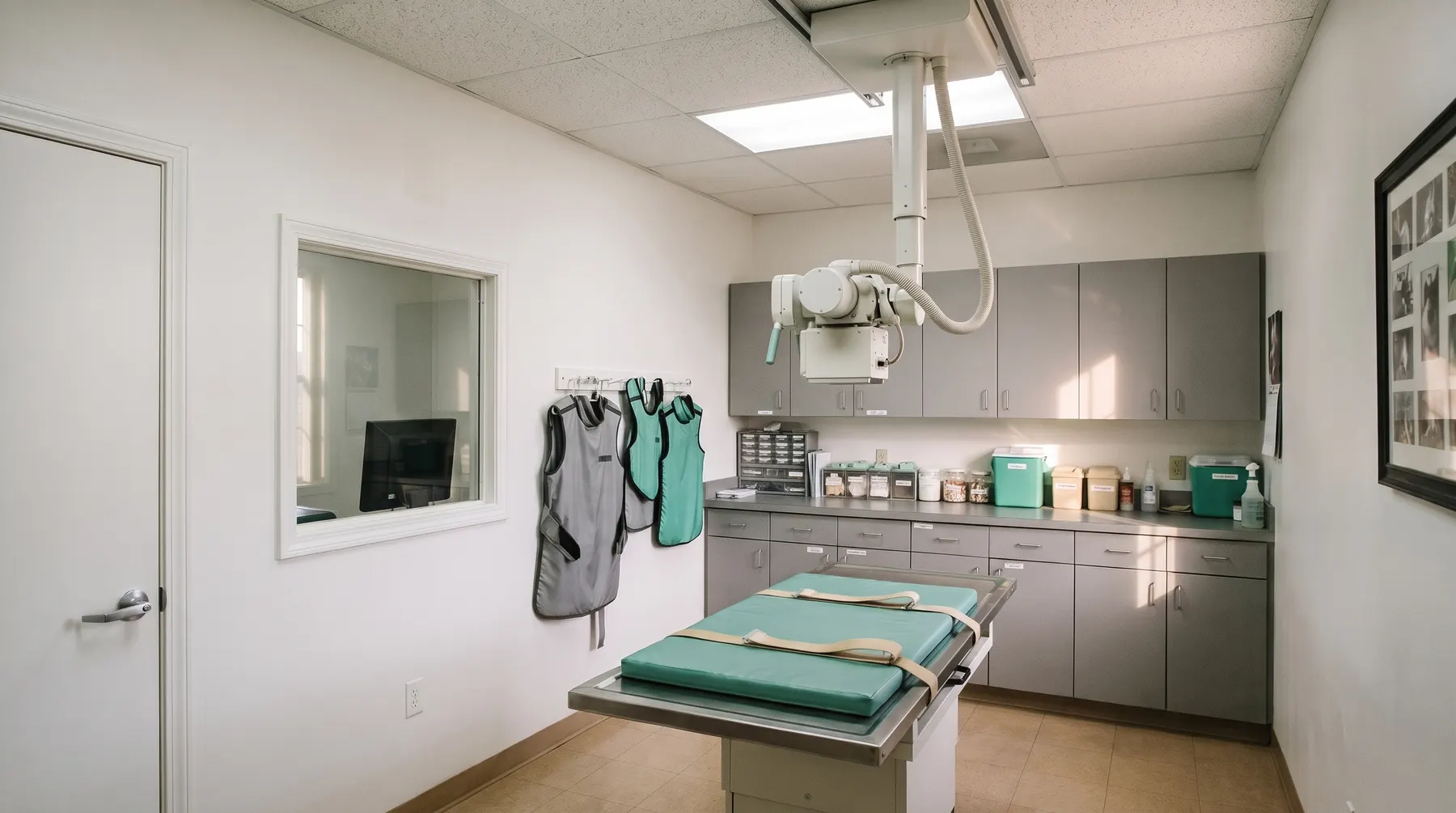
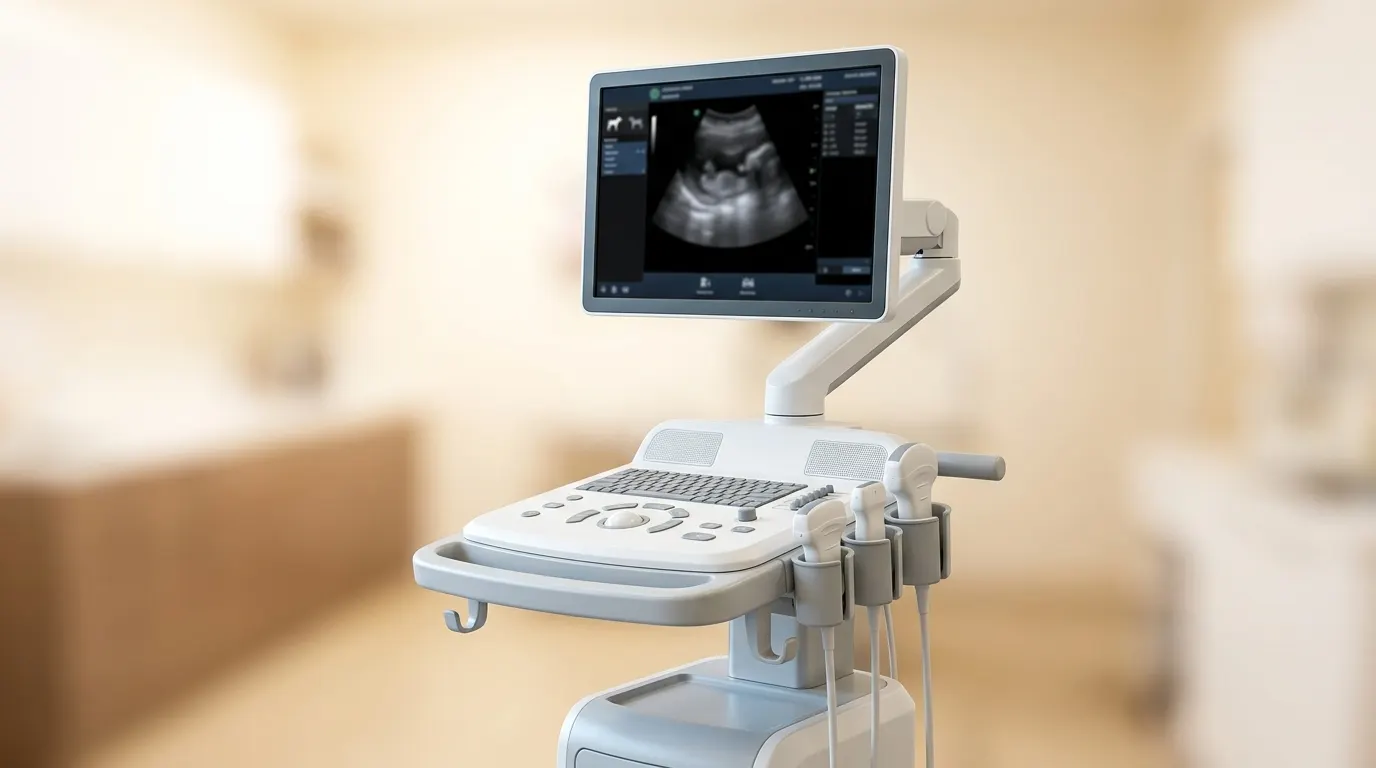
Assessment of lameness and musculoskeletal pain: orthopaedic examination, joint tests, digital X-ray and ultrasound on site. The result of the visit is a specific diagnosis or a plan for further diagnostics.

DogCat
Orthopaedics · procedure

TPLO — treatment of a ruptured cruciate ligament

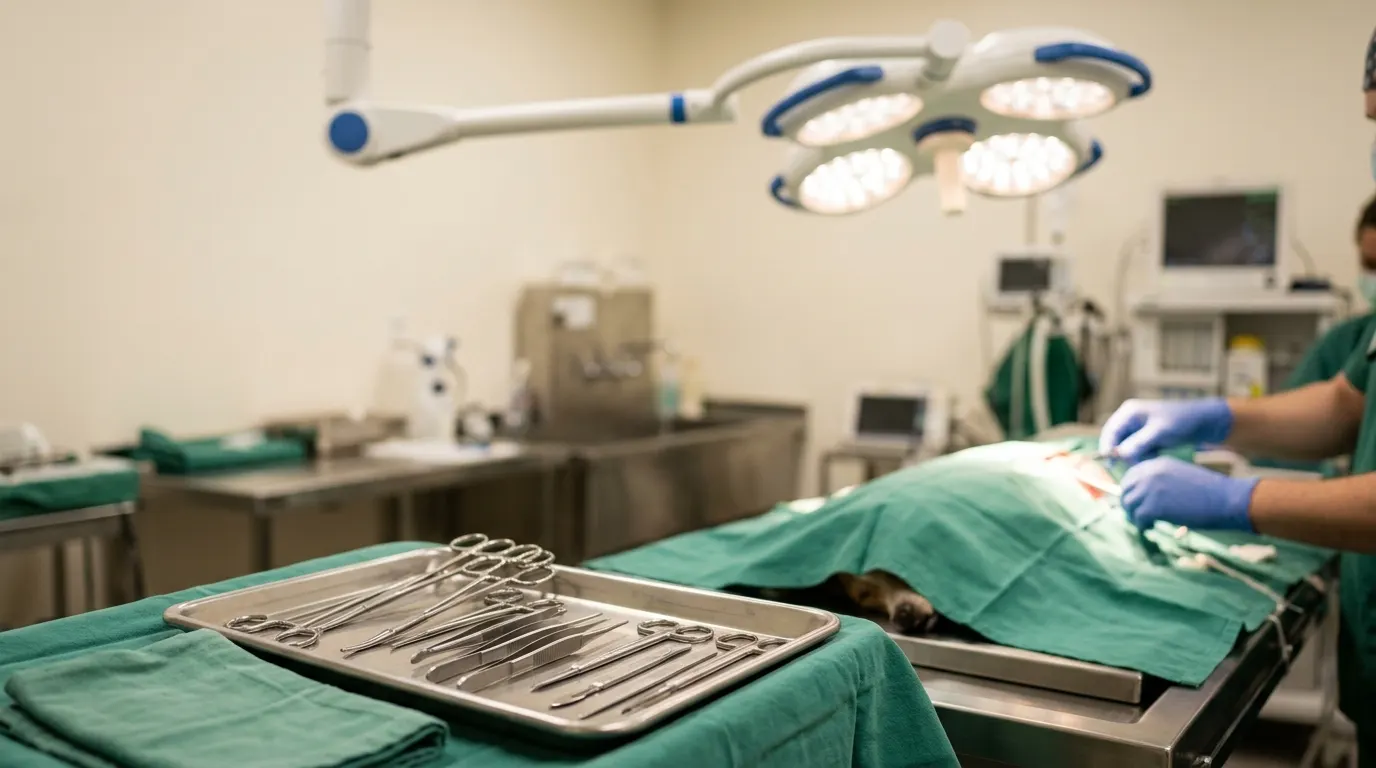
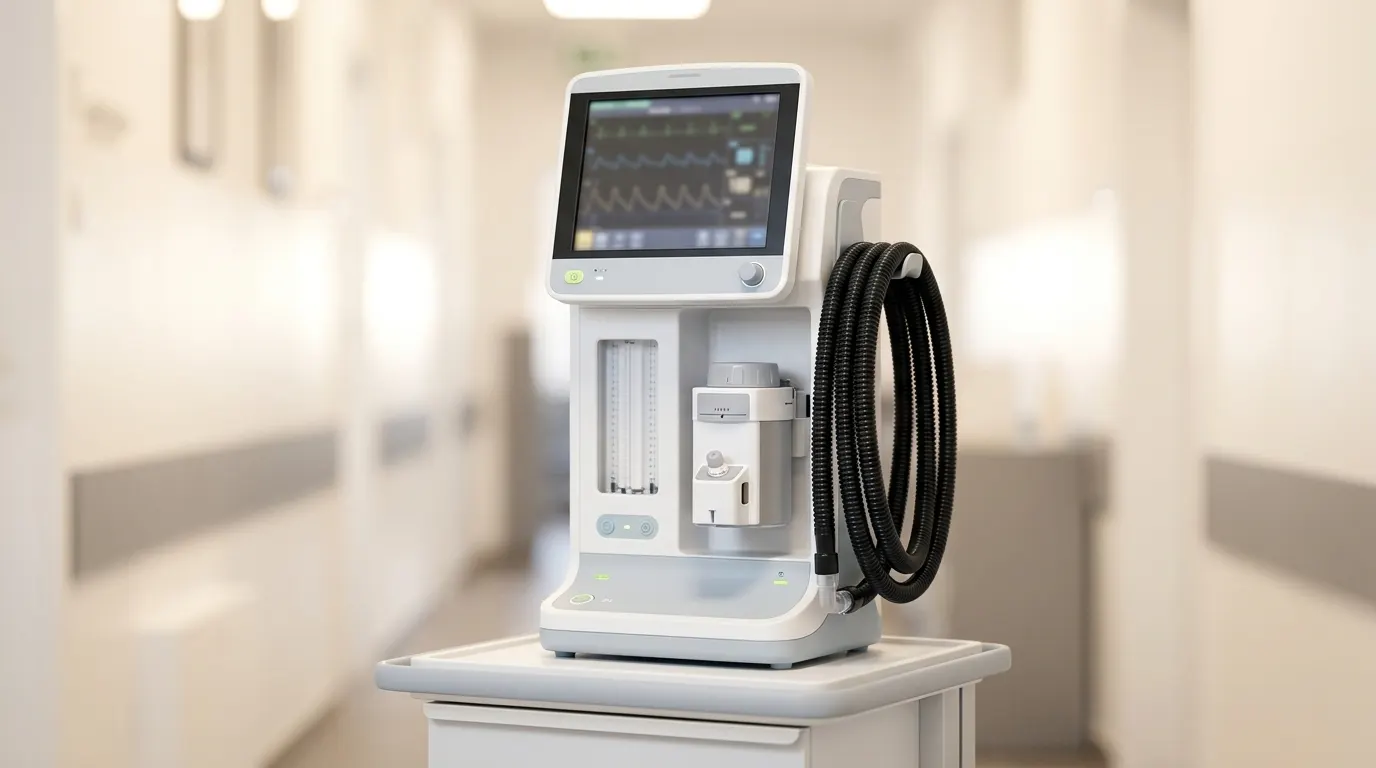
Surgery to stabilise the knee after a rupture of the cranial cruciate ligament in a dog. Planned using X-rays and performed under general anaesthesia with full monitoring, with a clear recovery plan.

Dog
Orthopaedics · procedure

Patellar luxation surgery

Surgical correction of a kneecap that slips out of the groove of the femur. The procedure is chosen according to the grade of luxation and the structure of the limb, and assessed on X-ray before and after surgery.

DogCat
Orthopaedics · procedure

Fracture treatment (osteosynthesis)

Surgical fixation of broken bones in dogs and cats after injuries: from stabilising the patient and X-ray, through surgery with an implant, to checking that the bone has healed. During opening hours we see patients without a referral — call before you come.

DogCatEmergency
Orthopaedics · examination

Diagnosis of hip and elbow dysplasia

Orthopaedic examination and digital X-ray under sedation to check for hip and elbow dysplasia — in puppies (early assessment), in dogs with symptoms and for breeding purposes.

Dog
Orthopaedics · procedure

Femoral head ostectomy (FHO)

A salvage procedure that restores comfortable movement when the hip joint is irreversibly damaged, in cats and in small and medium-sized dogs: removal of the head and neck of the femur, after which a pain-free “false joint” forms.

DogCat
Orthopaedics · treatment

Treatment of osteoarthritis and chronic pain

Long-term care of a dog or cat with painful joints: diagnosis on X-ray, an individual pain management plan (medication, nutrition, activity) and regular checks of how well it is working.

DogCat
Conditions and symptoms within our scope

What patients come to us with

An emergency? During opening hours, call before you come — no referral needed.

Mon–Fri 9–19, Sat 9–13 · tel. +48 74 660 62 68. Outside opening hours, on Sundays and on public holidays, the nearest 24-hour animal hospitals are SKVet Klinika Weterynaryjna (ul. Stabłowicka 109b, Wrocław, tel. 791 998 999) and Klinika Psa i Kota (ul. B. Krzywoustego 105/22, 51-166 Wrocław, tel. 71 339 82 48).

Cruciate ligament rupturethe most common cause of hind limb lameness in dogs; the knee joint becomes unstable.
Patellar luxationthe kneecap slips out of the groove of the femur; typical in small breeds.
Hip and elbow dysplasiaabnormal development of the joint in growing dogs, leading to early degeneration.
Osteoarthritischronic pain and stiffness, common in older dogs and cats.
Tenosynovitis and tendon injuriespain with no changes on X-ray, visible on ultrasound.
Avascular necrosis of the femoral head (Legg-Calvé-Perthes disease)in young miniature dogs.
Cranial cruciate ligament rupturecomplete or partial, usually on a degenerative basis and not only as a result of injury.
Medial meniscus injurya common complication of an unstable knee; it causes pain and clicking.
Osteoarthritis of the kneedevelops in every unstable knee; TPLO slows it down.
Bilateral ligament rupturein some dogs the other side ruptures within 1–2 years, which we take into account when planning.
Medial patellar luxationthe most common type, typical of miniature and small breeds, and increasingly seen in cats too.
Lateral patellar luxationless common, seen in large breeds, usually with a marked deformity of the limb.

Lead veterinarian for the specialty

Who manages the patients’ care

Profile photo
plain background
Practice manager · lead veterinarian · surgery, orthopaedics, radiology

Eliza Hołdowańska-Kroczak, DVM

She runs the operating theatre and supervises surgical protocols. She represents the second generation of the practice — and the first to take it to referral level. Radiology specialist. She is the formal head of the veterinary treatment facility and is responsible for the duties imposed by the Veterinary Chamber. Joanna Paterak looks after the day-to-day administration of the practice.

See the whole team
Frequently asked questions

Owners’ questions

Does my pet need an X-ray, or is an examination enough?

Sometimes it is enough. We request an X-ray when the clinical examination points to a joint or bone — the image then settles the diagnosis and lets us plan treatment. We do not take X-rays “just in case”.

Can my dog walk after TPLO?

Yes, most dogs put weight on the limb within a few days. Walking is encouraged, but only on a lead and in short bouts, until an X-ray confirms that the bone has healed.

Should we operate if my dog only limps occasionally?

It depends on the grade of luxation and the dog's age. With grade 2 and symptoms in a young dog, correction prevents degeneration — we discuss the decision after the examination and X-ray.

Can a fracture in a dog be treated with a cast?

Only some simple fractures below the knee or elbow in young animals. Casts in animals often cause complications (pressure sores, failure of the bone to heal), so in most cases we recommend surgical fixation.

Is sedation necessary for a hip X-ray?

Yes. Without complete muscle relaxation the positioning is not symmetrical and the image cannot be assessed. The sedation is short and monitored.

Start with a conversation.

Reception will assess your enquiry and book an appointment with the right veterinarian.

This page is a translation of the Polish original. In case of doubt, the Polish version prevails. Polski