
The whole team
of veterinarians
of veterinarians
Prevention and general medicine
All of the practice's veterinarians
Prevention and general medicine are handled by all of the practice's veterinarians.
Routine visits, vaccinations, periodic check-ups and preparing the patient for a procedure — the foundation on which every further clinical decision rests.
We manage every case individually — the scope, indications and course described above are indicative; the exact diagnostic and treatment plan is agreed during the consultation.
A full clinical examination of a dog or cat, including history-taking and a plan for next steps. The starting point for all diagnostics and prevention.
Vaccination of puppies, kittens and adult animals according to an individual schedule, always preceded by a clinical examination.
An individual plan of protection against internal and external parasites, chosen to suit the age, weight and lifestyle of the dog or cat.
Implantation of a microchip with an entry in the identification database, and issue of an EU passport for a dog or cat before travel.
A set of tests for dogs and cats from the age of 5: clinical examination, blood, urine, blood pressure and, as needed, ultrasound or X-ray — to detect diseases of old age before they cause symptoms.
A pre-procedure visit: examination, blood test, anaesthetic risk assessment (STD-01) and clear instructions on how to prepare the animal at home.
Body condition assessment, choice of food and a weight-loss plan for a dog or cat — including therapeutic diets for kidney disease, liver disease, diabetes and allergies.
Each item has its own page: what it is, what it is used for and what it offers the animal.
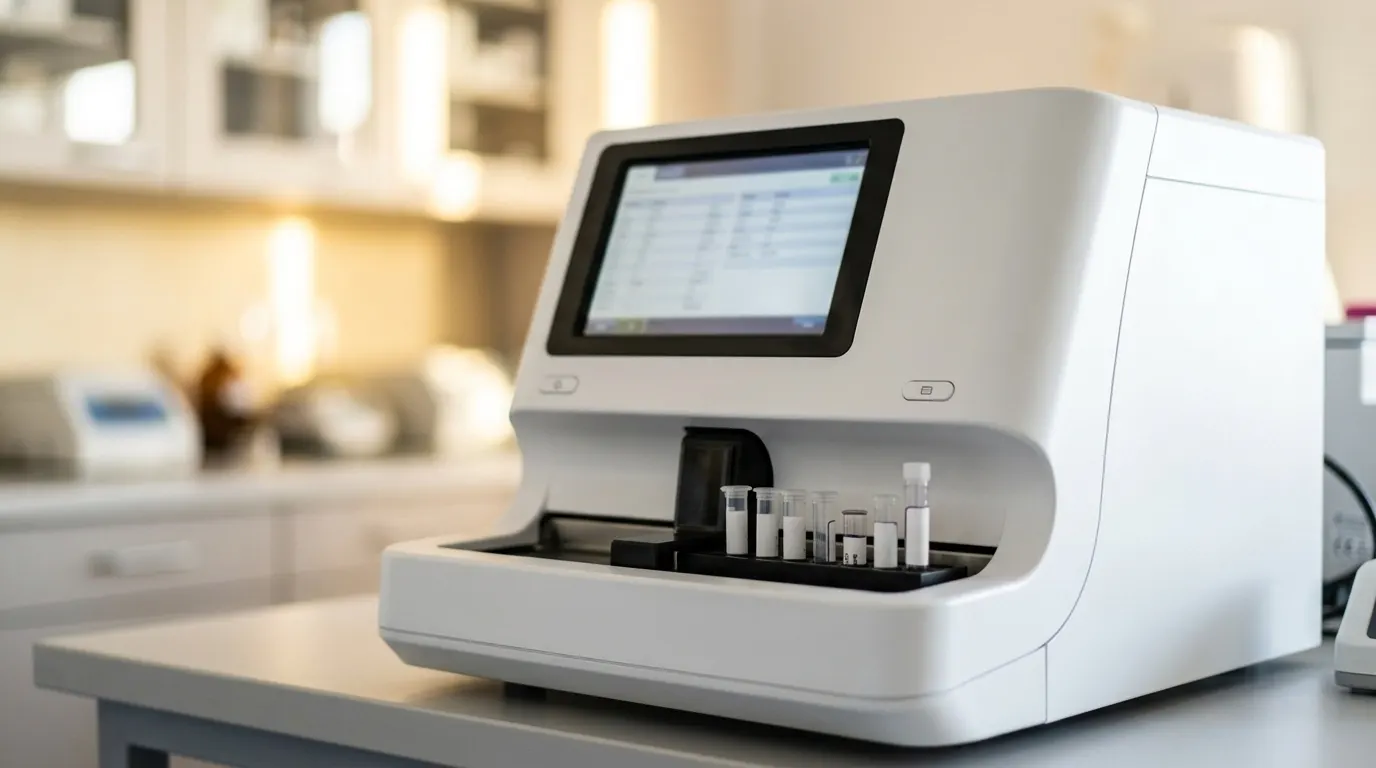 Laboratory
Haematology and biochemistry analysers, urinalysis, a microscope for cytology — critical values are available within minutes.
View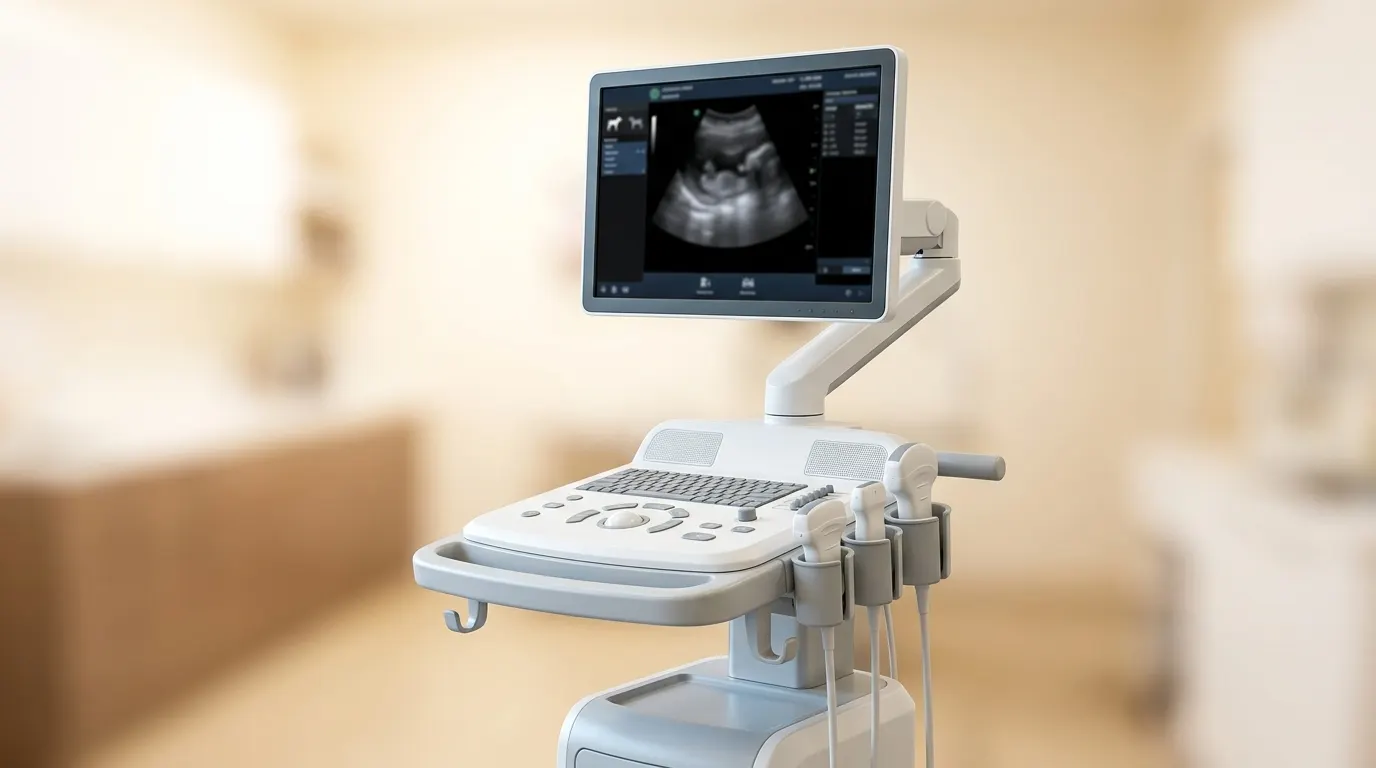 Imaging
An ultrasound machine with probes for examining the abdomen, chest, heart (echocardiography) and superficial tissues.
View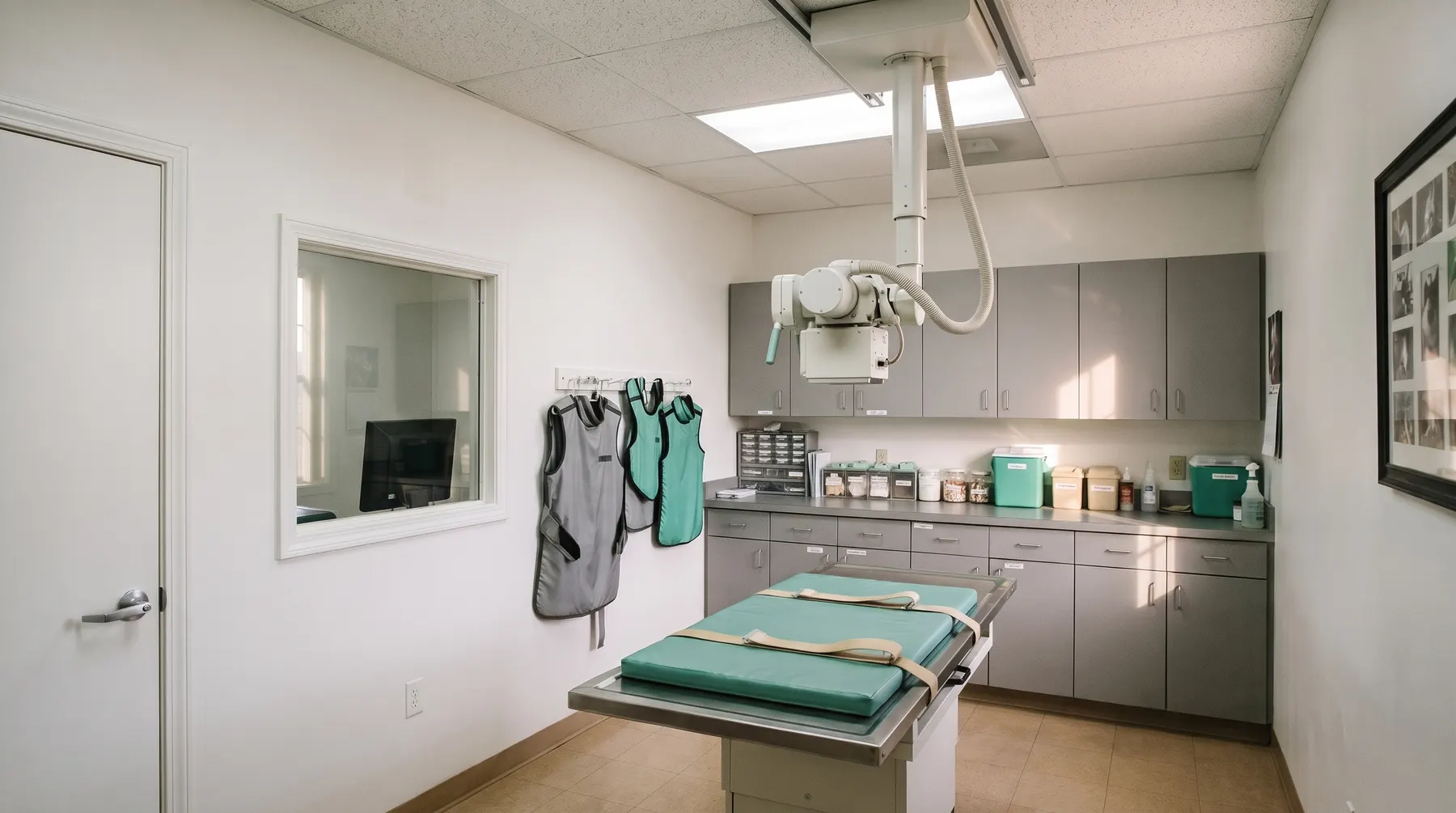 Imaging
A digital X-ray unit — the image is ready in a dozen or so seconds, with no film processing, and can be processed digitally and sent to the referring veterinarian.
View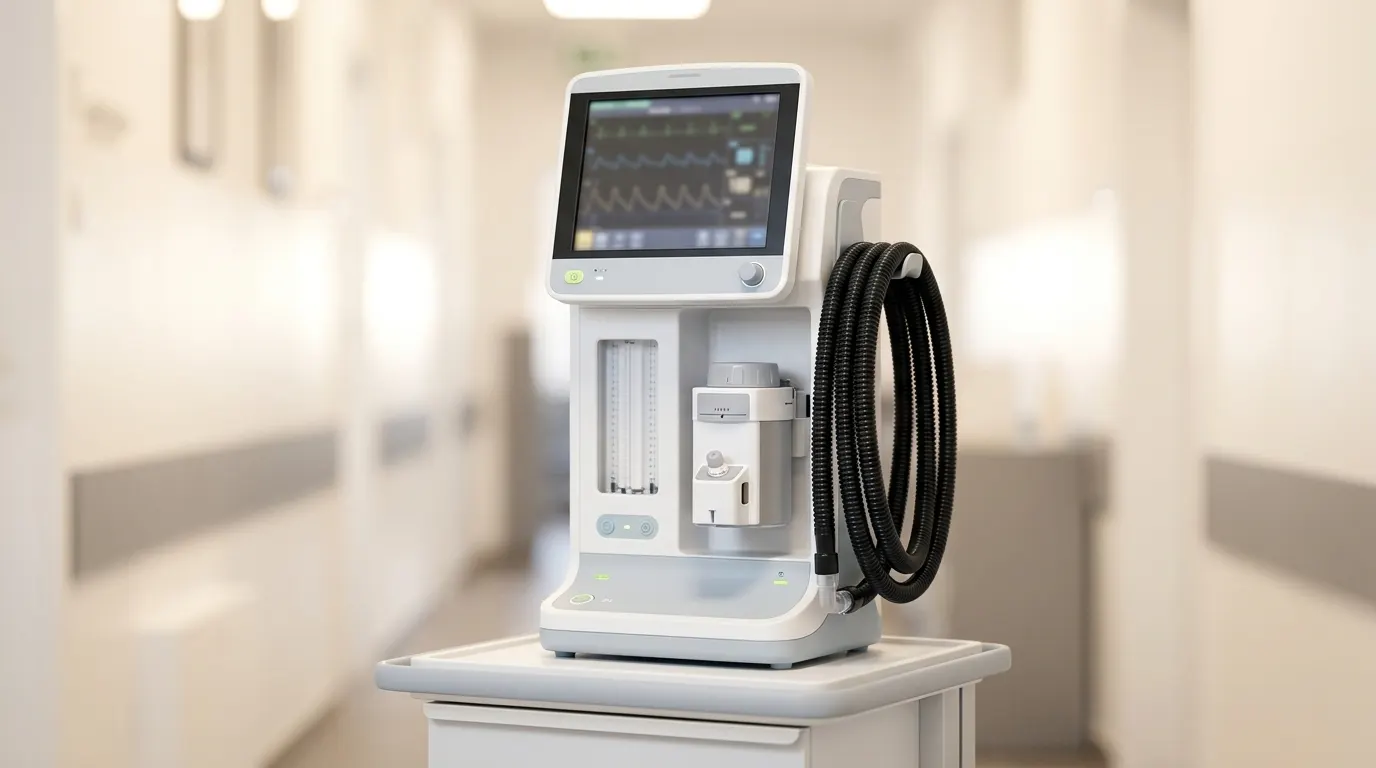 Anaesthesiology
An inhalation anaesthesia machine with a ventilator and a vital signs monitor: ECG, saturation, capnography, blood pressure, temperature.
View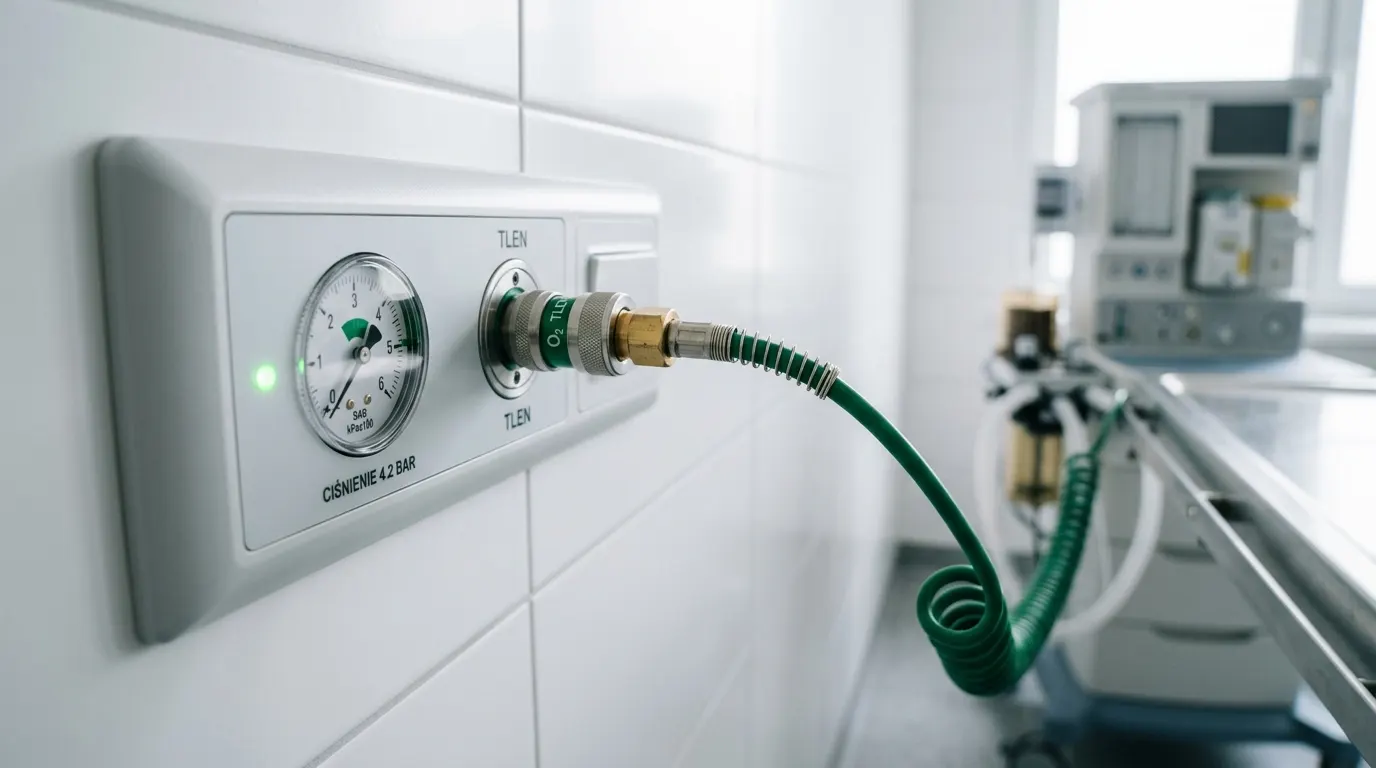 Medical infrastructure
A permanent piped installation distributing medical oxygen from a central source to outlets in both operating theatres.
ViewPrevention and general medicine are handled by all of the practice's veterinarians.
Yes, please call us on 74 660 62 68. That way you avoid waiting, and we reserve time for an unhurried examination. In emergencies during opening hours we see patients without a referral — please call before you set off.
Full protection comes with the last dose of the course, at around 16 weeks of age. Before then you can carry the puppy in your arms and allow brief contact with others in a safe environment — socialisation is as important as immunity.
As standard, every 3 months. An alternative is a faecal test every 3 months and giving the medication only if the result is positive — a solution particularly recommended for animals that do not go outdoors.
It is a single puncture with a thicker needle — most animals react as they would to an injection. For very anxious animals we can combine microchipping with another procedure under sedation.
There is no single cut-off — it depends on the size of the dog. However, we recommend the first geriatric check-up from the age of 5: in large-breed dogs, as in cats and small-breed dogs.
Reception will assess your enquiry and book an appointment with the right veterinarian.