The whole team
of technicians
of technicians
In-patient hospital and emergencies
Veterinary technician team
The in-patient hospital and the care of hospitalised patients are handled by the veterinary technician team.
Hospitalisation with an observation chart, intensive fluid therapy, post-operative care — during the practice’s opening hours, with clear patient statuses.
We manage every case individually — the scope, indications and course described above are indicative; the exact diagnostic and treatment plan is agreed during the consultation.
A stay in the practice's in-patient hospital with an individual observation chart: measurements at set intervals, drips delivered by infusion pumps, oxygen, an on-site laboratory and a daily conversation with the owner.
Intravenous drips delivered by pump, correction of electrolytes and glucose, and oxygen therapy for patients who are dehydrated, in shock or short of breath. During opening hours; call before you set off.
Supervised recovery in a heated kennel, monitoring of temperature and of pain using a scale, the first feed, and discharge with written instructions. Care from the moment the gas anaesthetic is switched off until the animal is handed back to the owner.
During opening hours we see emergencies out of turn: call before you set off and the team will prepare a treatment area. Triage, stabilisation, diagnostics and an in-patient hospital on site. We are not open at night.
Mon–Fri 9–19, Sat 9–13 · tel. +48 74 660 62 68. Outside opening hours, on Sundays and on public holidays, the nearest 24-hour animal hospitals are SKVet Klinika Weterynaryjna (ul. Stabłowicka 109b, Wrocław, tel. 791 998 999) and Klinika Psa i Kota (ul. B. Krzywoustego 105/22, 51-166 Wrocław, tel. 71 339 82 48).
Each item has its own page: what it is, what it is used for and what it offers the animal.
 Hospitalisation
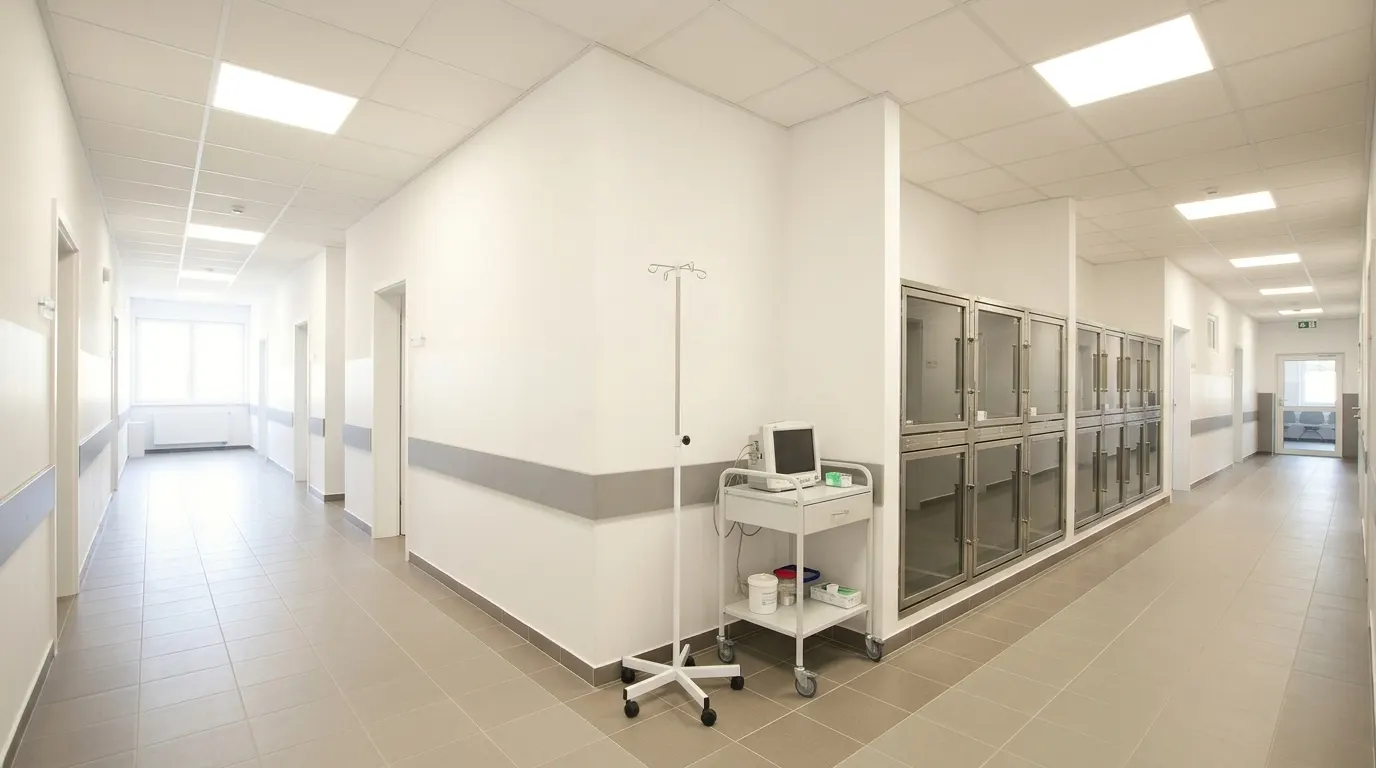
Separate stations for dogs and cats, infusion pumps, oxygen therapy, an observation chart with parameters at fixed intervals.
View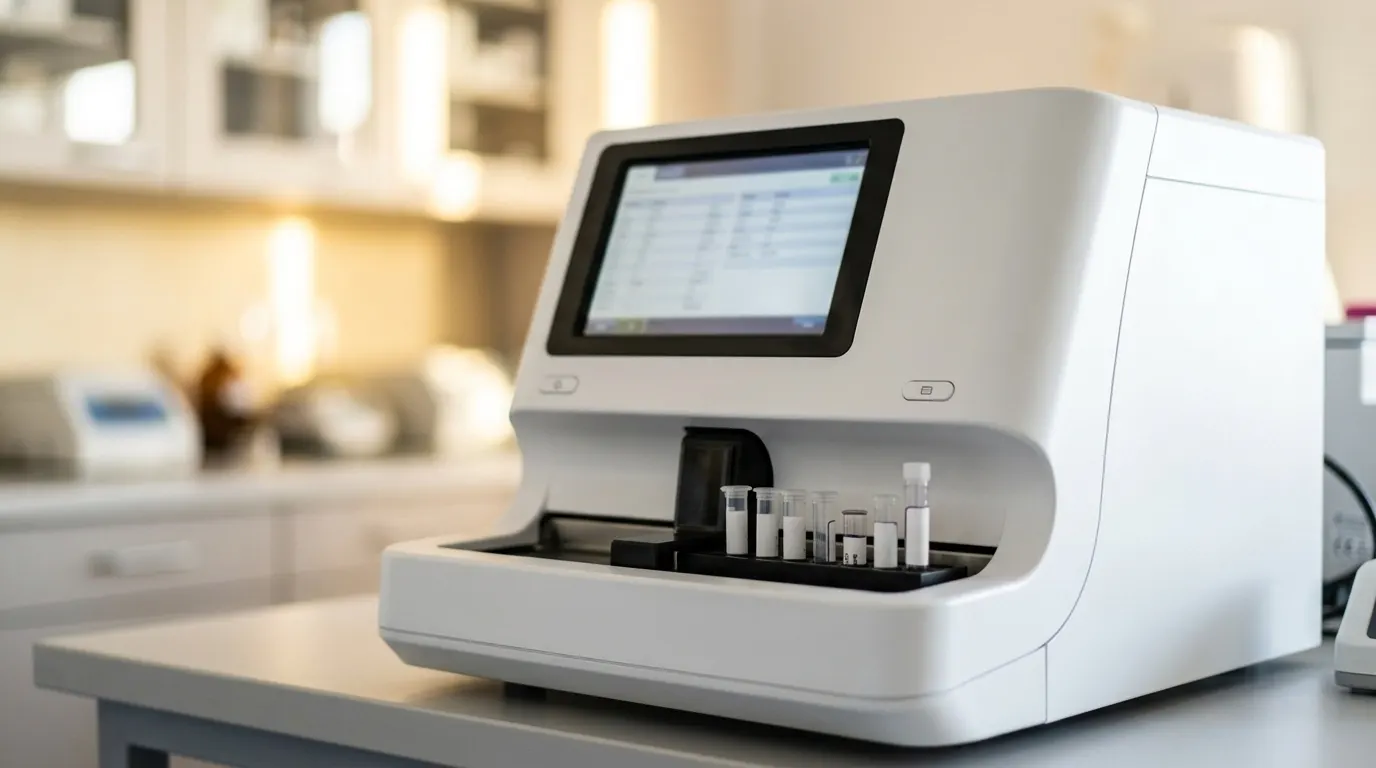 Laboratory
Haematology and biochemistry analysers, urinalysis, a microscope for cytology — critical values are available within minutes.
View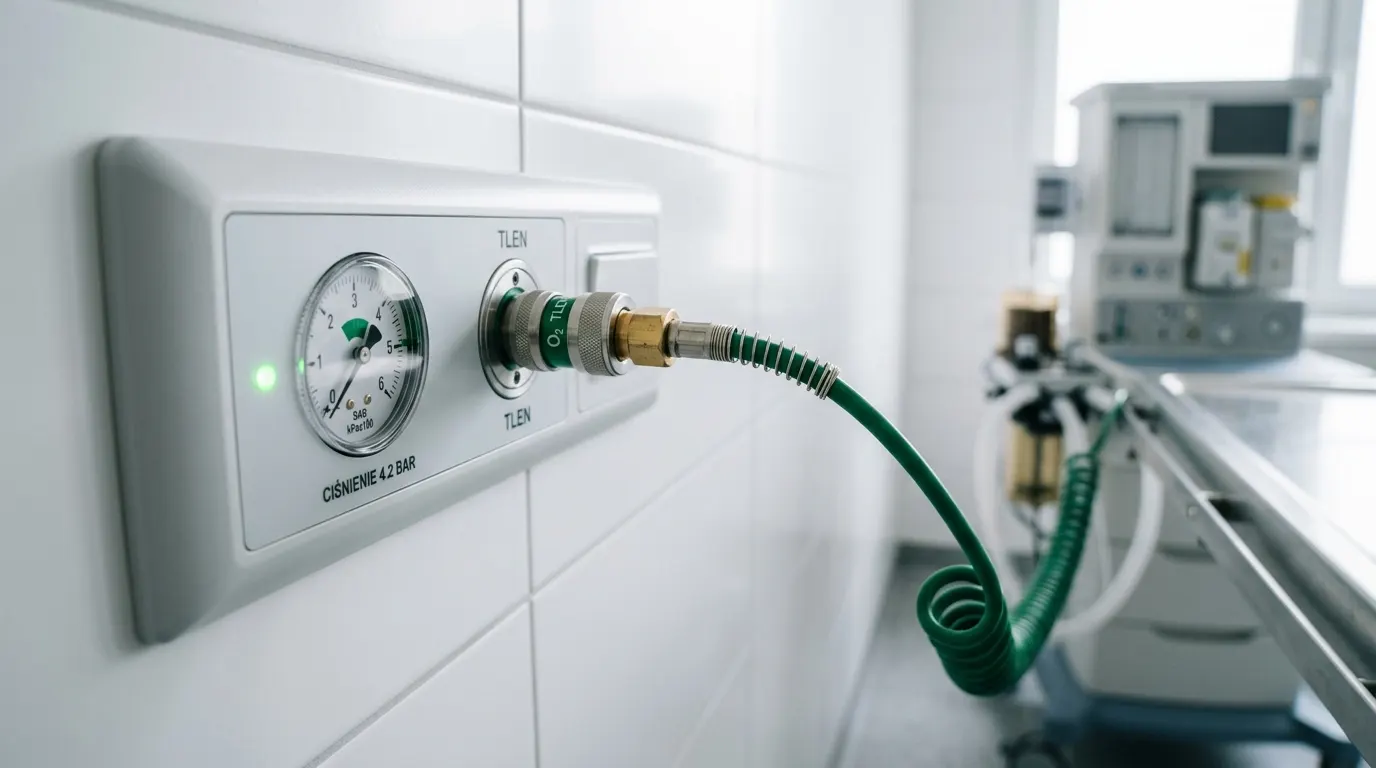 Medical infrastructure
A permanent piped installation distributing medical oxygen from a central source to outlets in both operating theatres.
View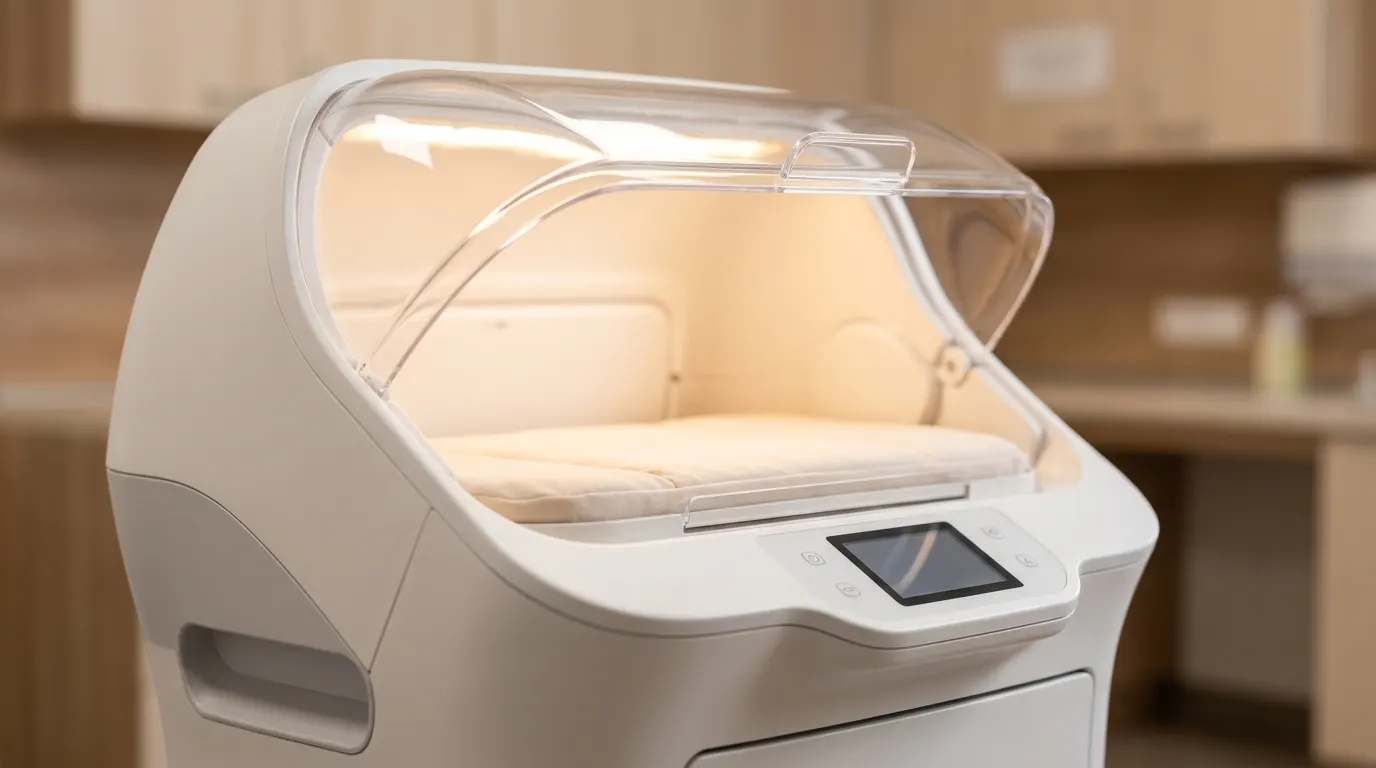 Hospitalisation
A chamber with controlled temperature, humidity and oxygen supply for newborns, patients with hypothermia and patients in a serious condition.
View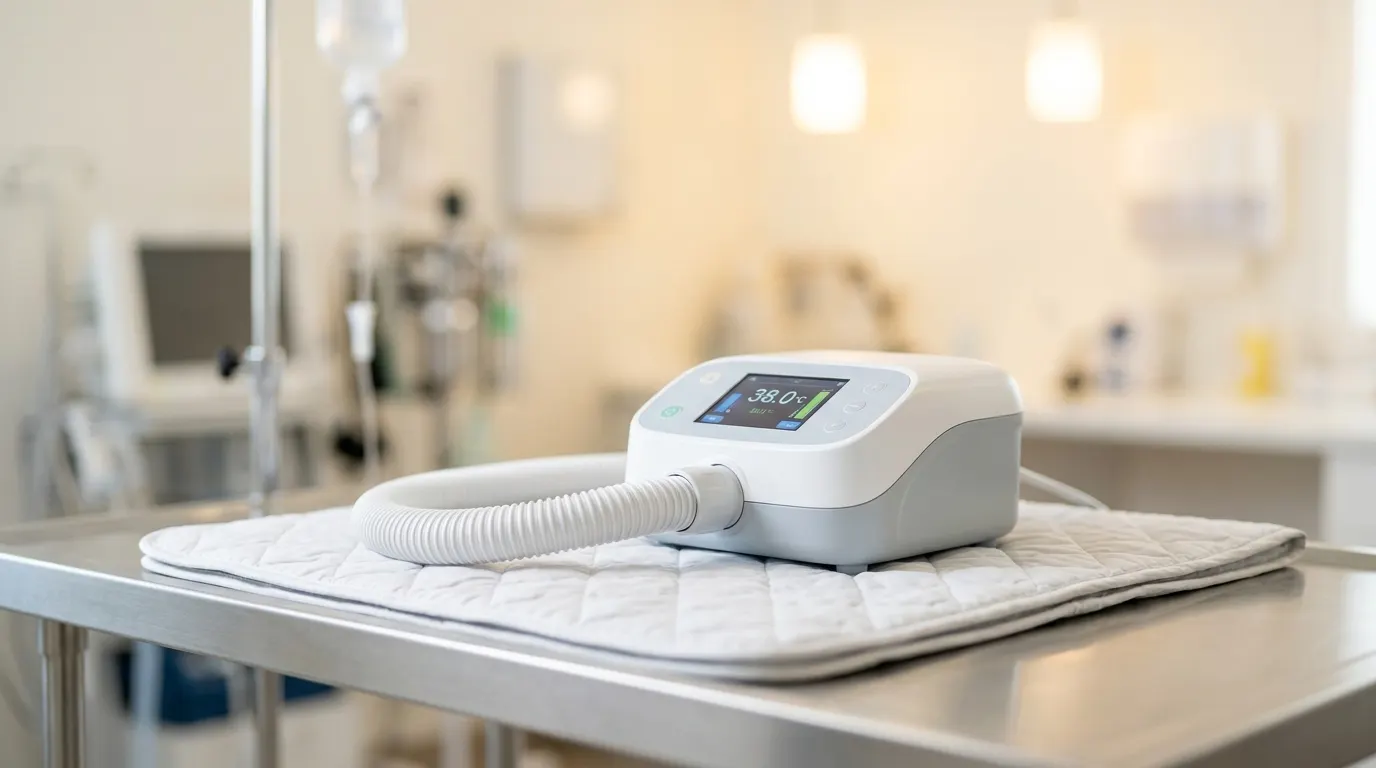 Anaesthesiology
Active warming of the patient during the procedure and recovery — preventing hypothermia, the most common complication of anaesthesia.
View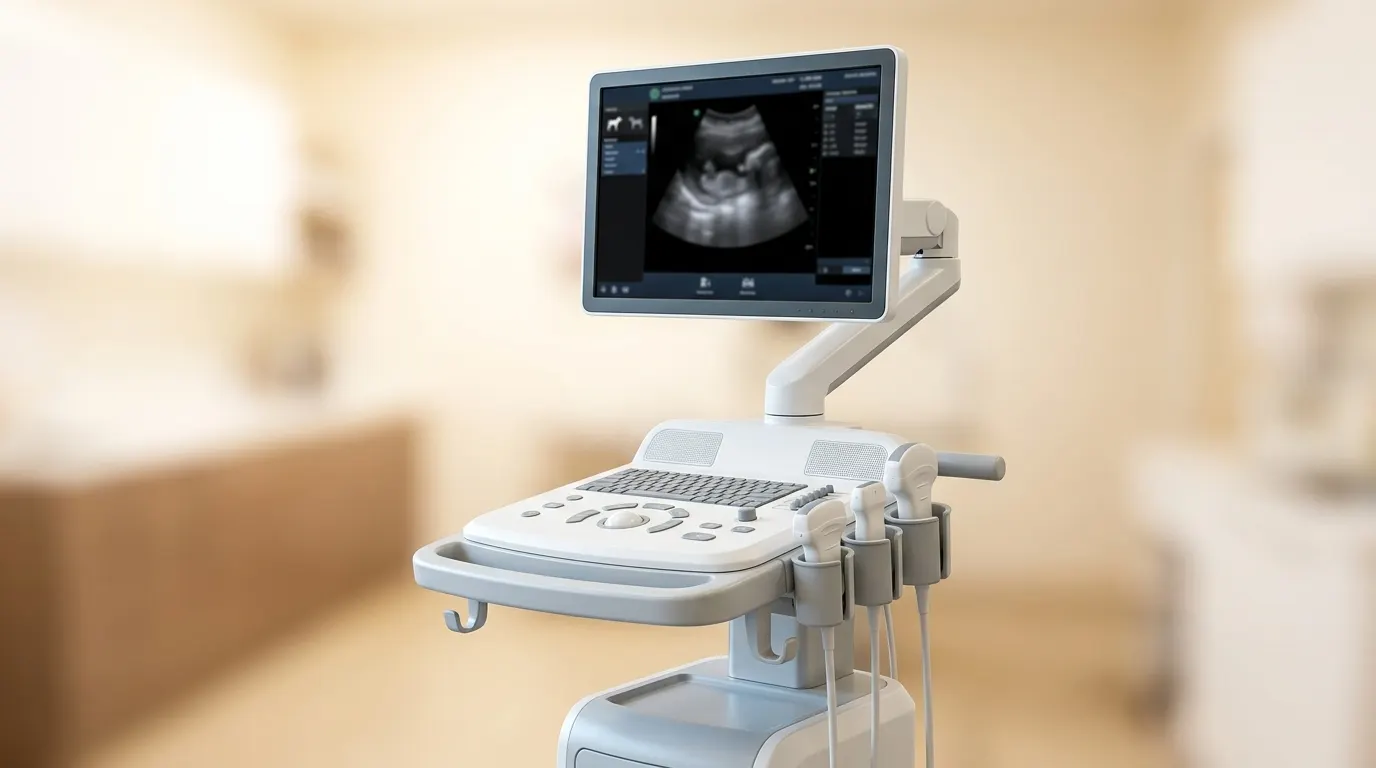 Imaging
An ultrasound machine with probes for examining the abdomen, chest, heart (echocardiography) and superficial tissues.
View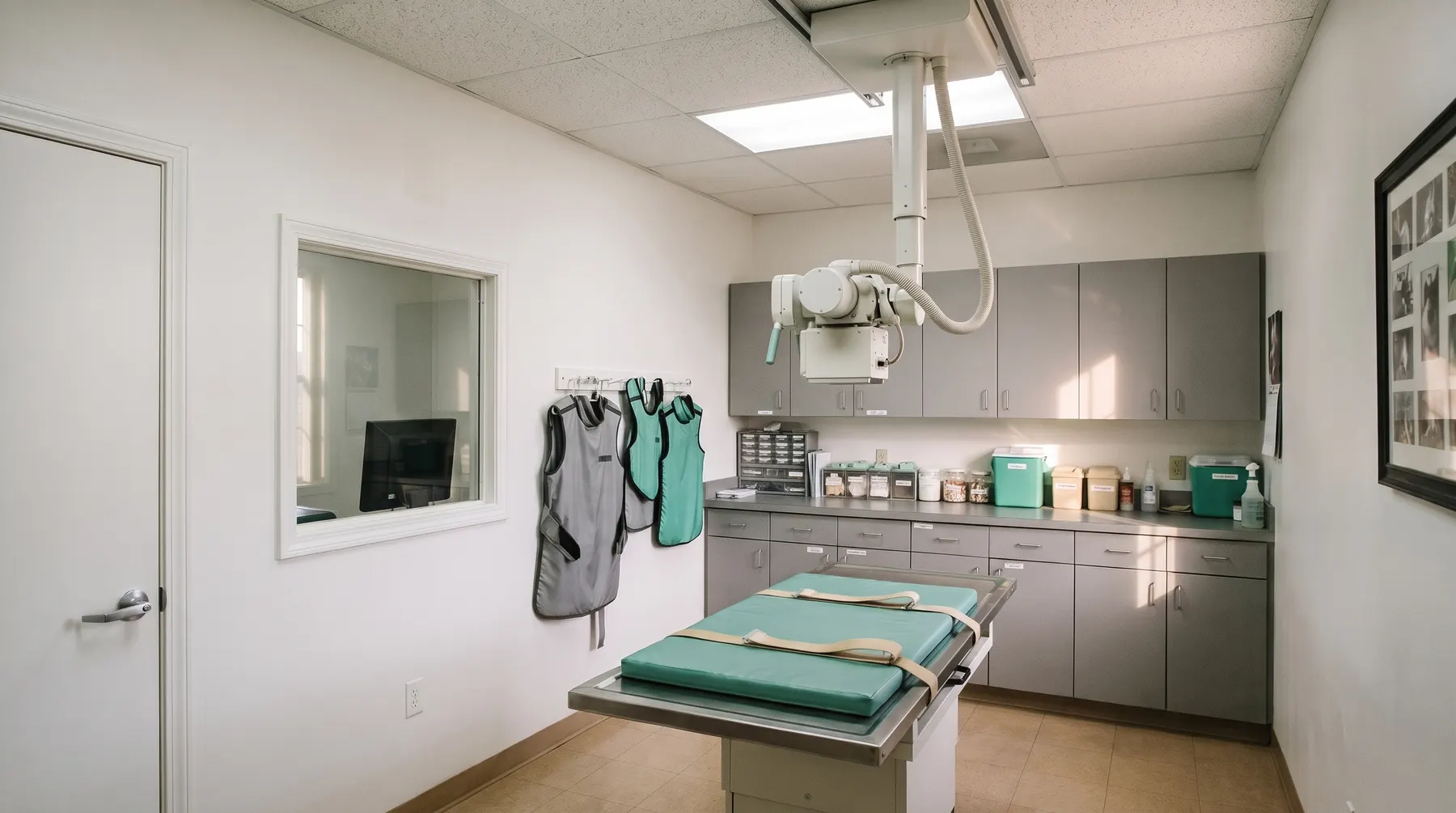 Imaging
A digital X-ray unit — the image is ready in a dozen or so seconds, with no film processing, and can be processed digitally and sent to the referring veterinarian.
ViewThe in-patient hospital and the care of hospitalised patients are handled by the veterinary technician team.
We do not provide a regular overnight service. The lead veterinarian decides how a patient is looked after overnight: some patients go home for the night with a plan, and patients who need continuous care are referred to a 24-hour animal hospital. We always discuss this openly at admission.
For mild dehydration in a stable patient, yes, and we often use it for treatment at home. In shock, with vomiting or with severe dehydration, subcutaneous fluids are absorbed too slowly and the intravenous route is necessary.
After minor procedures, usually 2–4 hours after they finish; after major operations, in the afternoon or the next day. We will phone you when the patient is stable, walking and has a pain score within the normal range.
Yes, please, even from the road. This lets us prepare oxygen, fluids and the team, and we can often advise how to transport the animal safely or what to do straight away, for example in the case of poisoning.
Reception will assess your enquiry and book an appointment with the right veterinarian.