
Home/Specialties/Laboratory
Specialty

Laboratory diagnostics

Blood count, biochemistry, urinalysis, cytology and PCR — urgent results in minutes, not days.

5 examinations and procedures1 items of equipment
Conditions and symptoms within our scope

What patients come to us with

Anaemiaa low red blood cell count; a blood count with a smear will show whether it is due to blood loss, haemolysis (for example babesiosis) or a bone marrow problem.
Chronic kidney diseaseraised creatinine, urea, SDMA and phosphorus.
Liver diseaseraised liver enzymes, bilirubin and bile acids.
Diabetesraised glucose and fructosamine.
Pancreatitisa specific pancreatic lipase test.
Inflammation and infectionschanges in the number and appearance of white blood cells.
Electrolyte disturbancesin vomiting, diarrhoea and Addison's disease.
Cystitisbacteria and leucocytes in the sediment; a culture will indicate the appropriate antibiotic.
Feline idiopathic cystitisblood without bacteria; it requires different treatment from an infection.
Urolithiasisstruvite or oxalate crystals in the sediment guide the diet and the decision on surgery.
Chronic kidney diseaselow specific gravity and proteinuria, even when creatinine is normal.
Diabetesglucose in the urine and, when there are complications, ketone bodies as well.
Equipment and procedures we rely on

Facilities for this specialty

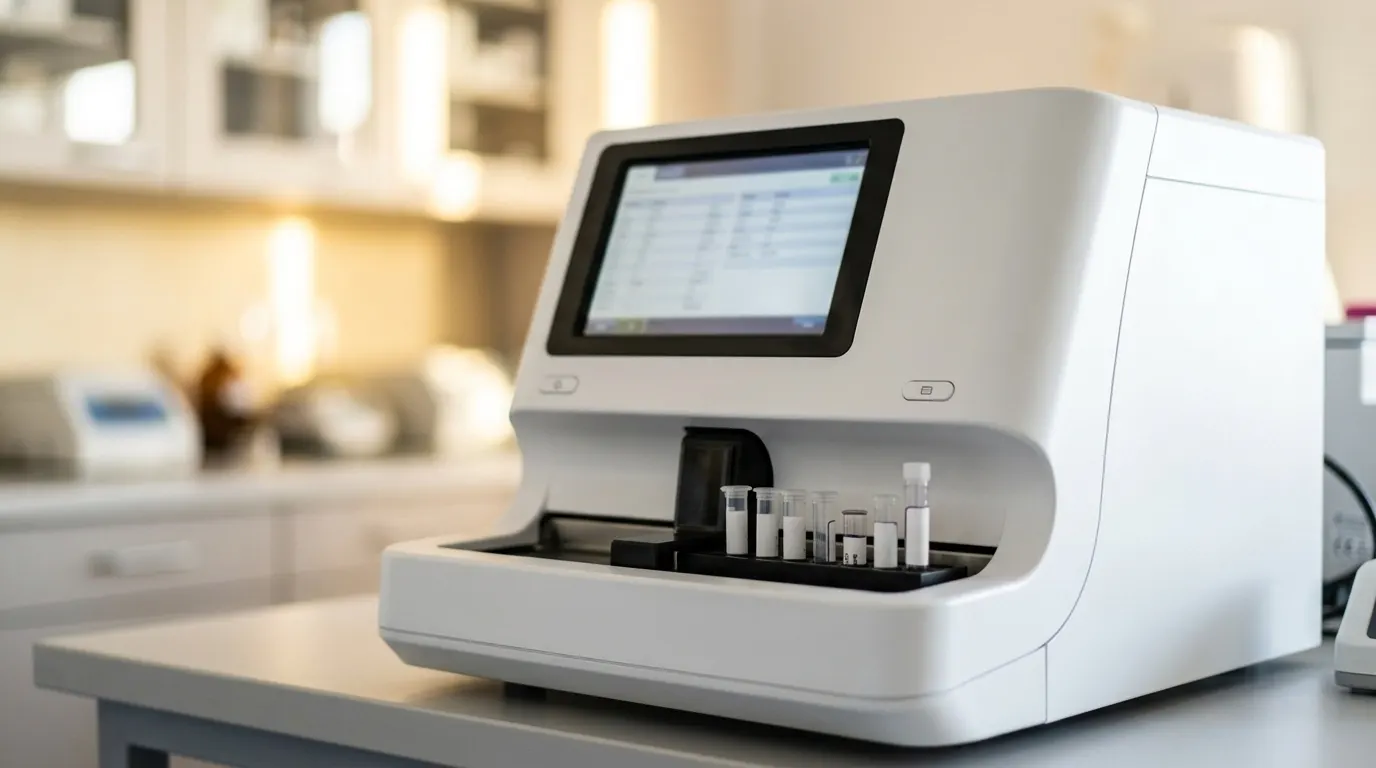
Each item has its own page: what it is, what it is used for and what it offers the animal.

Lead veterinarian for the specialty

Who manages the patients’ care

Profile photo
plain background
Lead veterinarian · oncology, dermatology, laboratory

Mateusz Podgórski, DVM

He leads diagnosis and treatment of oncology patients, from cytology and staging of the disease to a treatment plan agreed with the owner. Dermatology and laboratory diagnostics are his strong suit: he performs cytological examinations in the practice’s laboratory. He has a detective’s instinct: in his head he follows many threads at once, from laboratory results to the patient’s behaviour, and ties them together. He is a perceptive, experienced and dedicated doctor who can solve difficult diagnostic puzzles.

Profile photo
plain background
Veterinary technician · anaesthesia, in-patient hospital and nutrition

Klaudia Gawart, veterinary technician

Provides anaesthesia and intravenous analgesia for dogs and cats during soft-tissue and hard-tissue surgery. Cares for hospitalised patients. Sees patients for dietary consultations, both healthy animals and those with specific conditions, to put together a home-cooked/BARF diet, and also helps owners choose a commercial diet. Calibrates the laboratory equipment.

See the whole team
Frequently asked questions

Owners’ questions

Does the animal need to fast?

For planned tests, yes: 8–12 hours without food. Puppies, kittens and animals with diabetes have different instructions, which we agree by phone. In emergencies we test without fasting.

How long can a urine sample wait before testing?

It is best to bring it in within 2 hours; in a refrigerator the sample remains usable for up to 6 hours. Older urine gives false sediment and pH results.

How does PCR differ from a rapid test?

A rapid test detects an antigen or antibodies within 10–20 minutes, but it can be less sensitive or positive after vaccination. PCR detects the pathogen's DNA/RNA. It is more accurate, but it requires sending the sample away and takes a few days.

Does a dog need to fast for a thyroid test?

We recommend fasting for 8–12 hours, because we run blood biochemistry at the same time. If the dog is already taking thyroid tablets, we plan the blood sample 4–6 hours after the dose.

How much faeces is needed, and from how many days?

Ideally a small portion from each of 3 consecutive days, collected into one container and kept in the refrigerator. For a giardia or parvovirus test alone, one fresh sample is enough.

Start with a conversation.

Reception will assess your enquiry and book an appointment with the right veterinarian.

This page is a translation of the Polish original. In case of doubt, the Polish version prevails. Polski